Senegal rejects western influence on homosexuality laws
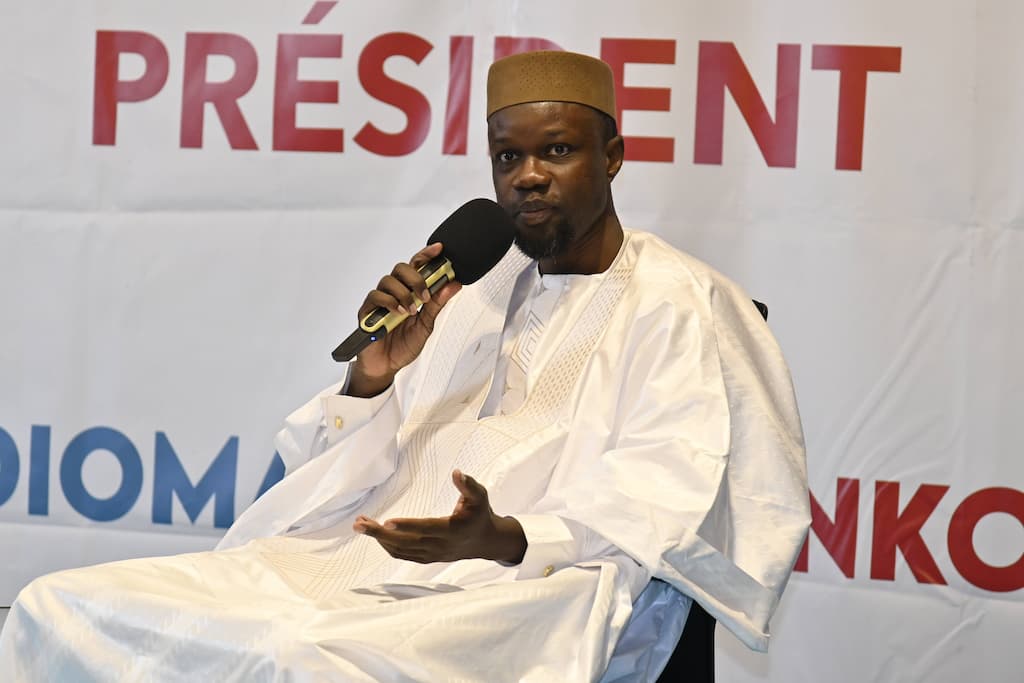
Dakar — The Senegalese government has taken a firm stance against what it calls western pressure to normalize homosexuality. Speaking before parliament on May 22, Prime Minister Ousmane Sonko condemned attempts by western nations to impose their cultural values on African societies.
This declaration follows the recent amendment of Senegal’s penal code, which now imposes significantly harsher penalties for same-sex relationships. Under the updated legislation, individuals convicted of homosexuality-related offenses could face prison sentences ranging from five to ten years. The law was signed by President Bassirou Diomaye Faye on March 31, reflecting growing concerns within the country over LGBTQ+ rights.
Sonko criticizes western double standards
During his address, Prime Minister Sonko described western attempts to promote homosexuality in Africa as a form of cultural imperialism. He argued that a small group of western nations, led by France, were using their global influence to dictate moral standards to the rest of the world. “They try to impose their will through their media and political leverage,” Sonko stated, adding, “We will not accept their lessons.”
He further emphasized that Senegal would not entertain any discussion of a moratorium on the enforcement of the new law, despite international criticism. “If the law requires strengthening, it will be strengthened,” he declared in a clear message to detractors.
National sovereignty vs. foreign interference
The Senegalese government’s position highlights a growing divide between African nations and western countries on issues of human rights and cultural identity. While western governments and human rights organizations have raised concerns over the criminalization of homosexuality, Senegalese officials insist that their laws reflect the values and beliefs of their society.
Prime Minister Sonko pointed out that many African, Asian, and Arab countries share similar stances on the issue, questioning why western nations are singled out for criticism. “Why is the focus only on us?” he asked, arguing that Senegal’s laws are a matter of national sovereignty rather than a violation of human rights.
The government’s unwavering stance underscores the challenges faced by African nations in balancing international relations with domestic cultural and religious values. As Senegal moves forward with the implementation of its updated laws, the debate over LGBTQ+ rights in Africa is likely to intensify.