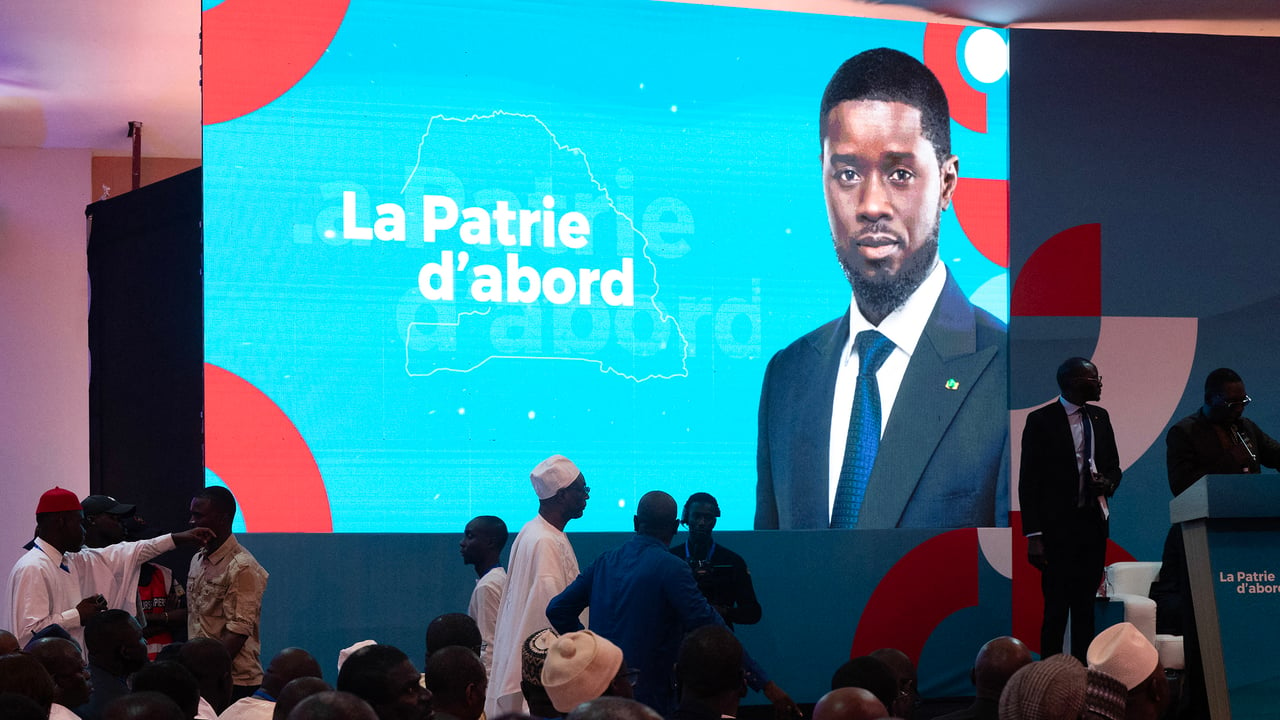
As Senegal gears up for its next major electoral cycle, questions are swirling around President Bassirou Diomaye Faye’s intentions regarding the January 2027 vote. Political observers and citizens alike are closely watching his administration’s moves, sparking debates about whether delays might be on the horizon.

Rising tensions and political maneuvering
Since assuming office, President Bassirou Diomaye Faye has navigated a complex political landscape, with his party, Kiiraay – Les Patriotes républicains, playing a central role in shaping national discourse. However, recent developments have fueled speculation about a potential postponement of the 2027 presidential elections. Critics argue that such a move could undermine democratic processes, while supporters suggest it may be necessary for stability.
Public statements from the administration have been carefully worded, avoiding direct confirmation or denial of election delays. Yet, the absence of a clear timeline for the vote has intensified discussions among political analysts and opposition figures, who demand transparency ahead of any decisions.
Public and institutional reactions
The debate has spilled into the streets, with Senegal’s civil society and legal experts weighing in on the constitutional implications. Some voices warn that altering the electoral calendar without robust justification could erode public trust in institutions. Meanwhile, pro-government factions emphasize the need to prioritize national unity and governance reforms before focusing on electoral logistics.
Legal experts point to Senegal’s electoral code, which stipulates strict deadlines for election preparations. Any deviation, they argue, must be justified by exceptional circumstances—such as security concerns or logistical challenges—to avoid legal challenges. The government’s silence on the matter has left room for interpretation, with both sides interpreting events through their own lenses.
What’s next for Senegal’s democracy?
As the countdown to January 2027 begins, the coming months will be critical in determining the direction of Senegal’s political future. Will the administration proceed with the elections as scheduled, or will circumstances prompt a delay? The answers may lie in the balance between political strategy and democratic integrity.
The situation remains fluid, with stakeholders from all sides closely monitoring developments. Whether through legislative action, public pressure, or behind-the-scenes negotiations, the decisions made in the near future will shape the trajectory of Senegal’s democracy for years to come.
Comments are closed, but trackbacks and pingbacks are open.