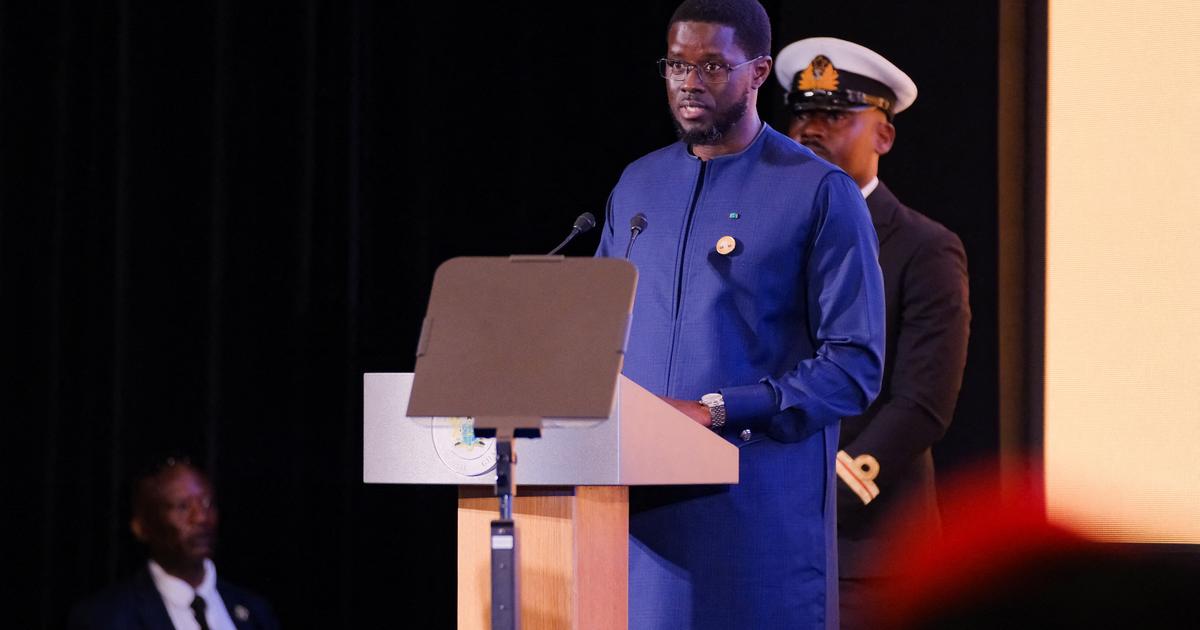
“Diomaye-Sonko, new season,” read the front-page headline on Tuesday, June 30, highlighting the tense relationship between President Bassirou Diomaye Faye and his former Prime Minister Ousmane Sonko. Dismissed from the prime minister’s office on May 22, Sonko rose to become president of the National Assembly just four days later.
A new season indeed, as two blocs now confront each other over a constitutional reform: the executive and the legislative branches. The press described it as a “clash of institutions.”
On June 29, the National Assembly — where the party of the African Patriots of Senegal for Work, Ethics and Fraternity (Pastef), led by Ousmane Sonko, holds 130 out of 165 seats — adopted a proposal for a constitutional revision. However, at the start of the debate, Justice Minister Me Moussa Sarr announced that its adoption would be subject to an upcoming referendum.
Transformation of the institutional architecture
The text is divisive. The government’s four proposed amendments were rejected by the law commission. The debate preceding the June 29 vote took place in a tense atmosphere, with opposition deputies walking out of the chamber in protest.
“This reform, driven by the majority that emerged from the
Comments are closed, but trackbacks and pingbacks are open.