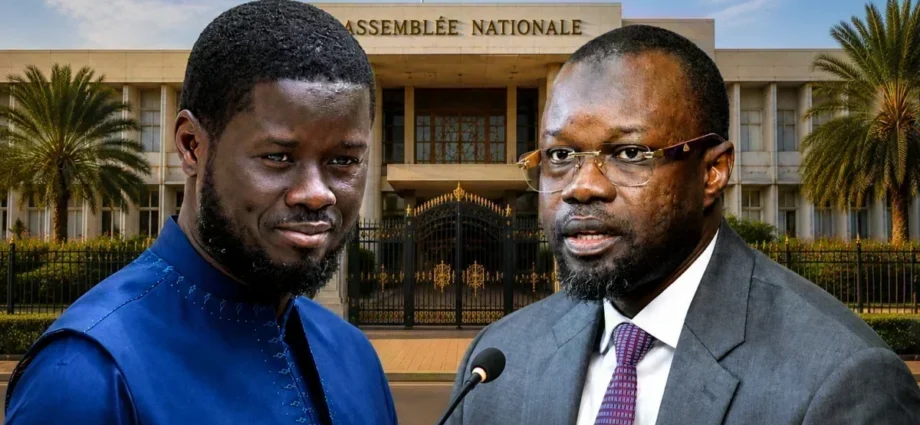
Confrontation escalates as key figure in land management investigation declines summons
Senior presidential counselor Demba Dieng has declined to appear before Senegal’s parliamentary inquiry into land management practices, according to a commission statement issued Thursday. The move intensifies scrutiny of President Bassirou Diomaye Faye’s administration amid broader questions about executive branch compliance with legislative procedures.
Demba Dieng, a former director of the National Land Registry, did not provide a stated reason for her refusal to comply with the parliamentary summons. Her case stands in contrast to two colonels from the DSCOS security service who cited military protocol to justify their non-appearance, sparking internal debate about the boundaries of institutional accountability.
The incident raises immediate concerns about whether the administration is actively discouraging cooperation with legislative oversight. Political observers suggest that presidential staff may require explicit authorization from the head of state to testify—a claim that remains unverified, as no official guidance has been issued by the presidency.
Silence from the presidency amid rising refusal wave
The administration has not commented on the matter, leaving unanswered whether Demba Dieng acted independently or under directive. Former Higher Education Minister Daouda Ngom has publicly stated his intention to comply with his summons, claiming six current and former ministers have refused to appear—though their identities remain unverified. The commission has not confirmed these assertions.
Key uncertainties persist: the number of refusals, their legal justification, and the commission’s next steps. Officials have emphasized that each summoned individual is presumed innocent and that non-compliance does not prejudice the investigation. The coming days will reveal whether resistance to parliamentary oversight hardens or dissipates across government circles.
What comes next for the land commission inquiry?
The parliamentary commission has reaffirmed its commitment to proceed with investigations within its constitutional mandate. While refusals to testify remain legally permissible under current Senegalese law, they risk deepening inter-institutional tensions. Analysts warn that further defiance could erode public confidence in the separation of powers, particularly if the motivations behind non-compliance remain unexplained.
The absence of transparency from both the presidency and summoned officials leaves critical questions unresolved. As the standoff continues, all eyes will be on how the assembly responds—and whether the case of Demba Dieng becomes the first domino in a broader institutional crisis.
Comments are closed, but trackbacks and pingbacks are open.