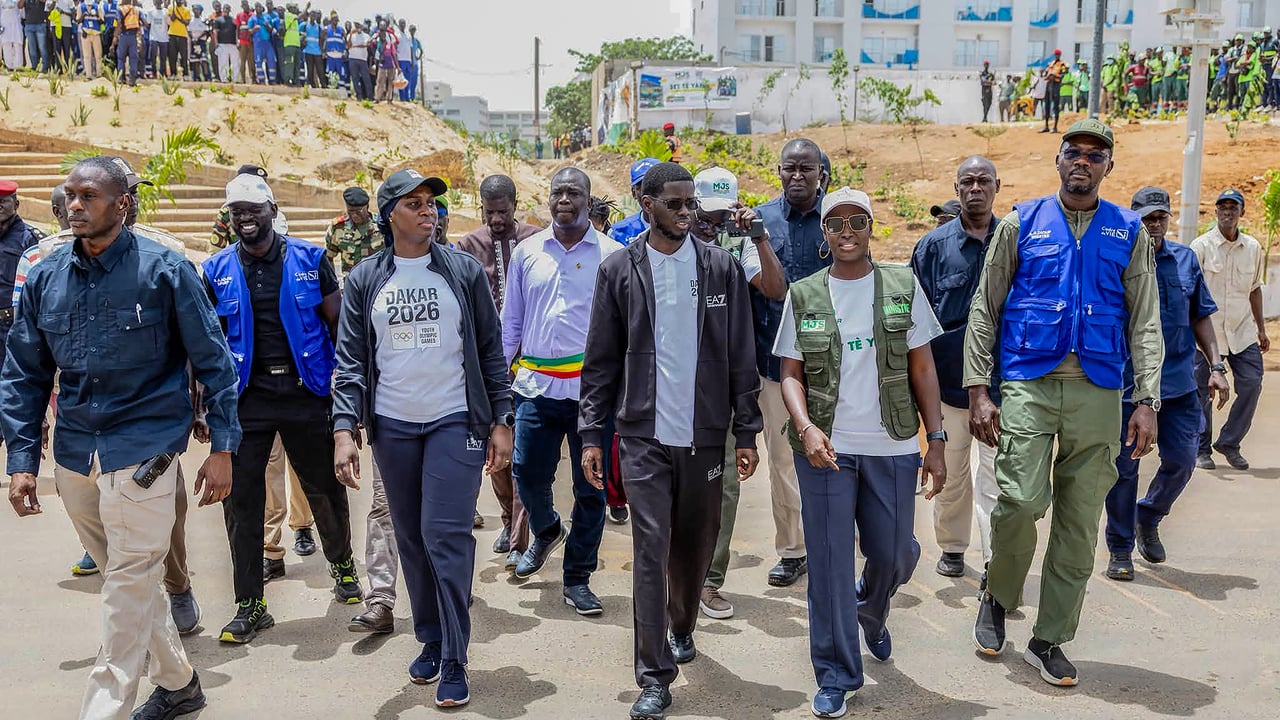
As the January 2027 deadline for Senegal’s local elections looms, President Bassirou Diomaye Faye’s persistent silence on the issue is triggering a wave of reactions across the nation. Critics accuse him of political brinkmanship, while supporters argue the delay may be a calculated move to strengthen democratic foundations. With no date announced, households, businesses, and local governments brace for the consequences of a prolonged election limbo.
Why Senegal’s local elections are becoming a flashpoint
The looming silence about the upcoming local elections has shifted from a footnote in political discourse to a central talking point. Traditionally held to foster decentralization, local elections are seen as a barometer of Senegal’s democratic health. By refusing to set a date, President Faye has transformed these elections into a symbol of uncertainty, with critics warning of eroding trust in institutions and supporters insisting on the need for careful preparation.
In Dakar, community leaders express frustration over stalled municipal projects, while opposition figures frame the delay as a power play. The absence of a clear electoral calendar is no longer just a logistical issue—it’s a political dilemma reshaping alliances and fueling speculation about the government’s long-term agenda.
Political fallout: voices from across the spectrum
Across Senegal’s political spectrum, reactions to the delay reveal deep divides:
- Opposition coalitions: Accusing the government of overreach, they demand an immediate announcement to prevent institutional drift. Activists warn that prolonged uncertainty could undermine public confidence in elections as a whole.
- Ruling party loyalists: Defend the delay as a pragmatic step, citing the need to address technical and logistical challenges. Some argue that a rushed election risks repeating past controversies.
- Civil society groups: Call for transparency, arguing that uncertainty paralyzes local governments and stifles grassroots development initiatives.
- Independent analysts: Point to historical precedents where delayed elections led to instability, urging caution and dialogue with all stakeholders.
The economic cost of election limbo
The prolonged uncertainty isn’t just a political issue—it’s a financial one. Mayors and local officials report frozen budgets, stalled infrastructure projects, and hesitation from investors awaiting clear project timelines. In regions like Thiès and Saint-Louis, small businesses relying on municipal contracts face cash flow challenges, while rural communities worry about delayed funding for healthcare and education.
Economic experts warn that if the deadlock persists, it could trigger a ripple effect: reduced investor confidence, sluggish growth, and deeper socioeconomic divides. The longer the wait, the harder it becomes for local governments to plan, operate, or deliver services to citizens.
The clock is ticking: what comes next?
With January 2027 inching closer, pressure on President Faye to act is intensifying. Possible paths forward include:
- Announcing a provisional timeline: Appeasing critics while maintaining flexibility for adjustments.
- Launching a national dialogue: Involving opposition, civil society, and local leaders to build consensus on an electoral roadmap.
- Clarifying the government’s stance: Addressing concerns over motivations—whether technical, political, or a blend of both.
Meanwhile, Senegal’s political future remains suspended in a haze of speculation. Will the president’s strategy be seen as a masterstroke of governance, or a gamble that risks destabilizing the nation’s democratic progress? Only time will tell—but the stakes could not be higher.
Comments are closed, but trackbacks and pingbacks are open.