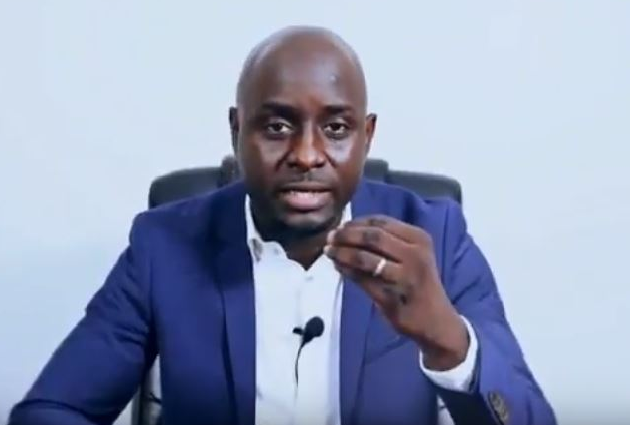
Demanding clarity on the IMF’s terms for Senegal
Senegal’s ongoing negotiations with the International Monetary Fund (IMF) have reignited political scrutiny, with civil society and opposition figures calling for full disclosure of the agreement’s conditions. Thierno Bocoum, leader of the Agir-Les Leaders movement, has urged the government to make the economic and financial policy memorandum publicly available—or at least submit it to the National Assembly for thorough debate.
Bocoum’s demands go beyond transparency; they target the very foundations of the country’s debt management strategies. He argues that past decisions by key political figures have played a pivotal role in the current fiscal challenges facing Senegal.
Ousmane Sonko’s role under scrutiny
As Prime Minister from April 2, 2024, to May 22, 2026, Ousmane Sonko has come under sharp criticism for his involvement in negotiations that preceded the suspension of Senegal’s previous IMF program. Bocoum alleges that Sonko’s administration contributed to the crisis by failing to address irregularities in debt reporting, which were first exposed in September 2024. These alleged anomalies, he contends, not only disrupted the IMF’s confidence but also worsened the country’s financial standing.
Additionally, Bocoum highlights the government’s reliance on regional market financing at rates far exceeding those of concessionary loans, further straining Senegal’s debt sustainability.
Abdourahmane Sarr’s shifting stance
Former Minister of Economy, Planning, and Cooperation Abdourahmane Sarr has also faced scrutiny for his evolving public statements on Senegal’s debt situation. Bocoum points out that Sarr once championed the viability of the country’s debt trajectory, emphasizing fiscal credibility. However, recent remarks from Sarr indicate a shift, acknowledging the need for corrective measures to restore debt sustainability—implying past oversights.
Bocoum’s remarks underscore a broader demand for accountability among policymakers who shaped Senegal’s economic decisions, particularly those tied to the IMF negotiations.
A breakthrough in IMF talks
The call for transparency coincides with a significant milestone in Senegal’s discussions with the IMF. A new technical agreement has been reached, outlining a fresh economic and financial program aimed at stabilizing the country’s fiscal position. However, without public access to the agreement’s specifics, concerns persist about the long-term impact on Senegal’s economic sovereignty and social stability.
Comments are closed, but trackbacks and pingbacks are open.