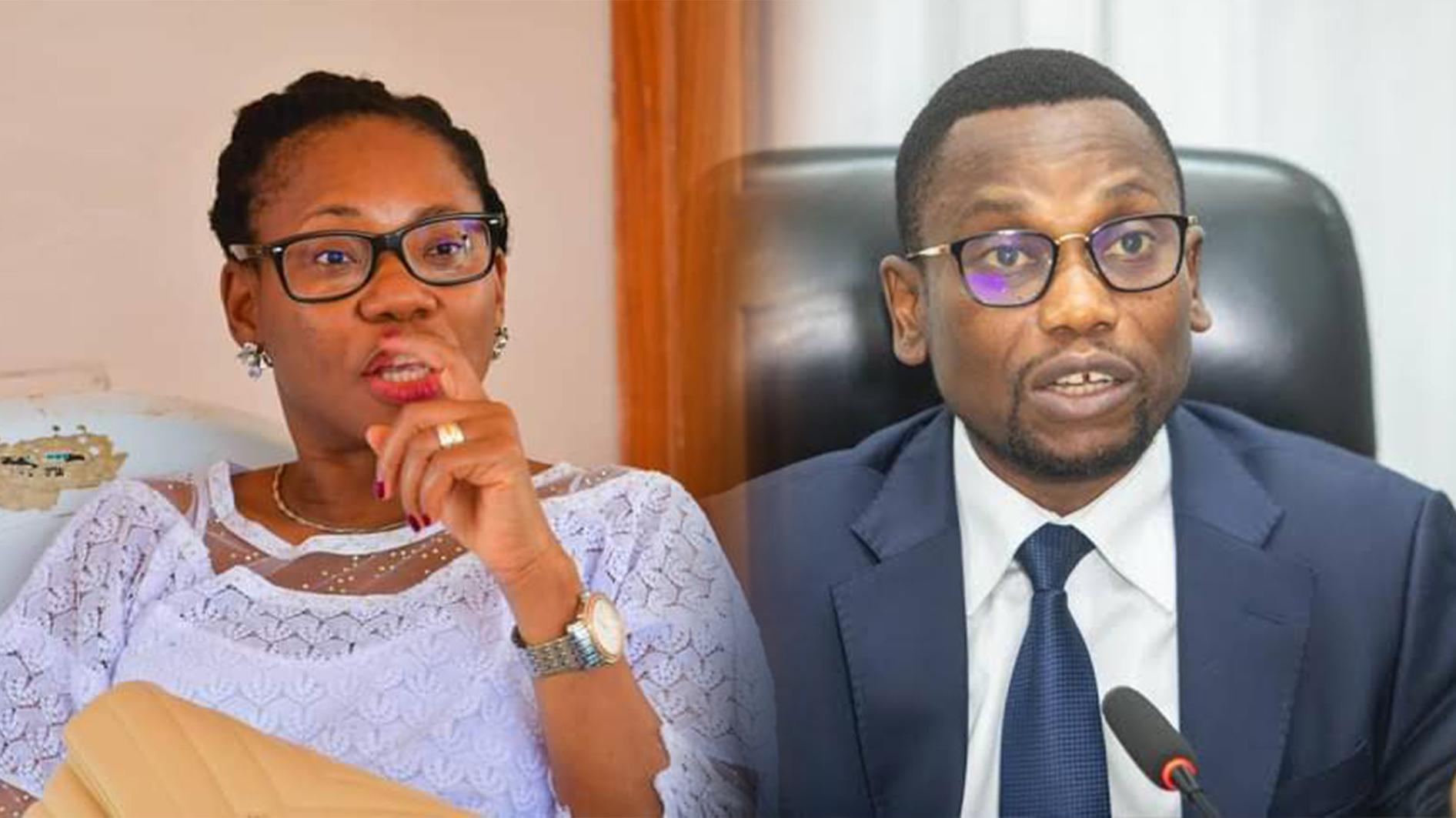
In a decisive move to reshape the educational landscape, the Bénin government has greenlit a sweeping set of reforms aimed at fostering inclusivity and modernising the nation’s learning ecosystem. Approved during a recent Council of Ministers session, these measures span from primary education to higher learning, backed by a substantial investment of nearly 30 billion West African CFA francs.
The initiative underscores a bold commitment to equitable access and improved learning conditions, particularly for marginalised groups and technical education pathways. As the 2026-2027 academic year approaches, the government is rolling out a multi-faceted strategy to address longstanding challenges in the sector.
Primary education: Expanding school feeding programmes to reach half a million more children
The iconic school feeding programme is set to expand significantly, with coverage rising from approximately 1.4 million to 1.9 million pupils. This expansion will introduce daily hot meals in rural and peri-urban areas, reinforcing school attendance and nutrition for young learners. In parallel, urgent measures are being implemented in border regions facing security pressures, including infrastructure upgrades and tailored support for teachers and students.
Secondary and technical education: Breaking barriers for girls and upgrading facilities
Free education for girls in technical fieldsThe government has extended tuition fee exemptions to all female students enrolled in Technical and Vocational Education and Training (TVET) programmes. This bold step aims to dismantle financial barriers and boost female participation in high-demand technical sectors.
Boosting classroom capacity and infrastructureTo accommodate growing student numbers, 12,000 new desks and benches are being allocated to General Education Colleges (CEG). Additionally, targeted rehabilitation efforts are underway in girls’ high schools across the country to create safer, more conducive learning environments.
Higher education: Enhanced scholarships, transport and campus upgrades
The higher education sector is the recipient of substantial financial allocations, designed to ease the financial burden on students while improving campus life.
- Scholarship boost: Bursaries for university students are being increased by up to 49%, depending on the field of study. This includes higher back-to-school allowances and adjusted excellence grants for students pursuing studies abroad.
- New transport fleet: A fleet of 63 new buses will serve the four public universities—Abomey-Calavi, Parakou, UNA Kétou, and UNSTIM Abomey—connecting campuses and reducing commuting challenges for students.
- Campus health and hygiene: University restaurants and infirmaries are undergoing full refurbishment, including upgraded equipment and the deployment of qualified health personnel.
- Support for students with disabilities: All newly enrolled students with severe disabilities at public universities will automatically receive scholarships to ensure equitable access to education.
Next steps: Ensuring timely execution
Ministries responsible for education have been tasked with finalising all operational arrangements ahead of the official start of the academic year. With this injection of resources, the government is positioning the 2026-2027 school year as a turning point toward social stability and human capital development in Bénin.
Comments are closed, but trackbacks and pingbacks are open.