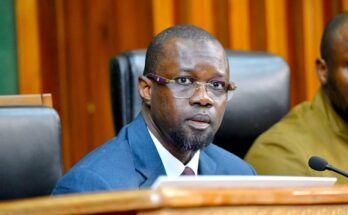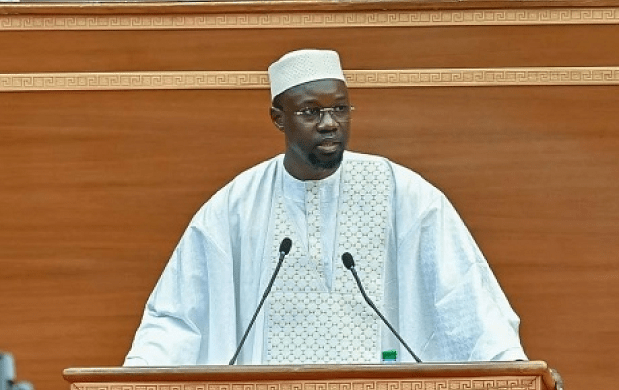
The Prime Minister of Senegal, Ousmane Sonko, delivered a firm message to lawmakers on Friday, vowing that the newly enacted legislation targeting acts against nature would be enforced with unwavering resolve. Addressing the National Assembly during a session of urgent questions, Sonko dismissed concerns raised by international observers about the controversial reform.
During the parliamentary exchange, Sonko underscored the critical importance of ensuring the law’s application without compromise. He emphasized that once legislation is adopted and signed into law, all citizens—regardless of prior opposition—are obligated to comply. The government’s stance, he stated, reflects a commitment to upholding the rule of law and societal values.
The reform, signed into law by President Bassirou Diomaye Faye on March 27, 2026, amends Article 319 of the 1965 Penal Code. The updated provisions introduce stricter penalties for so-called acts against nature, including provisions that criminalize advocacy and financial support for such acts. Offenders now face imprisonment ranging from five to ten years, alongside fines between two and ten million West African CFA francs.
Responding to criticism from Western governments, particularly in Europe, Sonko reaffirmed Senegal’s legislative sovereignty. He declared that the nation remains free to determine its own societal path, asserting that external entities have no authority to dictate moral or legal standards to Senegal. The Prime Minister framed the reform as a necessary measure to safeguard public health, citing concerns over the spread of HIV as a key motivator.
In a definitive stance, Sonko ruled out any possibility of a moratorium following the law’s enactment. The government’s resolve to implement the reform without delay was presented as a non-negotiable priority, signaling an era of strict legal enforcement in Senegal.