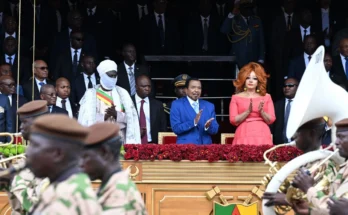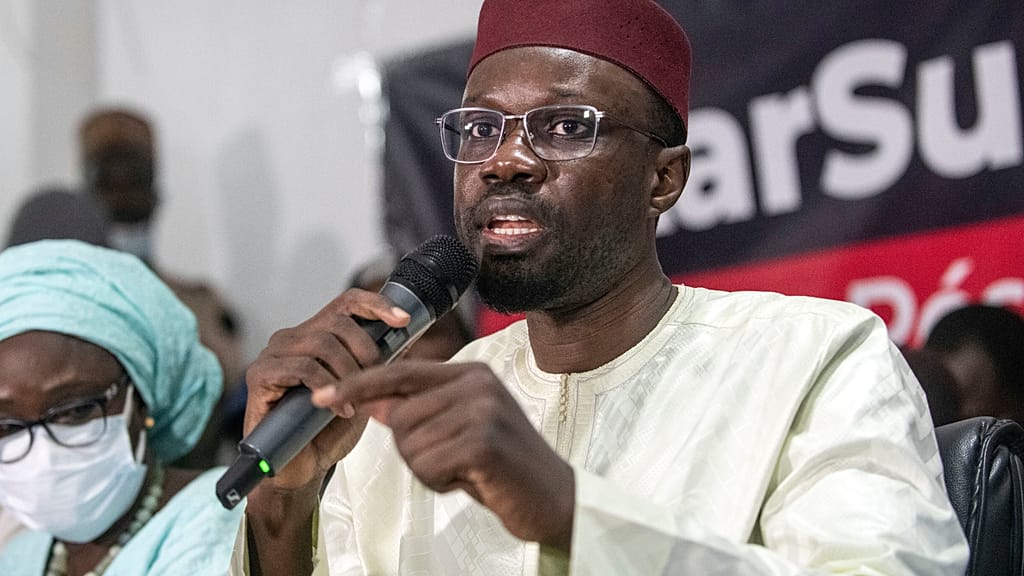
In Dakar, the political landscape has been thrown into a new phase following the abrupt dismissal of the Prime Minister. The presidential decree terminating Ousmane Sonko’s mandate has left his supporters caught between acceptance and disillusionment, months after escalating tensions between the country’s two top leaders came to a head.
Reactions from Sonko’s base: pride and frustration
« Thankfully, this was expected. Ousmane Sonko has achieved more for Senegal than any other minister in history. We will stand by him with even greater pride. Bassirou Diomaye Faye’s behavior has been reckless at best, » declares Ibrahima Dione, a long-time resident of the capital.
The PASTEF party, led by Sonko, has so far limited its response to a sparse social media statement, doing little to conceal the deepening rift at the heart of the government. The dismissal of the entire cabinet has left a vacuum, underscoring the severity of the crisis unfolding in the executive branch.
Concerns over instability and governance
« This move is destabilizing. I was genuinely surprised by the announcement—it came out of nowhere. The country needs jobs, not political infighting, » shares Modou Diaw, another Dakar resident reflecting on the sudden turn of events.
The Prime Minister’s rise to power was inextricably linked to Sonko’s popularity, particularly among Senegal’s youth, who rallied passionately behind him. Yet, Diomaye Faye’s tenure was marked by several controversial statements and actions, which observers suggest may have strained relations with the head of state.
Public sentiment: acceptance or resignation?
« Many Senegalese saw this coming. The president holds the power to appoint and dismiss officials. If this decision serves the nation’s best interests, then it’s justified, » remarks Thierno Sow, echoing a more pragmatic view shared by some in the capital.
PASTEF’s landslide victory in the first round of the March 2024 elections was fueled by promises of sweeping political reforms and a relentless fight against public mismanagement. The party’s current struggles reflect the broader challenges of translating electoral success into stable governance.