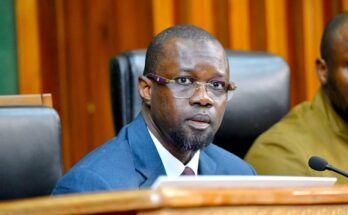
In Senegal, Prime Minister Ousmane Sonko is making bold moves. Addressing his supporters and the public, the leader of the Pastef party has intensified his rhetoric not only against political rivals but also against some allies within the ruling coalition. This shift follows a period of cautious diplomacy since the party assumed power in March 2024, as observers in Dakar and beyond analyze the evolving power dynamics within Pastef.
Strengthening political influence in Dakar
The Prime Minister’s recent public statements mark a departure from the measured tone he adopted in his early months in office. Sonko is openly challenging both Senegal’s former political establishment and civil society figures, accusing them of covert opposition. This strategy appears designed to reclaim media space and reassert his dominance within the ruling coalition. Analysts note that his primary audience remains his party’s militant base.
Pastef, once banned and later reinstated ahead of the presidential election, retains significant political capital, especially in urban centers and among young voters. By reviving a discourse of radical change, Sonko aims to reinforce his legitimacy following the November 2024 legislative elections, which solidified his party’s control in the National Assembly.
Internal tensions within the ruling party
Sonko’s recent statements coincide with growing discontent among his close associates, many of whom expected key positions in the government or strategic administrative roles. Their exclusion has fueled internal frustration, with some party members accusing the administration of diluting Pastef’s original agenda in favor of compromises aligned with pre-existing political structures.
The tensions remain subtle but are increasingly visible. Longtime party cadres, who had stayed quiet since the election victory, now see their influence diminish as technocrats recruited by the presidency take center stage. By directly addressing his supporters, Sonko seeks to reassure disillusioned members while sending a clear message to the presidential palace.
Regional implications of Senegal’s power struggle
The quiet power struggle between the Prime Minister’s office and the presidency is drawing attention from regional diplomats. Senegal plays a stabilizing role in West Africa, where political stability is fragile due to shifts in the Sahel and ongoing reforms within the Economic Community of West African States (ECOWAS). Any instability at the top of Senegal’s government could impact diplomatic efforts, particularly in mediating with military-led governments in Mali, Burkina Faso, and Niger.
For investors and development partners, a unified executive voice is critical. Ongoing negotiations with the International Monetary Fund (IMF) regarding debt sustainability—after revelations of weakened public finances inherited from the previous administration—demand consistency. Sonko’s public remarks, perceived as personal assertions, risk complicating the government’s official narrative on fiscal reforms and long-term development strategies outlined in the Senegal 2050 framework.
Despite challenges, Sonko holds substantial advantages. His parliamentary majority, strong youth support, and control over the party apparatus grant him rare leverage as head of government. The key question now is whether his recent offensive signals an impending cabinet reshuffle, a strategic policy shift, or simply an effort to consolidate his authority within Pastef.