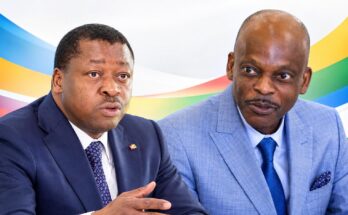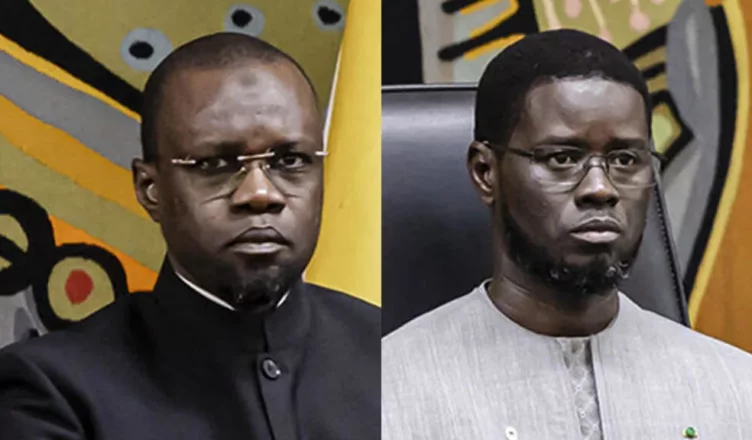
Sénégal’s political scene is experiencing a significant upheaval following the Sunday resignation of National Assembly President El Malick Ndiaye. This unexpected departure could pave the way for former Prime Minister Ousmane Sonko to assume leadership of the Parliament, just days after his dismissal by President Bassirou Diomaye Faye.
Via a statement shared on Facebook, El Malick Ndiaye cited his decision stemmed from his institutional vision and the nation’s best interests, offering no further specifics. A staunch ally of Sonko, Ndiaye had presided over the Assembly since Pastef’s landslide victory in the 2024 legislative elections, where the party secured an impressive 130 out of 165 seats.
Deputies are slated to convene in a plenary session on Tuesday to consider Ousmane Sonko’s reinstatement as a Member of Parliament, followed by the election of a new National Assembly president. This development would significantly bolster the influence of the Pastef leader, who continues to command considerable popularity among a large segment of the Senegalese populace.
Just last Friday, President Bassirou Diomaye Faye terminated his Prime Minister’s tenure, signaling a political rift between the two figures who had ascended to power together in April 2024. Having been barred from the presidential election due to a judicial conviction, Ousmane Sonko had wholeheartedly endorsed Bassirou Diomaye Faye’s candidacy, famously rallying under the slogan « Diomaye Moy Sonko ».
For several months, the underlying tensions between the two leaders had become increasingly apparent. Sonko, notably, criticized the head of state for perceived indecisiveness and publicly decried the sluggish pace of legal proceedings initiated against officials from the former Macky Sall administration, who faced allegations of corruption.
Conversely, President Faye expressed concerns over Sonko’s burgeoning influence within the government and the ruling party. The chasm between them deepened further following the former Prime Minister’s fresh criticisms voiced in the National Assembly concerning the management of political funds.
Despite his removal from the cabinet, Ousmane Sonko undeniably maintains substantial political sway. Hundreds of his fervent supporters gathered outside his Dakar residence on Friday evening, effectively transforming his dismissal into a powerful display of popular backing. This illustrates the dynamic nature of Africa politics English observers are following.
President Faye now faces the critical task of appointing a new Prime Minister, a choice that will require parliamentary approval amidst a particularly volatile and uncertain political landscape in Sénégal. This is a key development in African news today.