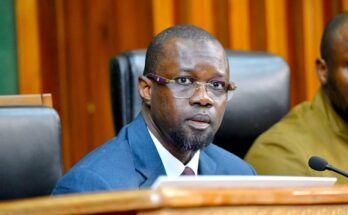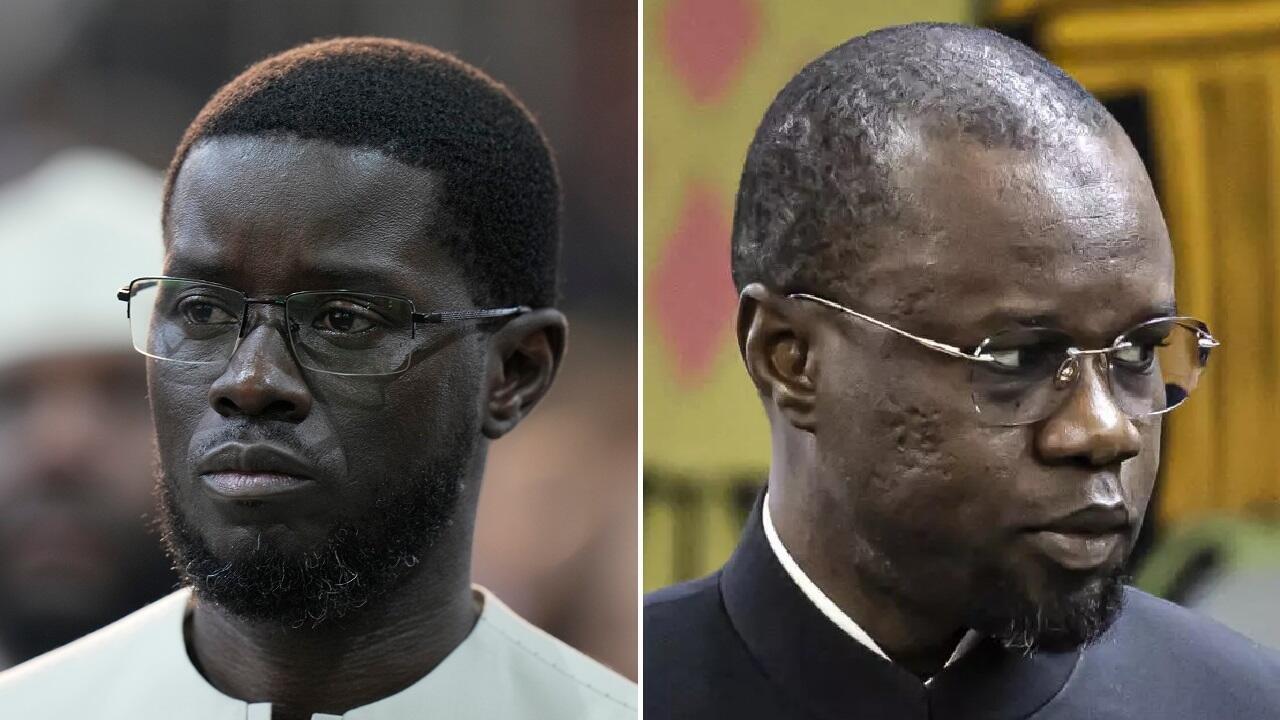
Ousmane Sonko, former Prime Minister of Senegal, has made a swift political comeback by securing his seat in the National Assembly and ascending to its presidency just days after his removal from government.
Speaking shortly after his election, the Pastef party leader reaffirmed his commitment to constructive dialogue with President Bassirou Diomaye Faye, signaling a potential shift in the country’s political dynamics. Political analyst Gilles Yabi, founder of the civic think tank Wathi, shares insights on what this development could mean for Senegal’s future.
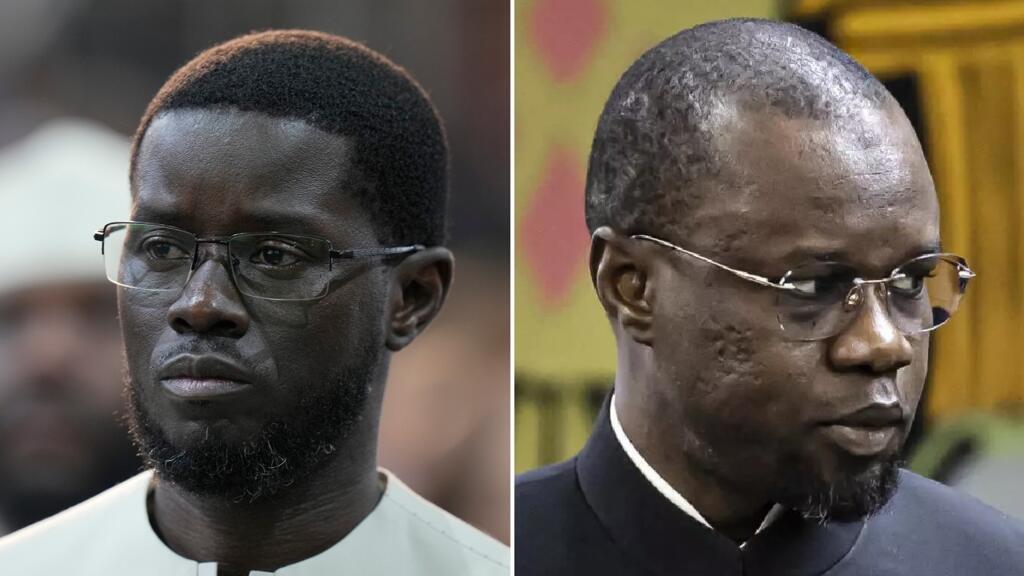
From Prime Minister to National Assembly President: A Strategic Move
The unexpected turn of events places Ousmane Sonko at the helm of Senegal’s legislative body, a role that could redefine the balance of power in the country. His removal as Prime Minister earlier this week came amid shifting political alliances, but his rapid rise to the Assembly’s presidency demonstrates his enduring influence.
Sonko’s election to lead the National Assembly reflects both his party’s strong parliamentary presence and the evolving expectations of Senegalese voters. His conciliatory remarks toward the presidency suggest an openness to collaboration, though the underlying political tensions remain palpable.
Expert Analysis: What Lies Ahead for Senegal?
Political economist Gilles Yabi, whose research focuses on governance and democratic transitions in Africa, highlights the significance of this transition. He notes that Sonko’s new position could either serve as a bridge between opposing factions or exacerbate existing divisions, depending on how negotiations unfold.
Key questions now arise:
- Will Sonko’s leadership in the Assembly foster greater cooperation with the executive branch?
- How will this reshuffle impact ongoing policy debates, particularly on economic and social reforms?
- What signals does this send to international partners about Senegal’s political stability?
As Senegal navigates this pivotal moment, the coming weeks will be critical in shaping the trajectory of its democratic institutions.