Senegal’s leadership shake-up sparks widespread uncertainty
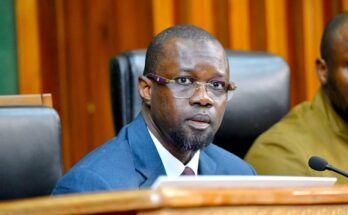
In a dramatic turn of events, President Bassirou Diomaye Faye has abruptly dismissed Prime Minister Ousmane Sonko, thrusting Senegal into a period of deep political and economic instability. The decision, announced without prior warning, has left both citizens and observers grappling with its implications. As the dust settles in Dakar, reactions range from cautious optimism to outright concern about the future of the nation’s governance.
The sudden removal of Ousmane Sonko, a prominent figure in Senegalese politics, comes at a time when the country is already navigating a delicate balance between economic recovery and institutional strength. Analysts warn that the political vacuum left in the prime minister’s wake could exacerbate existing challenges, including inflation, unemployment, and social unrest. The move has raised questions about the government’s ability to maintain cohesion and deliver on its promises to the Senegalese people.
Dakar’s divided response
Residents of the capital are expressing sharply contrasting views. Supporters of the president hail the decision as a necessary step toward reform and accountability, arguing that it signals a break from past inefficiencies. Meanwhile, critics warn that the dismissal could destabilize the political landscape further, particularly given Sonko’s enduring influence among key segments of the population. Public gatherings and discussions in the streets reflect a nation on edge, with many calling for transparency and dialogue to prevent escalating tensions.
The economic fallout is already being felt. Financial markets, closely monitoring Senegal’s political climate, have reacted with volatility. Investors are closely watching how the government navigates this crisis, particularly as the country seeks to attract foreign investment and secure international partnerships. The uncertainty has also impacted local businesses, which are struggling to adapt to the rapidly changing environment.
A call for unity and stability
In the wake of the announcement, calls for national unity have grown louder. Civil society leaders are urging all parties to prioritize dialogue over confrontation, emphasizing that Senegal’s progress depends on collective effort. Religious leaders, too, have weighed in, urging calm and patience as the country charts a new course. The president, meanwhile, has remained largely silent on the matter, leaving many to speculate about his next moves and the broader strategy behind this sweeping decision.
As Senegal stands at this critical juncture, the world watches closely. The outcome of this political upheaval will not only shape the nation’s future but also set a precedent for governance in the region. Will the president’s bold move lead to stability and renewal, or will it plunge the country deeper into uncertainty? The answers remain to be seen.