Senegal’s president faye forms new cabinet amidst sonko’s boycott
President Bassirou Diomaye Faye of Senegal unveiled a new government cabinet on Monday. This announcement surprisingly included several prominent figures and allies from Ousmane Sonko’s Pastef party, despite Sonko, a former close associate of the President, having declared his party’s non-participation.
President Bassirou Diomaye Faye of Senegal officially unveiled his new government on Monday. This cabinet notably includes several members and allies of Ousmane Sonko’s Pastef party, despite Sonko’s earlier declaration that his political movement would not be part of the administration.
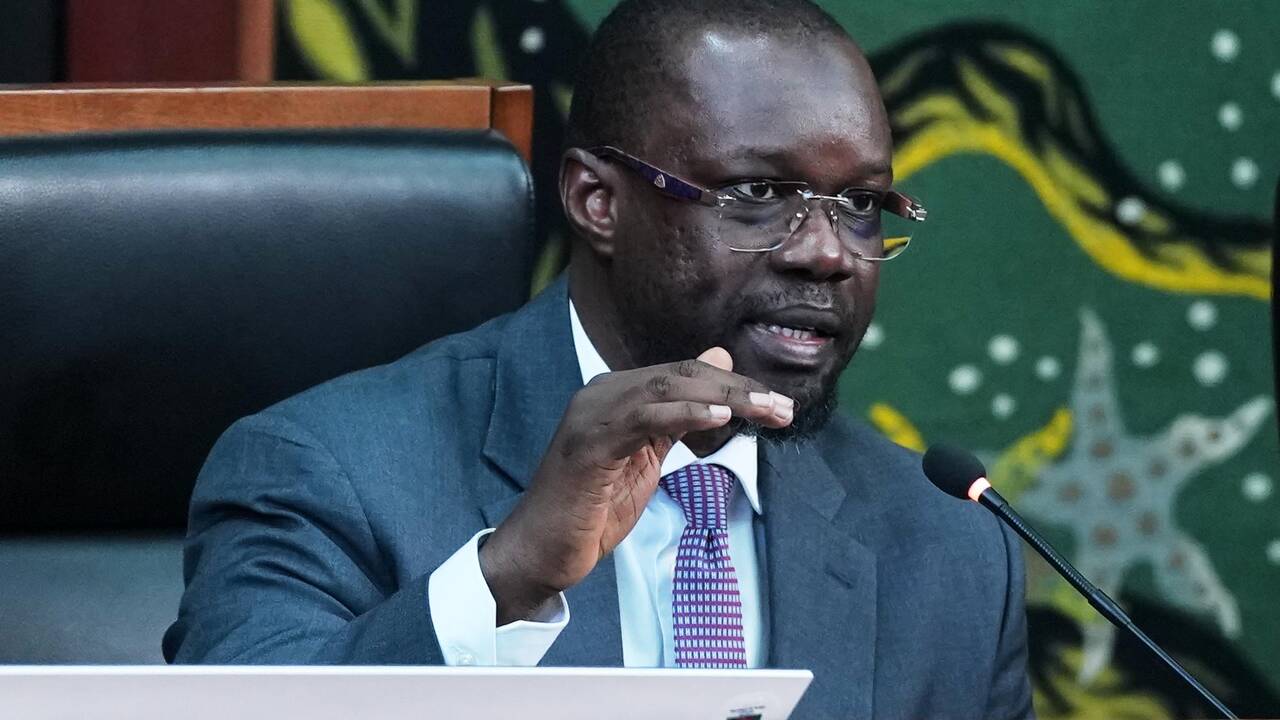
This governmental formation follows approximately ten days after President Faye, himself a former member of Pastef, removed Ousmane Sonko from his previous role. Sonko has since assumed the position of President of the National Assembly.
The political paths of Faye and Sonko diverged following months of growing tensions, ushering in a period of political uncertainty for Senegal, a nation already grappling with significant financial challenges.
Ousmane Sonko’s former prime ministerial role is now filled by Ahmadou Al Aminou Mohamed Lô, who on Monday presented a list of 30 ministers. This new cabinet notably excludes several key figures from the ruling Pastef party who were part of the previous government.
Just minutes before the cabinet was revealed, the leader of Pastef had publicly stated via social media that his party would not be joining the new government.
points of disagreement emerge
“This morning, a lengthy discussion took place between the President of the Republic and myself, as party President,” the statement read. “While areas of agreement were certainly reaffirmed, significant points of disagreement also arose, particularly concerning the position and function of the majority within the executive framework.”
The communiqué further explained: “Following a debriefing meeting with the Party’s leadership, new proposals were put forth to the President of the Republic, but these did not receive a favorable response. Therefore, PASTEF – Les Patriotes will not participate in the upcoming government and will not have any ministers representing it.”
Despite Pastef’s official stance, several lesser-known allies and members of Sonko’s party were included in the new government’s list. These appointments include Moussa Bala Fofana as Minister of Urban Planning and Yankhoba Diémé, who will oversee the Armed Forces portfolio.
President Faye also retained several ministers from the previous administration, such as Cheikh Diba for Finance, Moustapha Mamba Guirassy for Education, and Cheikh Tidiane Dièye for Sanitation.
New Prime Minister Amadou Al Aminou Lô affirmed that the formation of the new government followed “customary consultations with all relevant parties,” including Pastef party leader Ousmane Sonko.
During the live broadcast of the cabinet list on national television (RTS), Prime Minister Lô added, “The President of the Republic wishes to reiterate that, under all circumstances, a statesman must ensure that the nation and the Republic always take precedence over any partisan considerations.”
a new political chapter
This marks a significant new chapter following the political separation of Bassirou Diomaye Faye and Ousmane Sonko. These long-standing political allies had triumphed in the March 2024 presidential election, campaigning under the popular Wolof slogan “Sonko mooy Diomaye” (Sonko is Diomaye).
However, clear differences emerged between the two men over several months, ultimately leading to their unavoidable split after Sonko’s dismissal in late May. Sonko, the undisputed leader of their party, which holds a significant majority in the Assembly, has since been comfortably elected as President of Parliament.
Having been barred from contesting the presidential election due to a defamation conviction, Ousmane Sonko had designated his close associate, Bassirou Diomaye Faye, to run in his stead. Despite this, disagreements soon surfaced between them.
Tensions first became apparent in July 2025 when the then-energetic Prime Minister openly criticized President Faye, decrying a “problem of authority” within the nation. By early May, the President had publicly expressed concerns about his former Prime Minister’s “excessive personalization” of power within the ruling party.