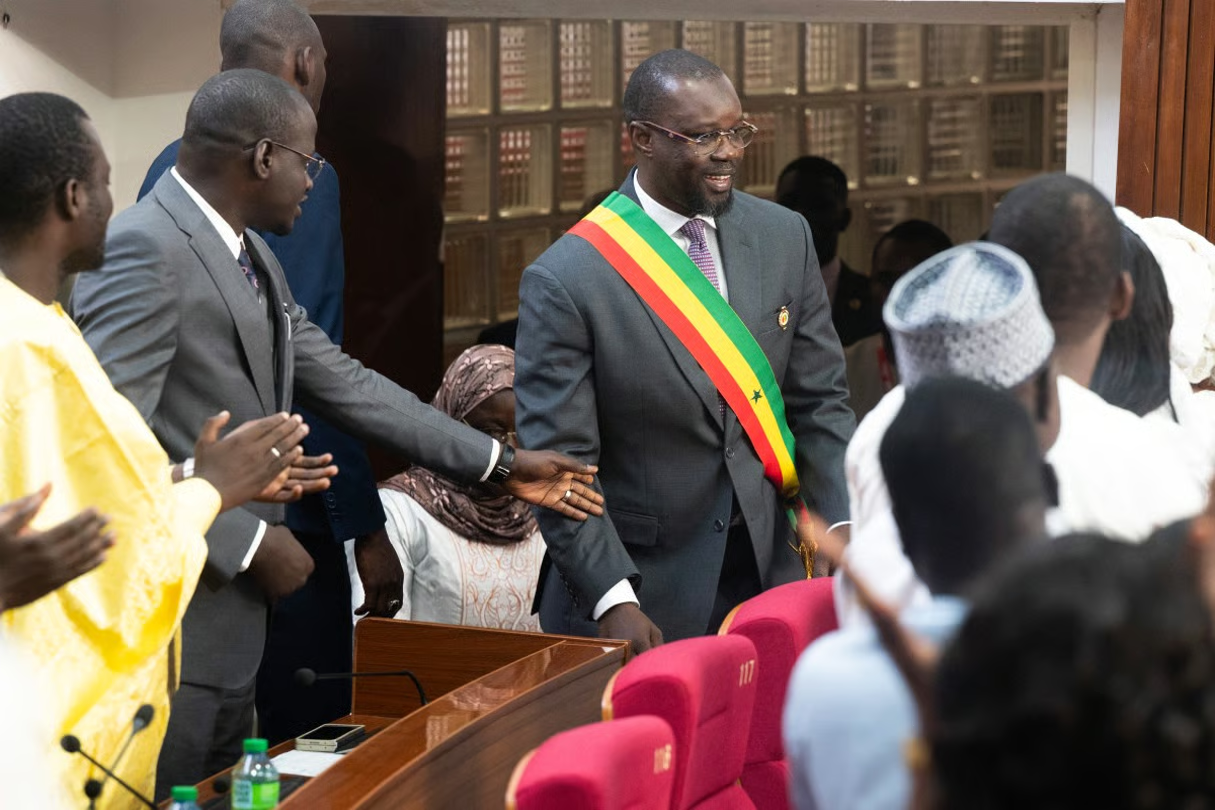
Senegal’s political landscape shifts as Sonko takes assembly helm
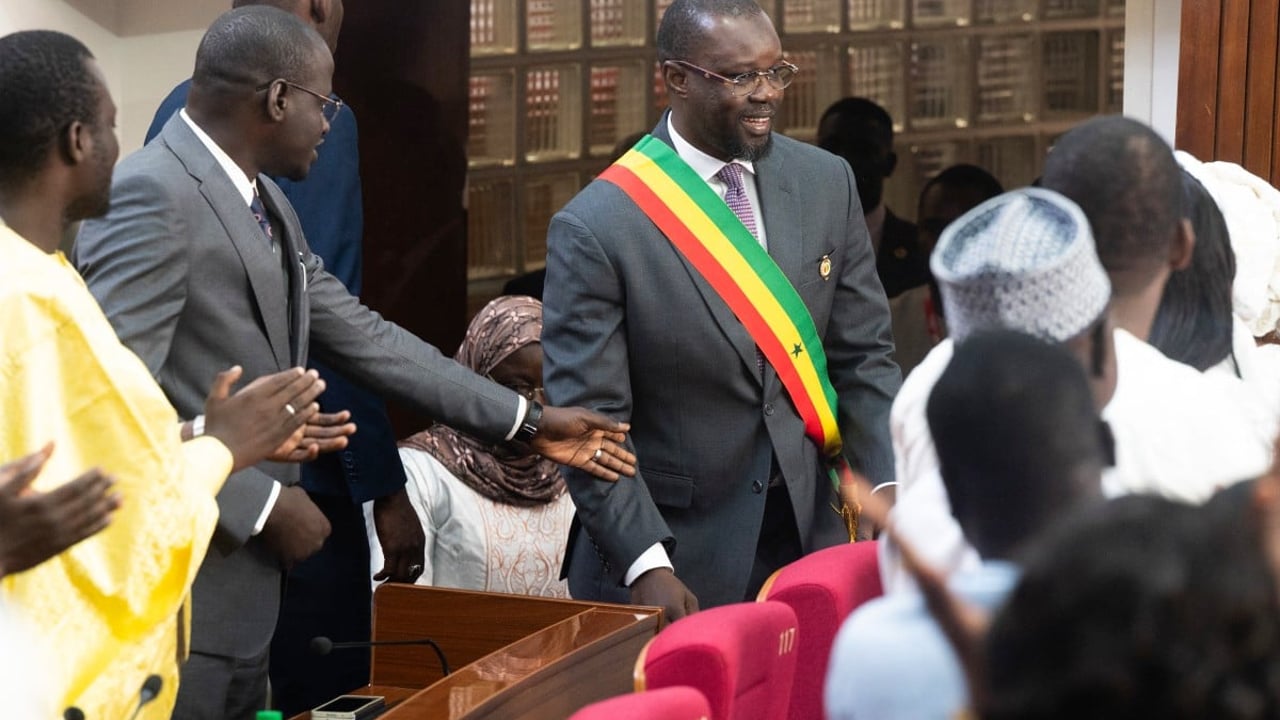
In a swift political maneuver, Ousmane Sonko, recently relieved of his duties as Prime Minister of Senegal by President Bassirou Diomaye Faye on May 22, was swiftly elected as the new President of Senegal’s National Assembly just four days later. The session, convened at 9:00 AM on May 26, concluded with remarkable speed, marking a significant turn in the country’s legislative dynamics.
Sonko, widely recognized by his peers as the “guardian of the revolution,” delivered his inaugural address in his new capacity, setting the tone for what promises to be a transformative period in Senegalese politics. The National Assembly of Senegal, the heart of the nation’s democratic processes, now faces a new leadership that has already sparked both support and criticism.
Opposition voices concerns over electoral process
The swift election of Sonko has drawn sharp reactions from the opposition, who have labeled the proceedings a “sham” and questioned the legitimacy of the vote. Critics argue that the rapid transition from dismissal to election within a mere four-day window raises serious concerns about procedural fairness and transparency.
Supporters of Sonko, however, view his election as a bold step toward aligning legislative power with the revolutionary ideals that have driven recent political changes in Senegal. The Panafrican Press and international observers are closely monitoring the situation, as the outcome could have far-reaching implications for African news today and the broader pan-African current affairs landscape.
What’s next for Senegal’s political future?
The election of Sonko comes at a critical juncture for Senegal, a nation often seen as a beacon of stability in West Africa. With his ascent to the presidency of the National Assembly, Sonko now holds a pivotal role in shaping the legislative agenda and influencing the country’s path forward. His supporters believe he will champion reforms that address the aspirations of the Senegalese people, while opponents warn of potential instability and democratic backsliding.
As Senegal navigates this pivotal moment, the world watches closely. The decisions made in the coming weeks and months will not only define the trajectory of Senegalese politics but also serve as a test case for Africa politics in English and the continent’s broader democratic resilience.