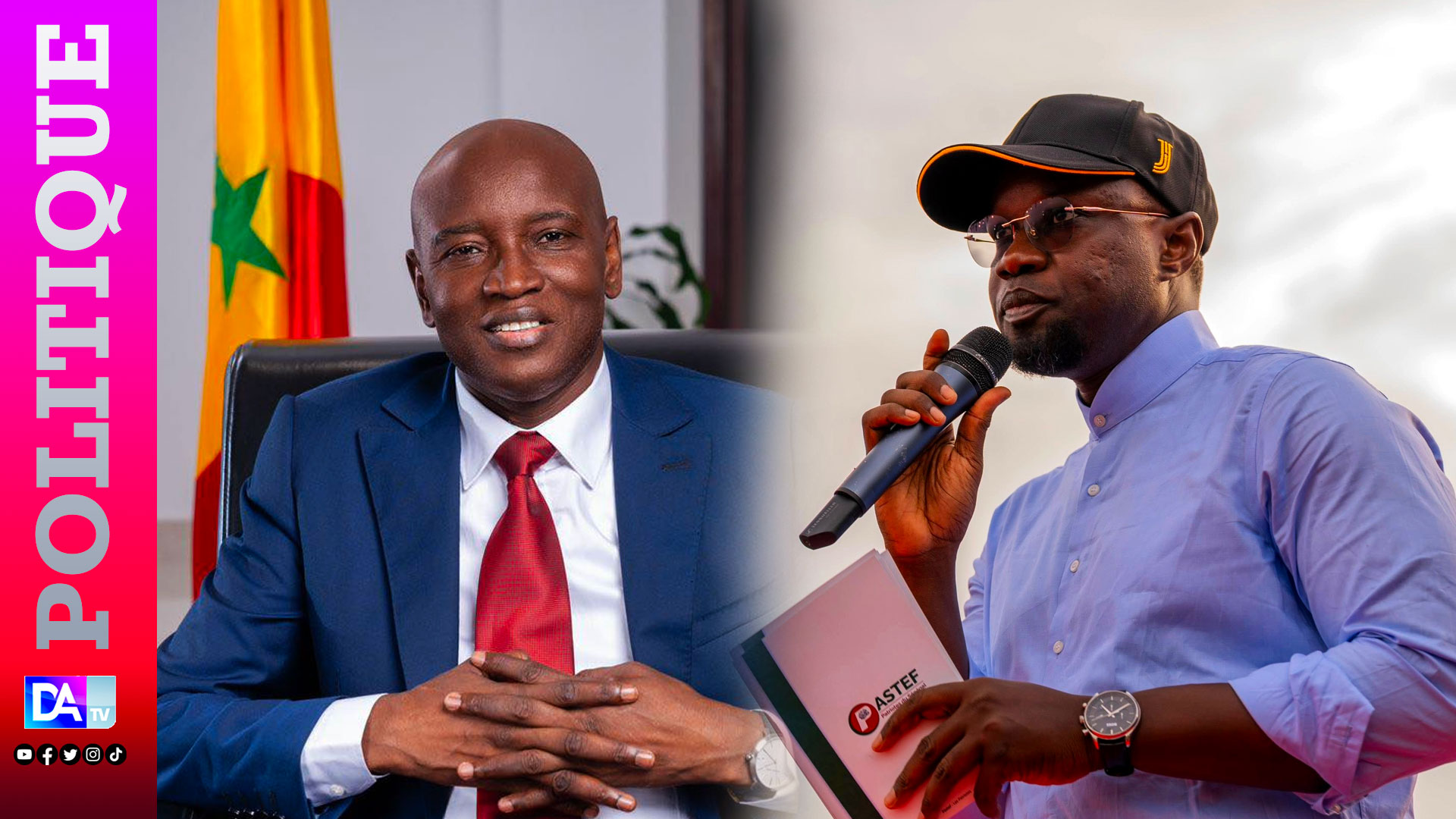
Former Minister Aly Ngouille Ndiaye Makes Stunning Claims About Special Funds
In a televised interview, Aly Ngouille Ndiaye, former minister and close political figure, dropped a bombshell regarding the fonds spéciaux allocated to Senegalese prime ministers. According to him, Ousmane Sonko holds the unique distinction of being the first head of government to benefit from these funds during his tenure at the Primature.
Ndiaye, who served under multiple administrations, clarified that while he himself never held the prime ministerial post, his statements are based on firsthand knowledge and interactions with former colleagues. Among those who were privy to these allocations, only Boun Abdallah Dioné—now deceased—was reportedly excluded from accessing these funds, as confirmed by Ndiaye.
Sonko’s Allocation: A Breakdown of Claims
Ndiaye went further, dissecting the figures surrounding Sonko’s disbursement. He alleged that while some speculate the funds were released quarterly, others claim they were allocated annually. If the latter were true, Sonko would have received around 8 billion FCFA. However, Ndiaye pointed out that the initial tranche of 1.7 billion FCFA was exhausted rapidly, suggesting a quarterly distribution model.
His reasoning? If the funds were truly released per year and depleted within a single quarter, the spending rate would be unprecedented. Ndiaye implied that this rapid depletion indicates not only mismanagement but also potential misuse by Sonko, especially since his successor found no remaining funds, implying a complete consumption of the allocated resources.
Parliamentary Inquiry: A Necessary Step
Ndiaye didn’t stop at financial allegations. He urged Sonko to proactively address the controversy by clarifying the utilization of the 1.7 billion FCFA. He stressed that a parliamentary commission of inquiry should scrutinize this expenditure to determine whether Sonko set a positive precedent or violated institutional norms.
Criticizing Sonko’s recent rhetoric about respecting institutions, Ndiaye remarked, “What they say and what they do are often worlds apart.” He implied that Sonko’s refusal to engage with institutional mechanisms—such as parliamentary inquiries—contradicts his public stance on institutional integrity.
The former minister’s statements have reignited debates about transparency and accountability in Senegal’s governance, particularly regarding the opaque nature of special funds and their oversight.
Comments are closed, but trackbacks and pingbacks are open.