The arrest of a prominent religious leader and the suspension of a historic student union in Burkina Faso signal a troubling escalation in restrictions on civic freedoms under the current military regime. These developments follow a pattern of growing repression across the Alliance of Sahel States, raising serious concerns about the future of public liberties in the region.
Religious figure’s detention sparks unrest
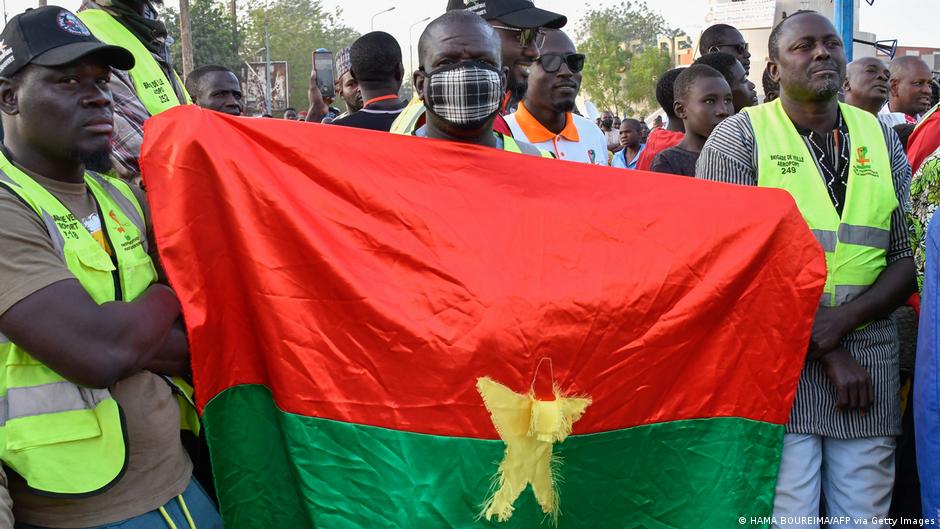
In the days leading up to Eid al-Adha, witnesses reported seeing masked security forces raiding the home of Imam Mohamed Ishaq Kindo, a respected religious and civic voice in Burkina Faso. His arrest has ignited protests, clashes, and mass detentions, with dozens injured and scores apprehended by authorities.
The Imam had publicly criticized a proposed law regulating religious practices, particularly restrictions on public prayers. His detention has drawn comparisons to the situation of Imam Mahmoud Dicko in neighboring Mali, though regional experts note key differences in their approaches and influence.
Conflating dissent with extremism
In the aftermath of the arrest, false reports—including a fabricated statement claiming the Imam’s death—circulated widely, later debunked by prosecutors. Some videos circulating online, allegedly showing abuses by security forces, have been flagged for inconsistencies and potential AI-generated content.
Meanwhile, detained protesters were reportedly transferred to a military facility in Kaya, in the Centre-Nord region, deepening fears of extrajudicial treatment.
Student union targeted in sweeping crackdown
The Union générale des étudiants du Burkina Faso (UGEB), one of the country’s oldest student federations, has been suspended for three months, renewable, following the arrests of its leadership. Authorities accuse the union of “glorifying terrorism” and “demoralizing security forces” after it condemned the deteriorating security situation, labeling it a “civil war” and criticizing the government’s failure to protect civilians.
Mahamadou Idder Alghabid, Deputy Secretary-General of the Alliance des démocrates du Sahel, condemned the move as part of a regional trend: “It’s laughable to accuse unarmed students of terrorism, but that’s become the standard playbook across the Sahel. Every dissenting voice is silenced under accusations of terrorism or collaboration with militants—a tactic now common in Burkina Faso, Mali, and Niger.”
A regional pattern of repression
From Burkina Faso to Mali and Niger, human rights advocates warn of a coordinated erosion of civil liberties. Dissolutions of civil society groups, judicial harassment, and curbs on free expression are intensifying, with activists increasingly facing arrest, abduction, or violence for speaking out.
Observers note that the line between legitimate political criticism and criminal offense is vanishing, as military regimes consolidate power under the guise of combating insecurity.
Resistance persists despite risks
Despite the crackdown, opposition voices continue to emerge—often from abroad. Alghabid remains defiant: “We know the fight ahead is immense, opposing three military regimes. But every day, we gain ground while they lose it. Their propaganda initially won hearts with slogans of sovereignty and anti-imperialism. Today, those promises ring hollow. Sahéliens are waking up to the truth—and turning away from the juntas.”
Newton Ahmed Barry, a Burkinabè journalist in exile, warns that repression may ultimately backfire: “History shows that authoritarian excesses always sow the seeds of their own downfall. Ibrahim Traoré’s regime is no exception. The people will react—and their resilience is growing.”
Calls for global solidarity
International human rights organizations urge sustained pressure to protect civic space. Ilaria Allegrozzi of Human Rights Watch stresses the need to defend peaceful dissent: “Silence and ambiguity only embolden autocrats. Partners of Burkina Faso must stop pretending that criticizing the junta is counterproductive. The cost of inaction is far greater.”
The crisis underscores a stark reality: the legitimacy of military rule cannot be normalized, nor can human rights violations be ignored under the pretext of stability.