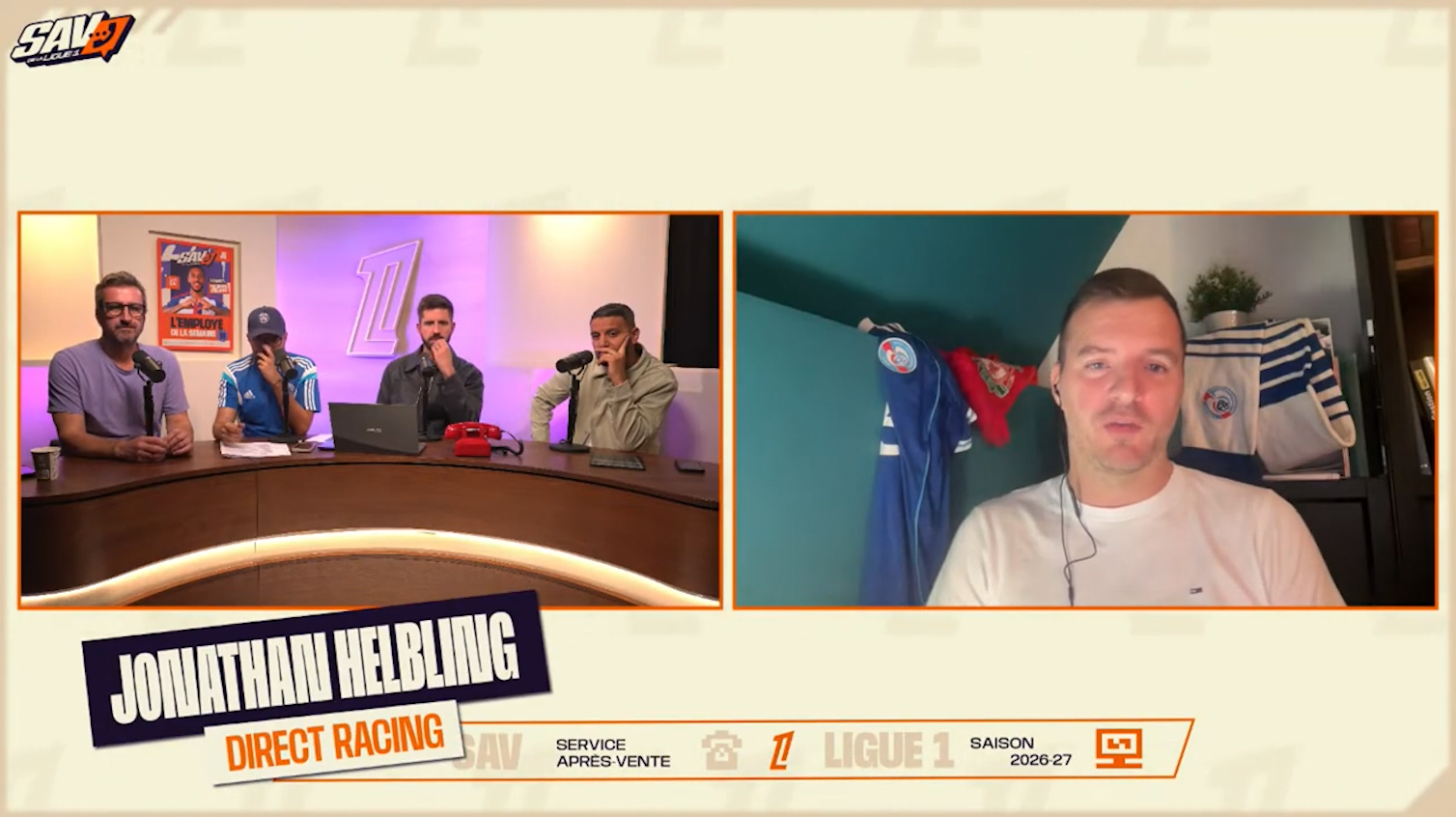
The debate flared up this past weekend, dominating even the Ligue 1 review panel’s roundtable. The eruption of emotion following Liam Rosenior’s abrupt move to Chelsea in January—and the fiery reactions it sparked in the stands of Stade de la Meinau—has become impossible to ignore. The question on everyone’s lips: is the anger justified, or has the club’s ownership crossed a line that can’t be mended?
Why Strasbourg’s supporters see red over a mid-season departure
The heart of the frustration doesn’t lie in Rosenior’s exit itself, critics argue, but in its timing and destination. « The real issue is that he left in the middle of a season when Strasbourg was performing well and still in contention for the UEFA Conference League, » reflects analyst Jonathan Helbling. « The same ownership group, BlueCo, essentially transferred him directly to Chelsea. » The ripple effect hit the squad hard—Chelsea’s recall of Mamadou Sarr, loaned from Strasbourg earlier, stripped the team of a key central defender just when they needed stability.
Had Rosenior simply moved to another club, would the outrage have been the same? « No, the reaction would have been completely different, » Helbling insists. « Strasbourg’s fanbase would have accepted it. But when a club owner effectively raids one team in their group to bolster another, fans feel betrayed. They see a manager snatched away, not to a rival, but to a teammate under the same umbrella. » The move, he argues, wasn’t just a loss of talent—it was a loss of identity.
Rosenior’s post-match outburst: human reaction or break of trust?
The panel didn’t shy away from the intensity of fan frustrations expressed during and after the match at Stade Jean-Bouin. While dismissing the cruelty of personal insults, Helbling acknowledged the raw emotion behind them: « Throughout the game, he was subjected to relentless insults—extreme in their venom. There’s a line between banter and targeting someone’s family, especially their mother. That’s not acceptable. »
Rosenior’s fiery response immediately after the final whistle drew mixed reactions. « His reaction is understandable—deeply human, even, » Helbling concedes. « But it doesn’t excuse the language. After leaving the club mid-season, the least he could have done was step back from the spotlight. Leadership should never stoop to the level of the insults it receives. » Fellow panelist Houssem agreed: « Two hours of abusive chanting? That’s unacceptable. But a moment of frustration from a departing manager? Understandable, but not excusable. »
The forgotten art of professional goodbyes: Rosenior’s January press conference
The manner of Rosenior’s departure, particularly how he announced it, has become a talking point. Helbling vividly recalled the off-the-cuff press conference: « He walked in, sat down, and said, ‘Go ahead, ask your questions.’ No preparation. No script. No respect for the club that gave him his shot. » The most glaring misstep? Suggesting fans should feel proud their coach was being headhunted by Chelsea. « That message reeks of tone-deafness, » Helbling noted. « It implied Strasbourg was an incubator for top-tier clubs—a factory, not a family. »
The panel split sharply on intent: was this a botched communication strategy, or a deliberate move to soften the blow? One side argued the comment unintentionally flaunted the club’s new prestige. Another saw it as a calculated distraction. Helbling cut through the ambiguity: « It wasn’t a strategy at all. It was a failure to prepare. If you announce a press conference, you come with something to say. Winging it for five minutes is not leadership—it’s negligence. »
Where does Strasbourg go from here?
With eight points and a middling eighth-place finish before the winter break, the team’s trajectory had been steady. But public sentiment was anything but. The Rosenior saga isn’t just about one man’s move—it’s about trust. Fans are questioning whether the club’s ownership values loyalty or asset stripping. And in a league where identity and passion often outweigh silverware, the cost of a fractured relationship may be far greater than a league position.
As the season resumes, the Racing faces a double challenge: rebuilding confidence on the pitch and restoring faith in the boardroom. One thing is clear—the fallout from January hasn’t faded. It’s simmering. And unless addressed, it could define the club’s future as much as any transfer window.
Comments are closed, but trackbacks and pingbacks are open.