Strategic return of Gabon and France in modern diplomacy
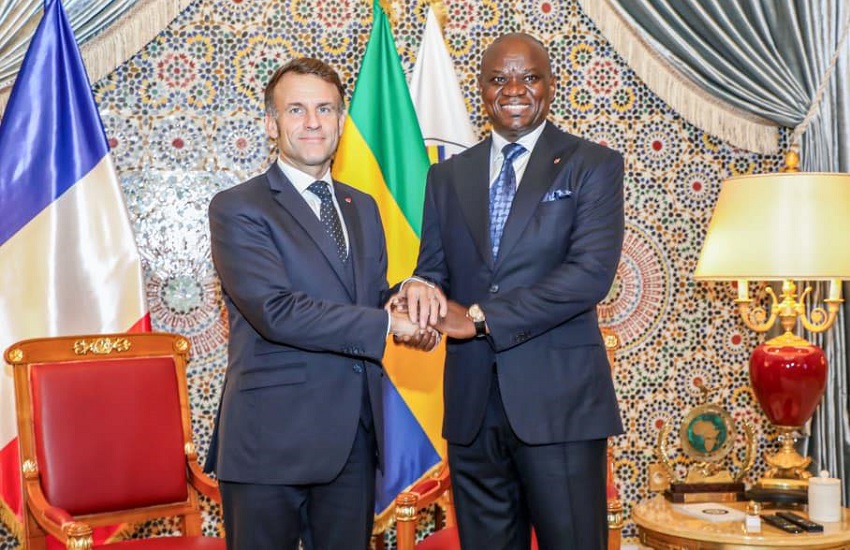
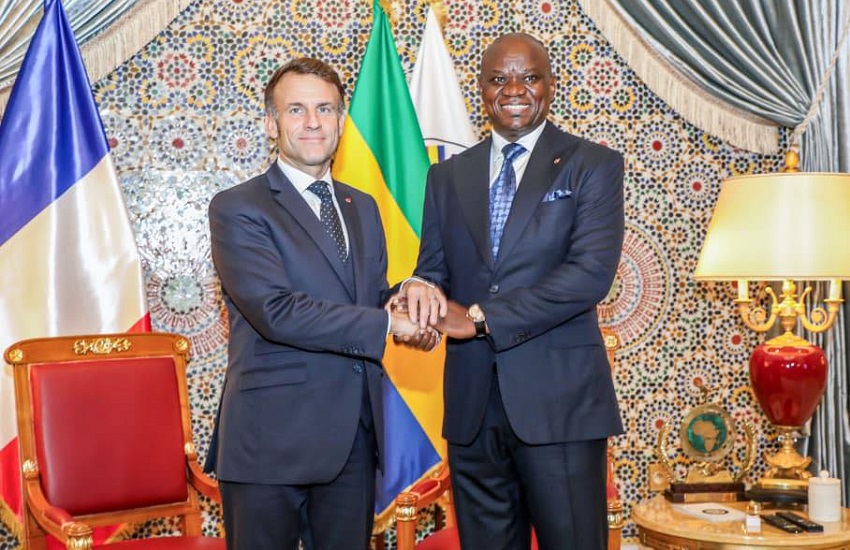
Libreville, June 4, 2026 — The upcoming state visit by Gabonese President Brice Clotaire Oligui Nguema to France on July 20 marks a pivotal moment in the evolving relationship between Libreville and Paris.
Announced during his television interview, this diplomatic engagement signals a deliberate shift in how Gabon positions itself on the African stage. As geopolitical landscapes across Africa and Central Africa undergo rapid transformation, the Gabonese government is opting for a path of constructive partnership rather than confrontation.
In a continent where several nations have re-evaluated their ties with former colonial powers, Gabon is charting a distinct course. President Oligui Nguema has repeatedly emphasized that Gabonese-French relations remain solid and forward-looking, rooted in mutual strategic interests. His clear stance underscores a commitment to a renewed partnership built on shared goals rather than historical dependencies.
This visit is more than symbolic; it may well become one of the defining diplomatic milestones of President Oligui Nguema’s seven-year term.
From colonial legacy to sovereign partnership
The ties between Gabon and France stretch back to 1960, when Gabon gained independence. Over the decades, cooperation between the two nations flourished under leaders like Léon Mba, Omar Bongo Ondimba, and Ali Bongo Ondimba. The collaboration spanned security, education, infrastructure, and military presence, positioning Gabon as France’s most reliable ally in sub-Saharan Africa.
Yet the global order has shifted. The rise of new global players—China, the United Arab Emirates, Turkey, and India—has redefined power dynamics in Africa. African nations, including Gabon, are asserting greater control over their resources and foreign policy decisions. The Gabonese leadership is no longer content with a partnership based solely on historical ties.
Today, the relationship is evolving toward a model of cooperation that prioritizes economic complementarity, skills transfer, and local value creation. It’s no longer about inherited obligations, but about building a partnership that benefits both sides.
Security cooperation: sovereignty and pragmatism
One of the most scrutinized aspects of the visit will be the future of military cooperation. Addressing recent changes in the French military presence at Camp de Gaulle in Libreville, President Oligui Nguema clarified that the adjustments were initiated by Paris, not driven by tensions between the two countries.
“We did not expel them,” he stated unequivocally—a statement that carries significant weight in today’s African context. While neighboring Sahel nations have taken a more confrontational stance toward French military presence, Gabon is adopting a pragmatic approach.
The decision to maintain a reduced French contingent—focused primarily on training Gabonese armed forces—reflects a dual objective: preserving operational gains while gradually strengthening national autonomy. The planned transformation of Camp de Gaulle into a national training center, with the removal of the general’s name, further signals a commitment to sovereignty that does not preclude cooperation.
Economic ties: from investment to mutual growth
The heart of the partnership now lies in the economic sphere. France remains one of Gabon’s top foreign investors, with French companies holding key positions in vital sectors. However, Libreville is pushing for a new economic model—one where investments generate tangible benefits for Gabonese citizens.
Recent discussions have centered on local processing of raw materials, job creation, and industrial development. The upcoming meeting between President Macron and President Oligui Nguema is expected to address these issues with a fresh perspective. The goal is no longer just attracting capital; it’s about fostering a partnership that supports Gabon’s economic diversification while providing French businesses with a stable and attractive environment.
A mature partnership for the 21st century
This state visit comes at a critical juncture. Gabon is balancing its quest for greater sovereignty with the need to maintain partnerships that fuel development. France, in turn, is redefining its role in Africa amid growing skepticism about its historical influence.
The days of unequal, asymmetrical relationships are over. What lies ahead is the construction of a more balanced partnership—one rooted in mutual respect and shared prosperity. By announcing this visit and publicly reaffirming the strength of Gabon-France relations, President Oligui Nguema is laying the groundwork for a new chapter.
The success of this diplomatic engagement will not be measured solely by official statements or photo opportunities. It will be defined by the ability of both nations to transform a long-standing historical connection into a modern, strategic, and mutually beneficial alliance. The challenge ahead is clear: to prove that cooperation between Gabon and France can still serve as a model for 21st-century partnerships—built on respect, sovereignty, and shared interest.