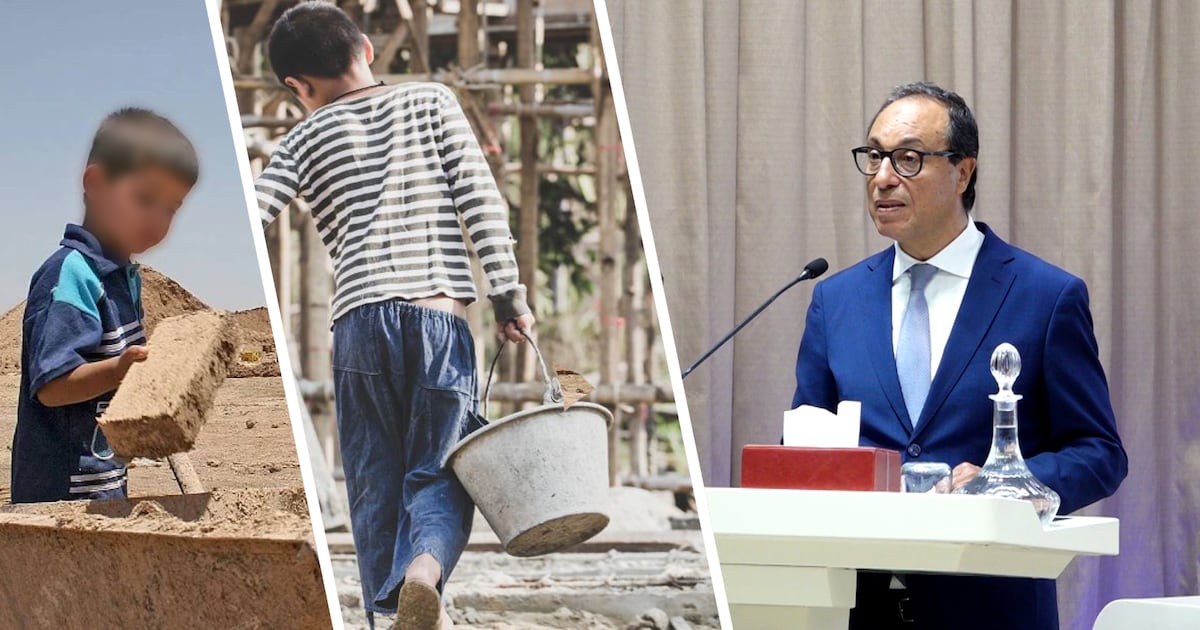
While Morocco has made significant strides over the past twenty years, child labor remains a pressing issue that demands urgent attention. Although the number of minors engaged in economic activities has plummeted by more than 80% since 1999, the problem persists, particularly within the informal economy and hazardous industries. The Economic, Social and Environmental Council (CESE) recently addressed this challenge in Rabat, presenting a series of strategic recommendations aimed at the final eradication of this practice.
Public perception and current realities
Abdelkader Amara, President of the CESE, highlighted that 78% of the 1,540 participants in a recent citizen consultation believe child labor is still a common sight across the country. This feedback prompted the council to evaluate existing public policies and identify more effective levers for action to protect the nation’s youth.
Current legislation in Morocco prohibits employment for those under 15 and is working toward the phased removal of minors aged 16 to 18 from dangerous roles. Official data confirms the positive impact of these measures: the number of working children aged 7 to 17 fell from 517,000 in 1999 to approximately 101,000 in 2024. This reduction represents a major achievement for the nation, yet the CESE warns that the goal of complete elimination has not yet been reached.
Structural barriers to eradication
The CESE identifies several deep-seated factors driving this phenomenon, including poverty, socio-economic vulnerability, and the prevalence of the informal market. Abdelkader Amara emphasized that a child’s rightful place is in the classroom and educational environments, rather than the workplace. He noted that labor severely hinders physical, psychological, and educational growth, perpetuating social inequality and slowing national development.
Public feedback indicates that 27% of citizens frequently observe children working in public spaces—washing cars, carrying heavy loads, or street vending. Even more alarming are reports from 22% of respondents regarding organized begging, sexual exploitation, and involvement in drug trafficking. With nearly 60% of working children engaged in hazardous activities, the need for enhanced prevention and control is critical.
Proposed legislative changes
Among its primary recommendations, the CESE is calling for a comprehensive revision of the Labor Code and an update to the 2010 decree regarding prohibited dangerous work for minors. A crucial proposal involves raising the minimum legal working age to 16 to align it with the end of compulsory schooling, ensuring better coherence between social and educational policies.
To bolster these efforts, a new partnership has been established between the CESE and the National Observatory for Children’s Rights (ONDE), led by Princess Lalla Meryem. This collaboration aims to synchronize prevention and protection measures to eliminate a practice that is inconsistent with Morocco‘s broader developmental progress and its commitment to human rights.
Comments are closed, but trackbacks and pingbacks are open.