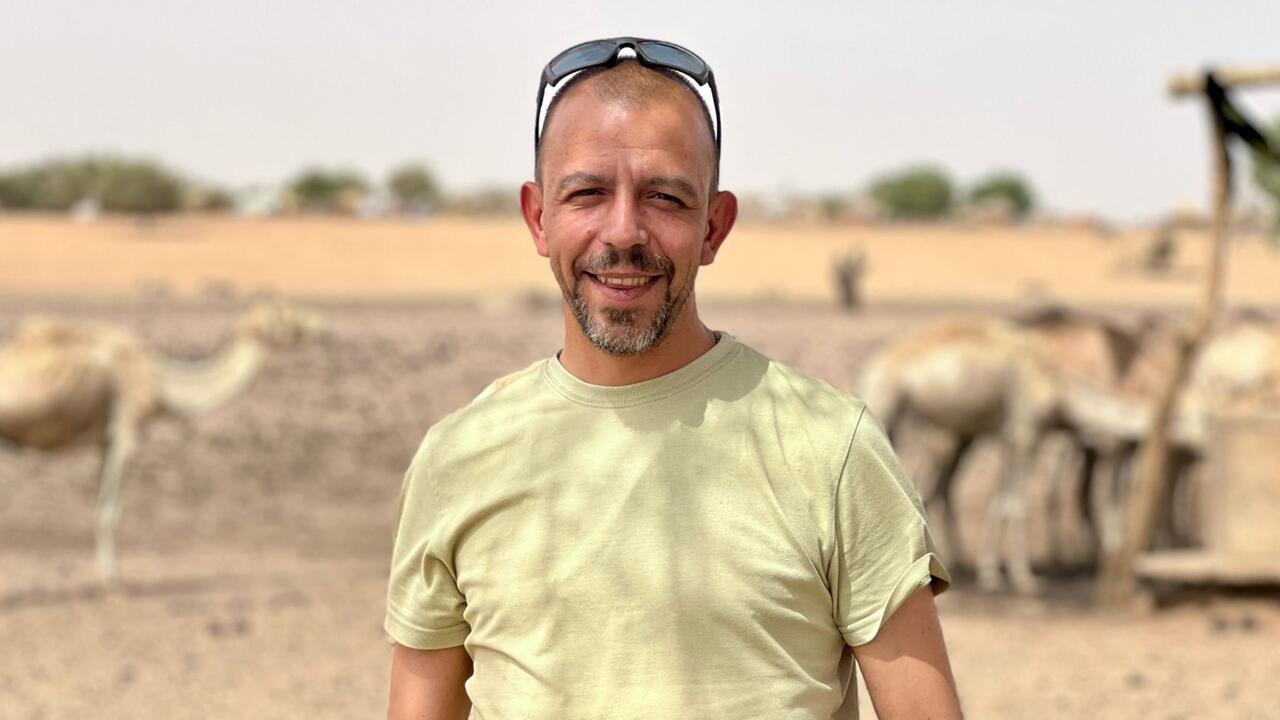
For more than two years, Joseph Figueira, a Belgian-Portuguese researcher, endured an ordeal that pushed him to the brink. His imprisonment in the Central African Republic began in Zemio, a remote town in the southeast, exactly two years ago. The circumstances surrounding his detention remain shrouded in uncertainty: was his arrest a case of mistaken identity, or was he deliberately targeted for political leverage?
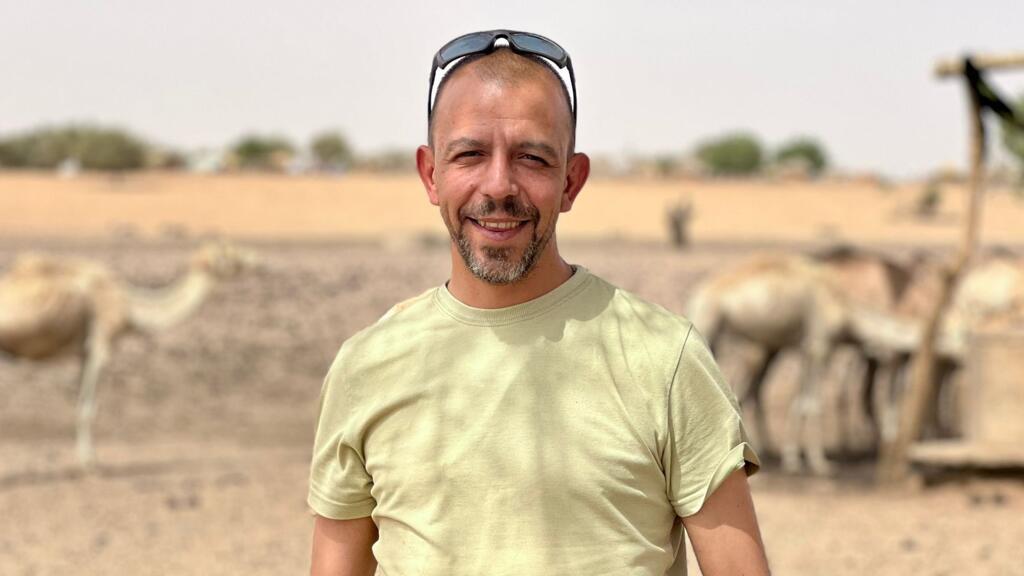
After months of isolation in secret detention centers operated by Wagner mercenaries and later in Central African prisons, Figueira emerged with a harrowing tale. His release on April 7, granted for humanitarian reasons, brought him back to his family in Portugal, where he now struggles to rebuild his life. Yet the questions persist: what truly transpired behind closed doors, and why was he singled out?
From Zemio to Bria: a descent into darkness
Figueira’s ordeal began in the southern town of Zemio, where he was first taken into custody. His transfer to Bria, a remote outpost in the Central African Republic, marked one of the darkest chapters of his captivity. In Bria, he faced conditions so brutal that he feared for his life daily. “There, I was convinced I would never leave alive,” he recalled during a recent interview.
The harshness of his detention raises critical questions about the nature of his arrest. Was he a pawn in a larger political game, or did his work as a researcher inadvertently place him in harm’s way? The ambiguity of his situation underscores the dangers faced by humanitarian workers and researchers in conflict zones.
Wagner’s shadow: mercenaries and political manipulation
The role of Russian mercenaries from the Wagner Group in Figueira’s detention cannot be overlooked. Their presence in the Central African Republic has been a source of controversy, with accusations of human rights abuses and political interference. Figueira’s case raises the unsettling possibility that his detention was not merely incidental but part of a calculated campaign.
While in captivity, Figueira witnessed firsthand the operations of Wagner mercenaries, who have been accused of exploiting local conflicts for their own gain. His testimony sheds light on the shadowy networks that operate in the region, often with little accountability. Could his detention have been an attempt to silence a critical voice?
Life after captivity: rebuilding in Portugal
Freed on humanitarian grounds after over two years of unjust detention, Figueira now faces the daunting task of reintegrating into society. His family, who never gave up hope, has been his anchor during this grueling ordeal. Yet the scars of his imprisonment run deep, both physically and emotionally.
As he begins the healing process, Figueira’s story serves as a stark reminder of the risks faced by those working in conflict zones. His experience also highlights the urgent need for accountability and transparency in regions where mercenaries and armed groups operate with impunity.
Key takeaways
- Uncertain motives: Figueira’s arrest remains shrouded in mystery, with questions about whether he was targeted deliberately or by chance.
- Brutal conditions: His time in Bria’s detention centers was marked by extreme hardship, leaving him with lasting trauma.
- Wagner’s influence: The involvement of Russian mercenaries in his detention raises concerns about political manipulation in the Central African Republic.
- Humanitarian release: After over two years, Figueira was freed for humanitarian reasons, but the reasons behind his ordeal remain unclear.