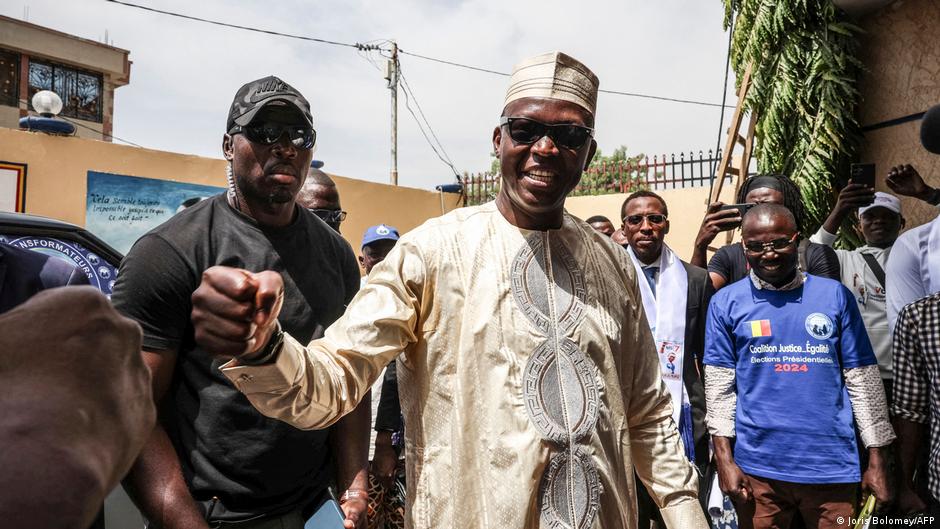
In a significant political move, Chad’s president Mahamat Idriss Déby has granted clemency to several opposition figures, including former Prime Minister Succès Masra and eight other leaders from the GCAP opposition coalition. This decision, announced on June 14, 2026, marks a pivotal moment in the nation’s political landscape, sparking both praise and criticism across the spectrum.
The presidential clemency commutes their prison sentences but stops short of wiping their criminal records or restoring their civil and political rights. Unlike an amnesty, which would fully rehabilitate them, this measure leaves their convictions intact, rendering them ineligible for public office. This nuanced distinction has fueled debate among analysts and politicians alike.
The constitutional limits of clemency
Political analyst Bétinbaye Yamingué emphasizes that the president’s gesture, while commendable, must be viewed within the broader framework of constitutional authority. “The president has exercised his powers to free these figures, but it is now up to Parliament to act. A true commitment to political reconciliation would require legislators to pursue an amnesty law,” he explains. This would ensure these opposition leaders could reintegrate fully into the political arena.
The challenge lies in the composition of Chad’s National Assembly, where the ruling party holds a commanding majority of 124 out of 188 seats. Without cross-party support, any amnesty initiative faces an uphill battle. “Freedom is only the first step. For democracy to thrive, these leaders must regain their full political agency,” Yamingué adds.
Divided reactions across the political spectrum
The announcement has elicited mixed responses. The opposition party Les Transformateurs, led by Succès Masra, has refrained from immediate comment, awaiting his release. However, Ndolembai Sadé Njesada, the party’s vice-president, publicly welcomed the decision, praising the president’s commitment to national unity and expressing hope for further dialogue to foster peace.
In stark contrast, Hissein Abdoulaye, spokesperson for the GCAP coalition, condemned the clemency outright. “Condemning political leaders and later pardoning them without restoring their rights is a severe democratic setback,” he argues. The move, in his view, undermines the very principles of justice and inclusivity.
Meanwhile, the ruling party, the Mouvement patriotique du salut (MPS), has hailed the decision as a positive step, framing it as a humanitarian gesture that will reunite these figures with their families.
Comments are closed, but trackbacks and pingbacks are open.