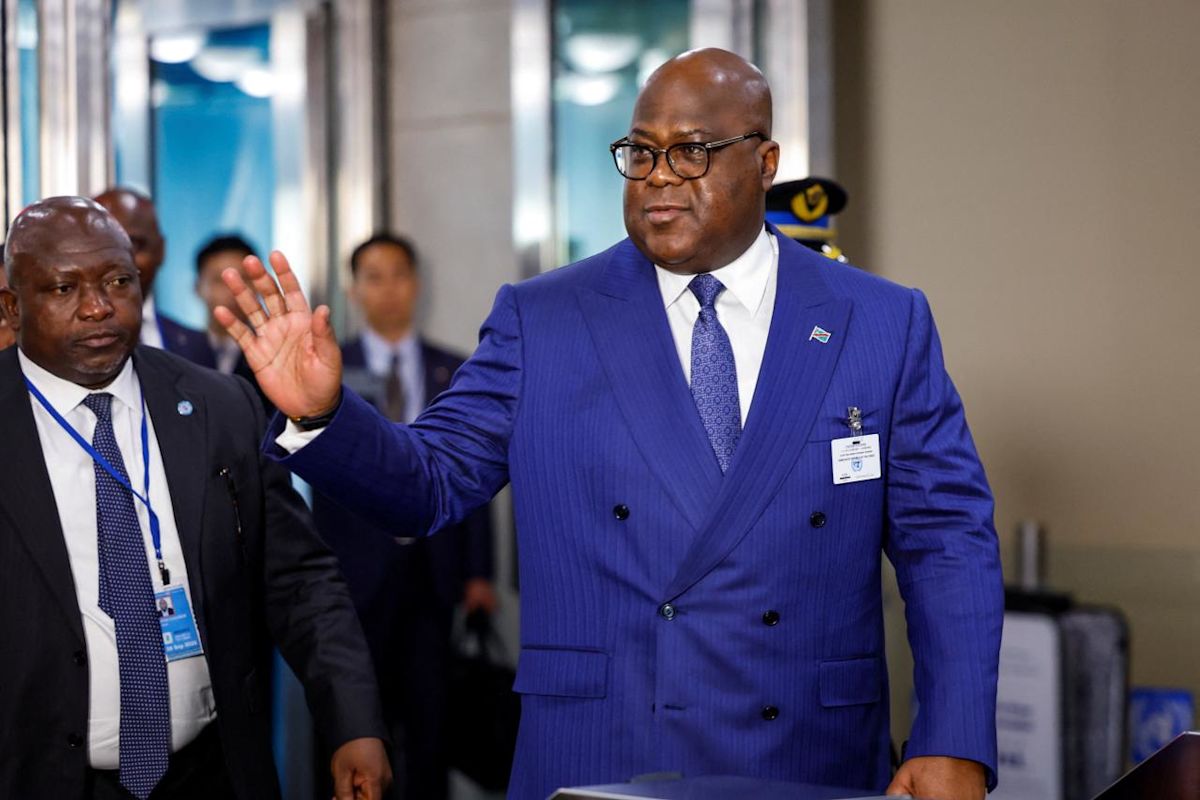
Democratic Republic of Congo: Tshisekedi retreats under opposition pressure
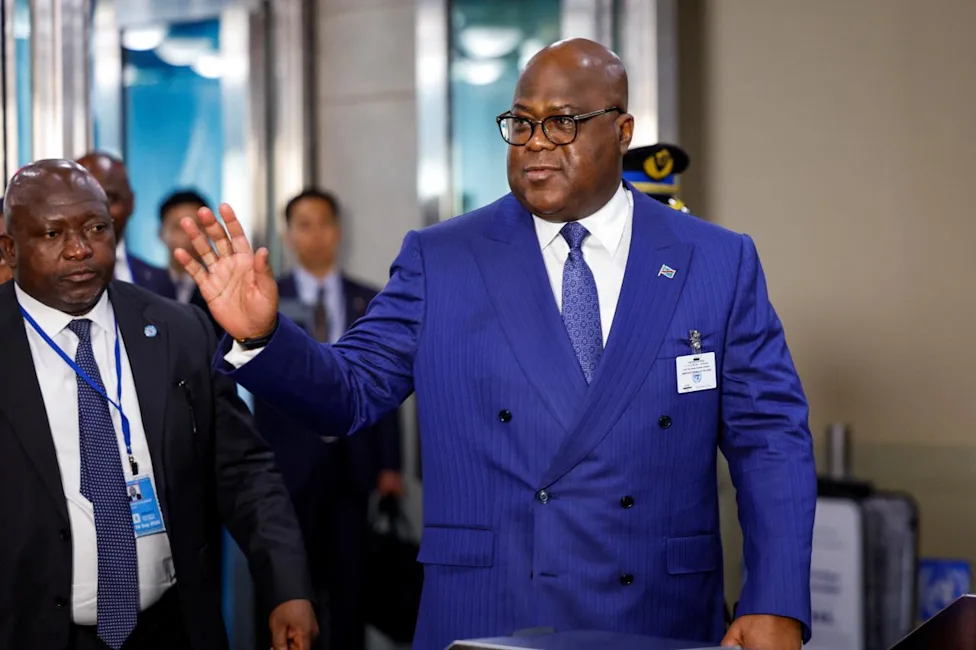
On Thursday, August 13, as tensions escalated in the Democratic Republic of Congo (DRC), President Félix Tshisekedi took a decisive step to defuse a political standoff with the opposition-led Coalition Article 64 (C64). The coalition, formed in May by major opposition parties, had set a “countdown” demanding the withdrawal of a constitutional reform bill that could allow Tshisekedi to run for a third term—a move prohibited by the 2006 Constitution.
The C64, spearheaded by figures like Moïse Katumbi’s Ensemble pour la République, had warned that unless the president engaged in meaningful dialogue, the coalition would escalate pressure through mass mobilizations. Just a day earlier, on August 12, Dieudonné Bolengetenge, the coalition’s secretary-general, declared in Kinshasa that the group would no longer heed calls for restraint and would push for nationwide resistance if Tshisekedi did not act.
The opposition coalition had initially planned a major march in Kinshasa for July 22 but postponed it after appeals from Catholic and Protestant churches in the DRC, which urged political actors to prioritize dialogue over confrontation.
Opposition labels Tshisekedi’s move as a “small step forward”
While Tshisekedi’s decision to seek parliamentary reconsideration of the referendum bill falls short of the coalition’s demands, it has been cautiously welcomed as a “small step in the right direction.” Prince Epenge, co-founder of C64, acknowledged the gesture but emphasized that the coalition would maintain its pressure until the bill is fully withdrawn.
The standoff has drawn widespread concern beyond political circles. On August 10, 65 Congolese civil society organizations submitted a memorandum to President Tshisekedi and national institutions, urging him to abandon the constitutional reform. In their appeal, they warned that such a move could “exacerbate political tensions, deepen social divisions, and divert attention from the nation’s pressing priorities.”
As the deadline for dialogue approaches, the political climate in Kinshasa remains highly charged. The opposition has not ruled out further actions, including renewed protests, if the government does not yield to their demands by the coalition’s self-imposed evaluation date of August 15.
Comments are closed, but trackbacks and pingbacks are open.