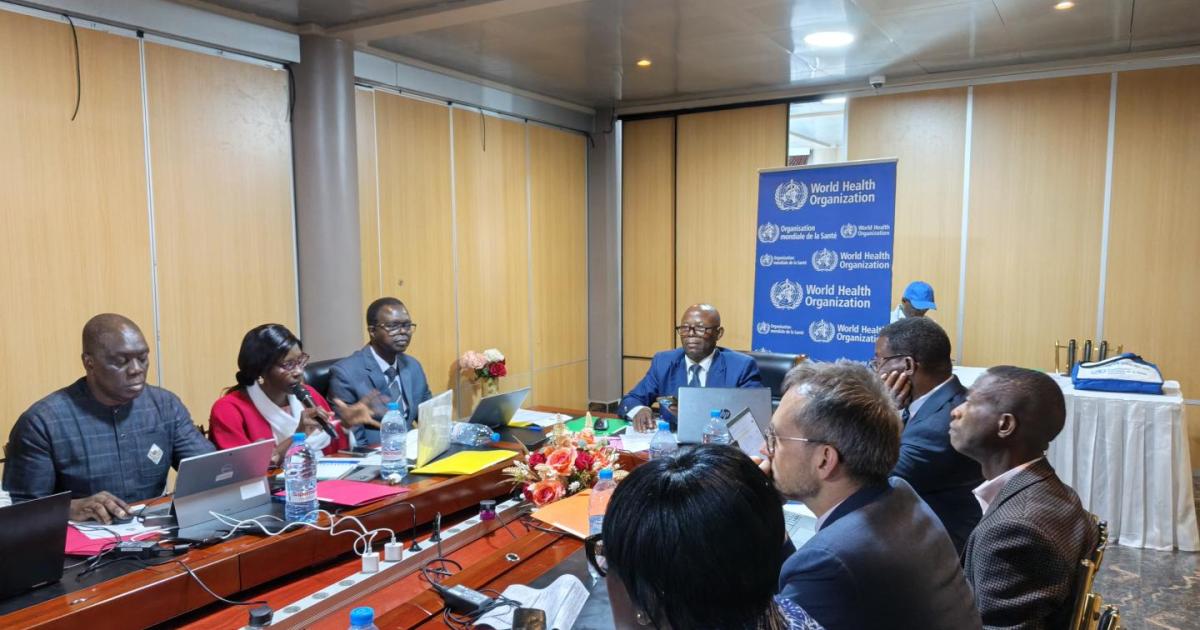
The Power of Fiscal Policy in Public Health: A Groundbreaking Workshop in Mbankomo
Mbankomo, Cameroon — For three intense days, policymakers, health officials, and economic experts shifted their focus from hospital beds to tax ledgers. Yet behind the spreadsheets and fiscal simulations lay a single, life-saving question: How can tax policy transform Cameroon’s health system and protect its people?
Tobacco’s Silent Crisis: A Growing Threat to Public Health
The burden of tobacco in Cameroon remains staggering. With 9% of adults and over 10% of adolescents (13–15 years) smoking, and 37% exposed to secondhand smoke, the health toll is undeniable. Each year, approximately 66,000 deaths are linked to tobacco use, while rising cases of cancer, cardiovascular disease, and chronic respiratory illnesses strain households and public health services.
Despite this crisis, cigarettes remain disturbingly affordable. In 2024, the average retail price of a pack was just $4.07 (PPP-adjusted) — below Africa’s average of $5.06 and the global mean of $6.98. Taxes accounted for only 36% of the price, far short of the 75% minimum recommended by the World Health Organization (WHO).
Why Higher Taxes Save Lives — and Money
Increasing tobacco taxes is one of the most cost-effective ways to reduce consumption, especially among young people. Price sensitivity is high in adolescents, and when cigarettes become less affordable, many choose not to start smoking at all.
But the benefits extend beyond prevention. A well-designed tax policy can generate substantial revenue to strengthen health systems, fund disease prevention programs, and accelerate progress toward Universal Health Coverage (UHC). In other words, every franc collected from tobacco taxes today could save lives tomorrow.
Data-Driven Decisions: Building Reform on Solid Ground
Effective policy requires reliable data. During the workshop, experts analyzed tobacco consumption patterns, economic costs, health impacts, current tax structures, and global best practices. Dr. William Maina, Senior Project Officer at WHO Africa, emphasized that tobacco is a leading cause of preventable death worldwide, contributing to heart disease, stroke, lung disease, and developmental harm in youth.
The discussions dismantled common myths: fears of declining revenue, job losses, or rising illicit trade often cited by opponents of tax hikes. Evidence shows that, with proper design and enforcement, these concerns are unfounded. Smart fiscal reform does not harm the economy — it protects it.
Modeling the Future: What Two Tax Hikes Could Achieve
Using the WHO TaXSiM model, participants simulated the impact of progressive tax increases:
- 2027: Raise the specific excise tax from 5,000 to 10,000 FCFA per 1,000 cigarettes.
- 2028: Increase it further to 15,000 FCFA, applying equally to imported and locally produced cigarettes.
The results were transformative:
- Cigarette sales would drop from 162.9 million packs in 2026 to 131.9 million by 2028 — a 19% reduction.
- Smokers would decrease by 66,000, from 810,000 to 744,000.
- Excise revenue would rise from 15.2 billion FCFA in 2027 to 38.3 billion FCFA in 2028.
- Total tax revenue would grow from 32.6 billion to 57.3 billion FCFA — generating nearly 25 billion FCFA in new funds by 2028.
This is not a trade-off — it’s a win-win. Few policies improve public health and national finances simultaneously.
Funding Health for Generations: Where Will the Revenue Go?
With international health funding declining, domestic revenue from tobacco taxes offers a lifeline. The additional funds could support:
- Expansion of Universal Health Coverage
- Prevention programs for non-communicable diseases
- Smoking cessation services
- Strengthening of health infrastructure
- Health promotion campaigns
This is more than budget balancing — it’s an investment in a healthier future.
New Threats Emerge: Nicotine Products Targeting Youth
The workshop also sounded the alarm on emerging nicotine products disguised as styluses, smartwatches, lipsticks, toys, and even candy. These sleek, high-tech devices are marketed directly to adolescents using sophisticated strategies.
A shocking video demonstration showed a teenager using a vape hidden inside a smartwatch. The message was clear: these products are not harmless. They create addiction, expose users to toxic substances, and risk normalizing nicotine use among youth.
Experts urged immediate regulatory and fiscal action to prevent these products from gaining a foothold in Cameroon.
Eight Key Reforms to Transform Tobacco Policy
At the close of the workshop, participants endorsed a comprehensive reform agenda:
- Progressive increase of the specific excise tax to 15,000 FCFA per 1,000 cigarettes by 2028.
- Uniform tax application to all tobacco products, regardless of origin.
- Strengthened regional dialogue within CEMAC on excise policies.
- Creation of a national technical task force on tobacco taxation.
- Establishment of a permanent monitoring and evaluation system.
- Improved availability and transparency of fiscal and commercial data.
- Fast-tracking the creation of a National Tobacco Control Fund.
- Implementation of a national traceability system for tobacco products.
They also called for intensified public awareness campaigns, support for tobacco farmers in transitioning to alternative crops, and full implementation of the Protocol to Eliminate Illicit Trade in Tobacco Products.
A Shared Vision for Cameroon’s Future
Dr. Colette Taka Joro, Permanent Secretary of the National Committee Against Drugs, stressed the need for high-level dialogue with government and parliament to accelerate reform adoption. “The future of our youth depends on decisive action today,” she said.
In closing, Dr. Hassan Ben Bachir, Director of Health Promotion at the Ministry of Public Health, framed the workshop’s legacy:
« Tobacco taxation is not just about revenue. It’s an investment in people. By protecting young people from starting to smoke and securing sustainable financing for our health system, we are investing in the future of Cameroon. The recommendations from this workshop provide a clear roadmap to turn science into policy for the benefit of all. »
In Mbankomo, a consensus emerged: tobacco tax reform is not a fiscal issue. It’s a public health imperative, an economic opportunity, and a moral obligation to protect the next generation.
Behind every tax increase lies the promise of healthier families, stronger communities, and a resilient health system. Cameroon now has the tools to turn that promise into reality.
Comments are closed, but trackbacks and pingbacks are open.