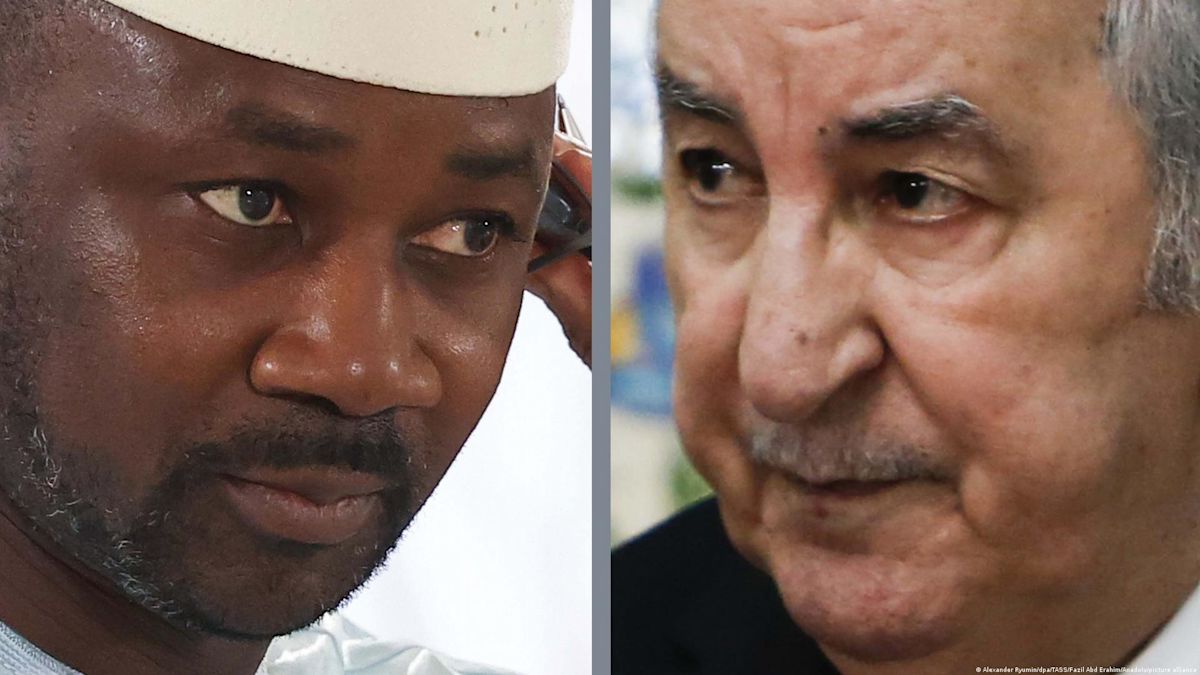
Diplomatic thaw between Mali and Algeria sparks regional stability hopes
A year after tensions peaked between Bamako and Algiers, new diplomatic signals suggest a potential easing of hostilities. The crisis originated in April 2025 when Algerian forces intercepted and destroyed a Malian drone, alleging airspace violations. Mali strongly denied the accusation and responded by closing its airspace to Algeria—a move that affected one of the longest borders in West Africa, stretching over 1,300 kilometers.
By early July, both nations announced steps toward reconciliation. Among the measures was the reinstatement of ambassadors and the reopening of their respective airspaces. In a further sign of thawing relations, Algerian Prime Minister Sifi Ghrieb extended an invitation to his Malian counterpart for an official visit during a recent phone call.
Regional security and the Sahel’s fragile stability
Sociologist Mohamed Amara highlighted the broader implications of the rapprochement. “This thaw is not just about two countries—it’s about restoring stability across the Sahel,” he noted. With Mali, Niger, and Burkina Faso facing persistent threats from armed groups, the timing of renewed dialogue could not be more critical.
For Algeria, the stakes are clear: preventing further deterioration of regional security and preserving its influence in West Africa. Despite not being directly affected by the violence plaguing the Gulf of Guinea, Algiers recognizes that instability anywhere in the Sahel poses long-term risks to its own security.
Algeria’s partnership with Russia adds another layer to the equation. Moscow remains a key security ally for both nations, and any shift in regional dynamics could reshape power balances in the Sahel.
What does Mali stand to gain?
Amara outlined two key benefits for Mali:
- Securing the border: Preventing militant groups from using Algeria as a rear base or smuggling route.
- Reopening dialogue: Renewed talks with armed factions, including those from the Azawad region, could pave the way for lasting political stability.
A shift in geopolitical balance?
While fundamental power structures in the Sahel have remained unchanged since 2020, this thaw may signal a subtle but meaningful shift. Algeria’s re-entry into regional diplomacy—and Russia’s continued role as a trusted partner—could redefine alliances and influence in the years ahead.
Comments are closed, but trackbacks and pingbacks are open.