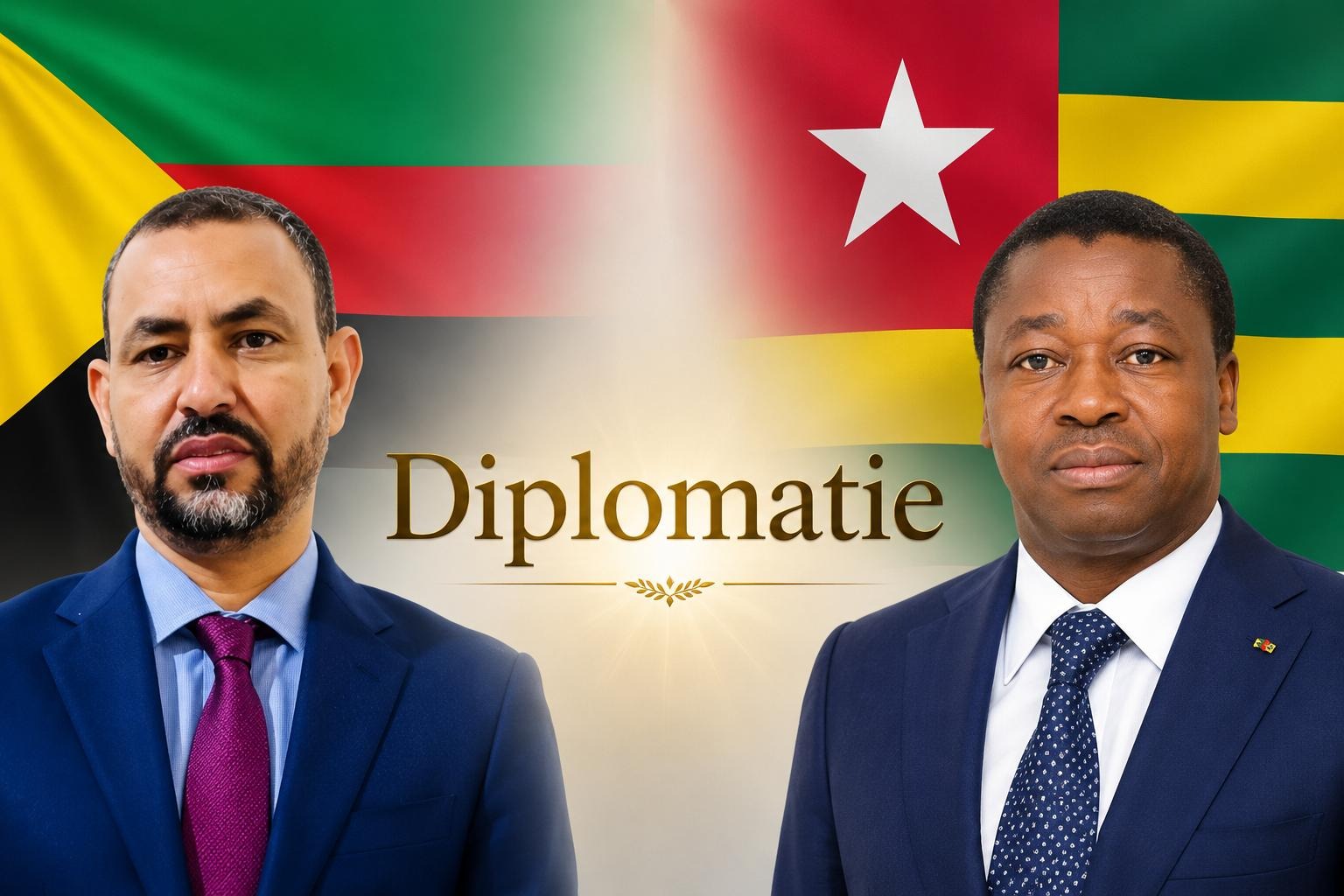
In the ever-shifting landscape of West African diplomacy, Lomé is on the verge of making a bold strategic move. High-ranking sources confirm that Togolese authorities are preparing to officially recognize the Front de Libération de l’Azawad (FLA), a dissident movement challenging Bamako’s control over northern Mali. As the FLA gears up for a high-stakes regional tour, President Faure Gnassingbé reaffirms his role as an unconventional mediator, further distancing Togo from the rigid stances of the Economic Community of West African States (ECOWAS).
FLA’s West African tour: Lomé as the diplomatic springboard
The Front de Libération de l’Azawad (FLA) is stepping out of the shadows, shifting from clandestine operations to open diplomatic engagement. This armed and political movement, which rejects Mali’s central authority over the Azawad region, is launching a charm offensive across West Africa to secure international legitimacy and break free from Bamako’s imposed isolation.
The choice of Lomé as the first or central stop on this tour is far from coincidental. The FLA’s envoys are seeking receptive leaderships willing to amplify their calls for autonomy or sovereignty. By agreeing to host this delegation and considering formal recognition, Togo positions itself at the heart of a shifting geopolitical equation, where traditional alliances no longer hold sway.
Faure Gnassingbé’s ‘straddling diplomacy’: pragmatism over conformity
For those familiar with Togolese politics, this move aligns with a long-standing, albeit controversial, diplomatic doctrine. President Faure Gnassingbé has repeatedly demonstrated a preference for alternative dialogue channels over rigid institutional stances. While neighboring leaders often enforce blanket policies, Togo’s approach leans toward engagement with dissenting voices.
The potential recognition of the FLA is a textbook example of this strategy: Lomé refuses to toe the line of conventional diplomacy, opting instead to act as an indispensable intermediary—even if it means challenging established norms that have long governed regional relations.
From AES to FLA: Togo’s unwavering support for political fractures
This pragmatic—or opportunistic, as critics argue—stance reached its peak during the recent Sahelian crises. When military coups unfolded in Mali, Burkina Faso, and Niger, ECOWAS responded with harsh sanctions and a policy of isolation. Togo took the opposite route, positioning itself as the primary diplomatic hub for the Alliance of Sahel States (AES) juntas. By mediating between Bamako’s colonels and Niamey’s generals, Lomé undermined ECOWAS’s united front.
Now, by welcoming the FLA, Togo applies the same playbook to a rebel group fighting Bamako. This apparent contradiction underscores a consistent strategy: Lomé aims to be the indispensable gateway for all transitions and rebellions shaping the region’s future.
Regional repercussions: a gamble with high stakes
The impending recognition of the FLA is poised to strain Togo’s diplomatic ties across West Africa. For Mali’s transitional government, Lomé’s move is seen as a direct interference in internal affairs—a potential boost to destabilizing forces within its borders.
Within ECOWAS, already weakened by the Sahelian schism, Togo’s initiative risks further fracturing the bloc’s solidarity. By acting independently, Lomé signals that the region’s long-held principles—such as non-interference and border inviolability—are giving way to a more fluid, interest-driven geopolitical reality.
As Lomé prepares to recognize the FLA at the start of its regional tour, the Togolese capital reaffirms its reputation as a diplomatic testing ground for West Africa. Faure Gnassingbé’s approach remains clear: anticipate fractures, engage with international pariahs, and position Togo as a bold yet neutral mediator. The question now is whether this policy of extending a hand to dissidents will elevate Togo’s influence or leave it increasingly isolated in a region growing more divided by the day.