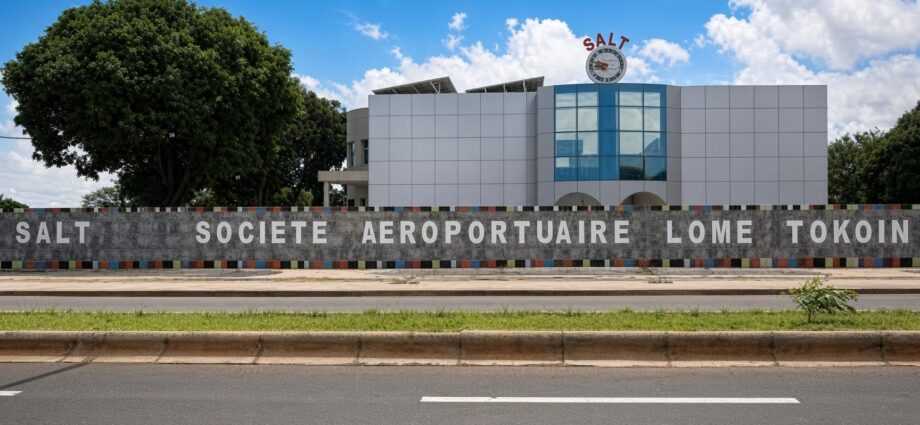
In a decisive move to salvage its international reputation and operational standards, the Togolese government is set to hand over the commercial management of Lomé’s international airport to a French retail giant. The decision follows a series of embarrassing failures by the Société aéroportuaire de Lomé-Tokoin (SALT), culminating in a widely publicized sanitation disaster that exposed systemic mismanagement.
From crisis to concession: Why Lagardère Travel Retail stands to gain
September 2026 marked a turning point for the Aéroport International Gnassingbé-Eyadéma (AIGE), when a catastrophic sewage overflow in the departure hall sent a wave of untreated waste cascading through passenger areas. What officials initially dismissed as a “minor technical glitch” quickly escalated into a viral scandal, with images circulating widely online and sparking outrage from travelers and airlines alike.
The incident served as the final proof that SALT’s decades-old infrastructure and management practices were ill-equipped to meet international aviation standards. With pressure mounting from both domestic and global stakeholders, authorities conceded that the public agency lacked the resources and expertise to restore confidence in the airport’s operations. Enter Lagardère Travel Retail, a French leader in global airport retail, poised to take over commercial concessions including duty-free zones—a move slated to modernize service delivery and reinstate the airport as a key logistics hub.
Modernization trade-off: Speed vs. sovereignty concerns
The Togolese administration faces a delicate balance between urgency and autonomy. By partnering with Lagardère, backed financially by the Hachette and Bolloré groups, the State prioritizes operational efficiency and global compliance over long-term national control of commercial revenue streams.
While the agreement promises rapid upgrades—from streamlined passenger flows to upgraded retail standards—critics warn that concessions could favor multinational brands over local businesses. Concerns focus on potential sidelining of Togolese artisans and small enterprises in favor of established international retailers, raising questions about equitable development benefits.
Lagardère’s challenge: Rebuild trust and deliver results
For Lagardère Travel Retail, the stakes are high. The company must not only overhaul the airport’s sanitation and infrastructure within tight deadlines but also demonstrate that the partnership can generate shared value. Success would position AIGE as a model of modern African aviation, while failure risks prolonging reputational damage and further economic losses.
With regional competitors like Côte d’Ivoire and Sénégal expanding their own airport hubs, Togo’s move reflects a high-stakes gamble: sacrificing partial sovereignty today to secure long-term strategic relevance and economic growth.
Comments are closed, but trackbacks and pingbacks are open.