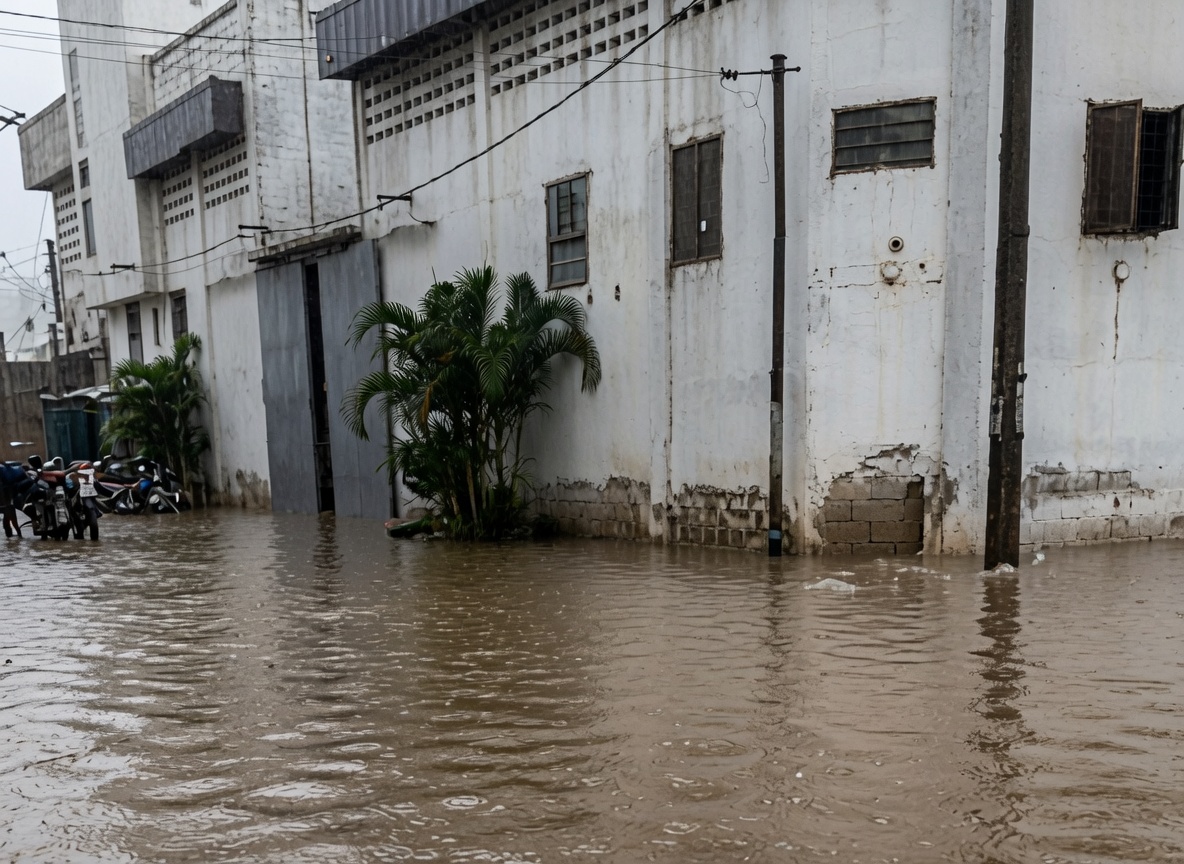
The onset of each rainy season in Togo invariably brings a familiar pattern of challenges. Thoroughfares become impassable, residential districts are inundated, homes are swamped by floodwaters, and households are left to manage the significant damage independently. For many Togolese citizens, these environmental calamities are no longer rare occurrences but have solidified into an almost routine aspect of life.
Following over six decades of leadership by the Gnassingbé family, a segment of the populace believes that Togo is deserving of a fresh political trajectory. Despite numerous assurances made over the years, the daily struggles persist: elevated unemployment rates, a continuously escalating cost of living, entrenched poverty, and constrained future prospects, particularly for the younger generation.
The advent of seasonal rains also reignites scrutiny regarding the nation’s infrastructure. In numerous urban areas, drainage systems prove inadequate, rendering roads impassable with alarming speed, and resulting in substantial material losses due to flooding. A significant portion of the citizenry vocalizes concerns over the insufficient long-term investment in public amenities designed to mitigate these recurrent disasters.
Within this prevailing climate, prominent figures from the opposition and civil society levy accusations against the government, alleging a preference for the interests of a regime-aligned elite, even as the economic hardships facing the broader population continue to intensify. They contend that public funds ought to be primarily directed towards enhancing living standards, fostering infrastructure development, generating employment opportunities, and safeguarding the most susceptible segments of society, rather than sustaining a political framework that has been in place for decades.
Many observers anticipate that this latest rainy season will regrettably fail to deliver the anticipated respite. Instead, it is poised to underscore, yet again, the deficiencies in public policies concerning urban planning and hazard mitigation. Absent comprehensive reforms and appropriately tailored investments, the most economically disadvantaged families will inevitably bear the disproportionate burden of these consequences.
As these myriad challenges compound, an increasing segment of public opinion holds that the nation requires a fundamental overhaul of its governance structure to more effectively address the social, economic, and environmental aspirations of the Togolese people.
Comments are closed, but trackbacks and pingbacks are open.