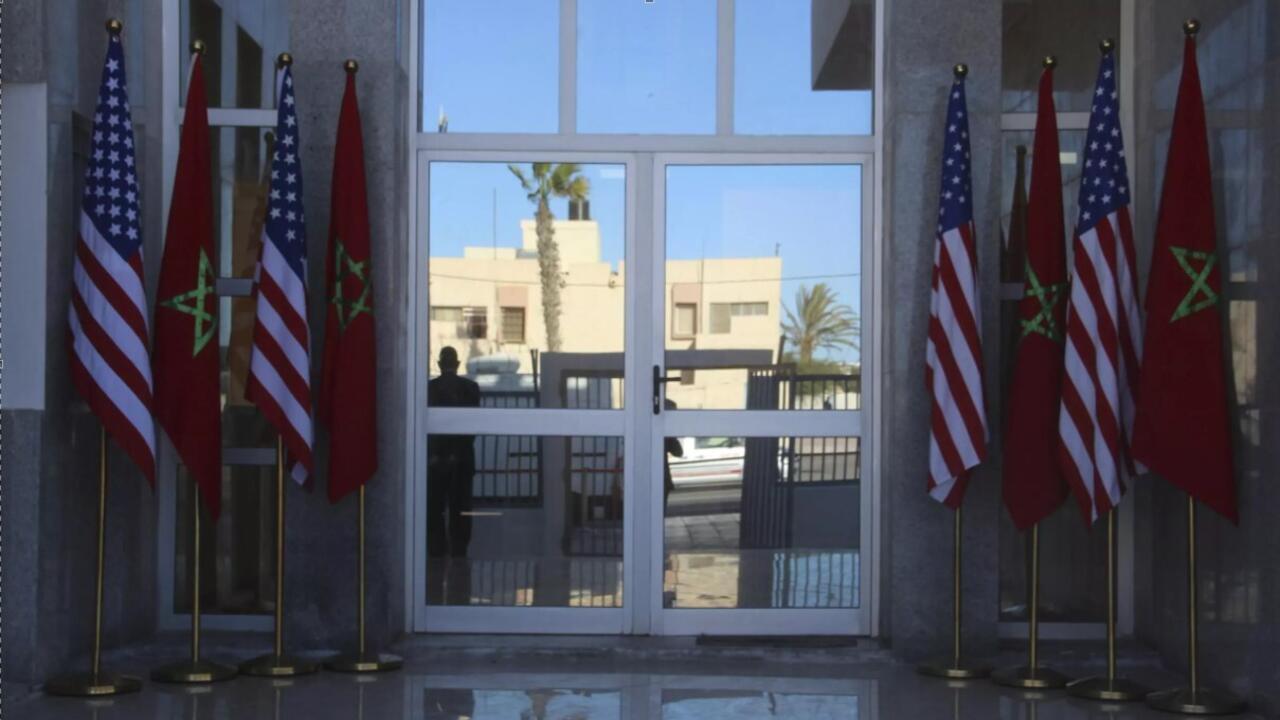
The diplomatic landscape between Morocco and the United States has shifted dramatically in recent weeks, with Washington signaling unprecedented support for Rabat’s territorial ambitions. Since late July, US officials have intensified both economic and political gestures toward Morocco, underscoring a strategic alignment that extends beyond traditional alliances.
In 2020, the Trump administration’s recognition of Morocco’s autonomy plan for Western Sahara marked a turning point, tying it to the Moroccan–Israeli normalization deal. Now, Washington appears poised to extend its backing to Morocco’s claims over Ceuta and Melilla, two Spanish enclaves on the African continent. This move comes as Spain faces mounting pressure, with tens of thousands of Moroccan nationals and sub-Saharan migrants crossing into Ceuta in a single week, testing Madrid’s border control.
Geopolitical stakes in North Africa
The evolving US posture reflects broader geopolitical calculations in North Africa. Morocco senses a rare window of opportunity to consolidate its regional influence, leveraging its status as a key US ally. Analysts suggest that the timing—amid a transition in Washington—could not be more opportune for Rabat to secure lasting diplomatic victories.
The recent surge of cross-border movements into Ceuta has further complicated Spain’s position, with authorities scrambling to manage the influx. While the immediate humanitarian and security challenges dominate headlines, the underlying tensions touch on long-standing territorial disputes and migration pressures that have simmered for decades.
Why Ceuta and Melilla matter to Morocco
Ceuta and Melilla, though small in size, hold strategic significance for Morocco. Historically, Rabat has viewed their occupation by Spain as an anachronism, dating back to colonial-era agreements. The enclaves’ proximity to Morocco’s northern coast and their role as gateways for migration have made them flashpoints in bilateral relations.
Moroccan officials have repeatedly asserted that the enclaves are integral to their national sovereignty. With US backing, Rabat may now push harder for diplomatic recognition of its claims, potentially reshaping the dynamics of North African geopolitics.
Implications for regional stability
The shifting sands of US-Moroccan relations carry implications far beyond bilateral ties. As Washington pivots toward Rabat, other regional players—including Algeria and Spain—are recalibrating their strategies. The Western Sahara conflict, already a decades-old sore, could see renewed international involvement, while the status of Ceuta and Melilla may emerge as a new flashpoint in African-European relations.
The coming months will reveal whether Morocco can translate diplomatic momentum into tangible gains. For now, the message from Rabat is clear: the moment for securing US support on its territorial claims has arrived.
Comments are closed, but trackbacks and pingbacks are open.