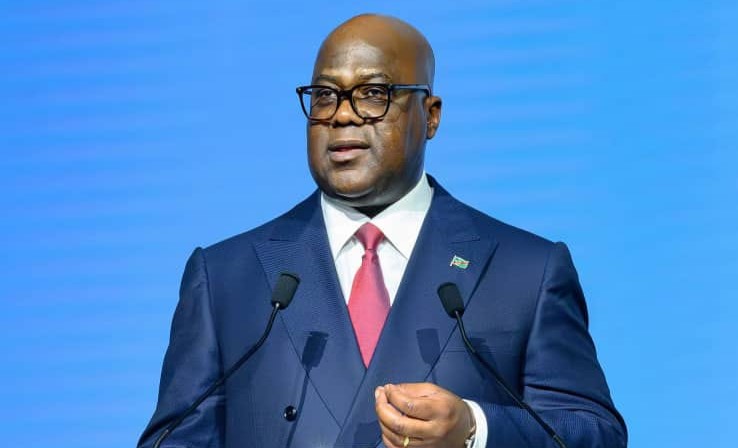
Standing before a gathering of heads of state, water experts, and development partners in Chad’s capital, the Democratic Republic of the Congo’s president underscored his nation’s vast but underutilized water resources. While highlighting the country’s hydrological potential, he emphasized the urgent need to turn this natural wealth into tangible benefits for ordinary citizens.
Ambitious national targets to reshape public health and education
Beyond ensuring clean drinking water, Kinshasa has set its sights on broader sanitation goals. By 2035, authorities aim to secure access to basic water, sanitation, and hygiene services for 50 percent of the population. This dual strategy is designed to curb waterborne diseases and elevate living standards across urban and rural communities alike.
Education and healthcare infrastructure are also central to the plan. Within the same timeframe, officials intend to provide reliable water and sanitation access in 80 percent of schools and health facilities. The goal is clear: safer learning environments for children and improved care conditions for patients nationwide.
Our focus is on delivering reliable water, sanitation, and hygiene services to 80 percent of schools and health centers—spaces where public well-being is most critical and most vulnerable.
To finance these ambitions, the government is mobilizing every available resource. Public funds, private investment, and international partnerships will all play a role in bridging the infrastructure gap and ensuring no community is left behind.
Five pillars to revolutionize water management continent-wide
Speaking to African leaders, the Congolese president outlined a five-point roadmap to address water sector challenges across the continent:
- Policy integration: Aligning national strategies with regional frameworks to create unified action.
- Stronger governance: Building transparent, accountable institutions to manage water resources effectively.
- Investment-ready projects: Preparing technically sound and financially structured plans to attract capital.
- Domestic production: Expanding local manufacturing of pipes, pumps, treatment systems, and digital solutions to cut import costs and spur industrial growth.
- Sustainable financing: Developing bankable initiatives that secure long-term funding for water infrastructure projects.
He stressed that Africa must no longer rely solely on imported equipment. Instead, the continent should cultivate its own industry capable of producing essential water technologies—from irrigation systems and flow meters to advanced treatment solutions. Such a shift would not only reduce dependence on foreign suppliers but also create jobs and stimulate economic expansion.
A robust industrial base, he argued, must go hand in hand with strategic planning. Only well-structured, financially viable projects can unlock the investment needed to transform Africa’s water landscape—ushering in an era of greater access, stronger governance, and sustainable growth.
Comments are closed, but trackbacks and pingbacks are open.