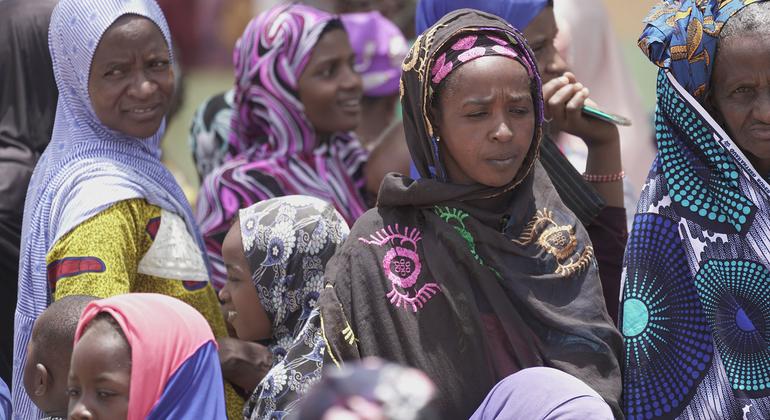
The United Nations Committee on the Elimination of Racial Discrimination has raised alarm over escalating human rights violations targeting the Fulani community in Burkina Faso. Independent investigators report a disturbing surge in extrajudicial killings, torture, arbitrary detentions, abductions, and enforced disappearances during counter-terrorism operations in the Sahel region, exposing a troubling pattern of repression and targeted violence.
systematic violations and ethnic profiling
The UN committee highlighted that these abuses are frequently carried out by national armed forces, internal security units, allied militia groups—including the Volunteers for the Defense of the Homeland—and non-state armed factions. A particularly concerning trend is the systematic ethnic profiling of Fulani individuals by defense forces, civil defense volunteers, and members of the Brigade civique pour l’ordre et la discipline (known as Brigade Laabal).
These violations are often justified by baseless allegations linking Fulani communities to terrorist organizations, fueling further discrimination and violence. The committee emphasized that such profiling not only violates international human rights standards but also exacerbates tensions and undermines social cohesion in the region.
hate speech and incitement to violence
A toxic environment of hate speech, discriminatory rhetoric, and online incitement to violence has emerged, particularly on social media platforms. The UN experts have documented calls for criminal acts, including murder, against Fulani individuals, warning that such rhetoric directly contributes to racially motivated attacks and hate crimes. Addressing this dangerous trend requires immediate government intervention to curb inflammatory narratives and protect vulnerable communities.
The committee urgently called on Burkina Faso to launch thorough, impartial, and independent investigations into all allegations of abuse involving state security forces and their affiliates. Perpetrators must be held accountable through fair trials and appropriate sanctions. Beyond punitive measures, the UN body stressed the need for preventive legal reforms to eliminate ethnic and racial discrimination.
Among its recommendations, the committee urged the Burkinabè government to explicitly criminalize racial and ethnic profiling in national legislation, ensuring alignment with international human rights norms. It also called for the implementation of binding operational guidelines for law enforcement agencies to prevent discriminatory practices during identity checks, crowd control, and security operations.
government response and ongoing tensions
Burkina Faso has firmly rejected the UN committee’s findings, asserting that its counter-terrorism operations comply with national and international law and do not target any specific ethnic group. Sabine Bakyono Kanzie, Permanent Representative of Burkina Faso to the UN Office in Geneva, stated that security efforts are conducted with strict adherence to human rights principles.
The government pointed to existing complaint mechanisms, community policing initiatives, and training programs for defense and security personnel aimed at preventing stigmatization. It also highlighted the ethnic diversity within state institutions, including the presence of Fulani representatives in leadership roles within the armed forces and government.
Despite these claims, concerns persist over the effectiveness of current safeguards and the real impact of security operations on Fulani communities. The UN committee’s observations underscore the need for transparent dialogue and concrete actions to restore trust and ensure justice for victims of abuse.