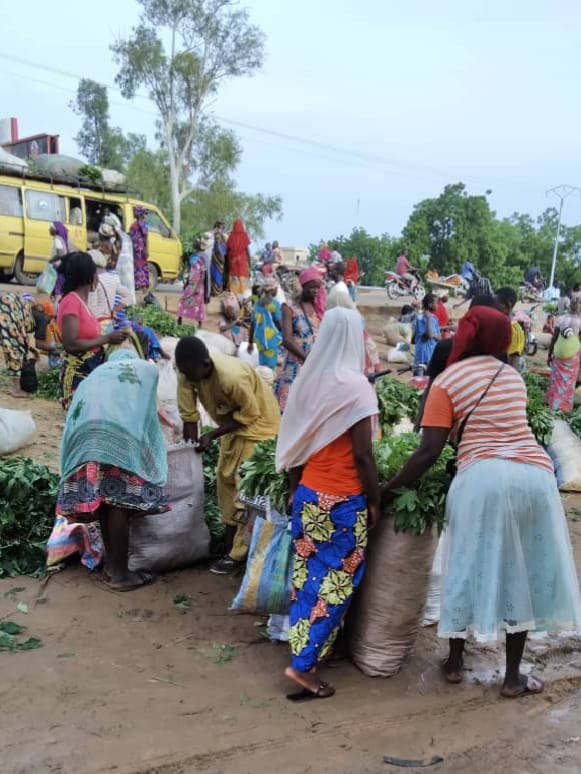
In N’Djamena, the capital of Chad, the fight against urban disorder has become a pressing challenge, exposing a deep dilemma: tackling entrenched poverty to ensure lasting solutions rather than temporary crackdowns.
When urban regulation meets poverty
The municipal authorities of N’Djamena have adopted a zero-tolerance stance toward urban disorder. Illicit street occupations, visible begging, and misconduct by some security personnel have prompted authorities to launch a strict urban regulation campaign aimed at restoring public order and modernizing the cityscape.
On the surface, this approach appears justified. No city can thrive in chaos, and the demand for an orderly urban environment is entirely reasonable. However, the deeper question remains: Can disorder be truly eradicated without addressing its root causes?
The reality on the streets tells a more complex story. For many in N’Djamena, the public space is not merely a site of rule-breaking—it is a lifeline. Informal vendors, beggars, and unemployed youth often occupy the streets not out of defiance but out of necessity. Behind the headlines of urban disorder lies a harsh truth: poverty.
The limits of repression without solutions
Relying solely on punitive measures risks treating symptoms rather than solving the problem. Clearing streets of illegal occupations without providing economic alternatives, or tightening controls without a robust social safety net, only displaces the issue rather than resolving it.
Urban modernization cannot be achieved through sweeping clean-ups or public discipline campaigns alone. It requires a holistic approach—one that creates opportunities, regulates informal sectors, fosters employment, and supports vulnerable populations.
A strict zero-tolerance policy may create the illusion of order, but an order enforced without inclusion is fragile and unsustainable. As long as structural poverty persists, the streets will remain a refuge for those struggling to survive.
Beyond repression: the path to sustainable urban development
The real challenge for N’Djamena is not how to eliminate urban disorder but how to transform the social conditions that make it inevitable. The city’s future depends on addressing poverty at its core, not just managing its visible consequences.
Until then, the streets will continue to speak for those who have no other voice.