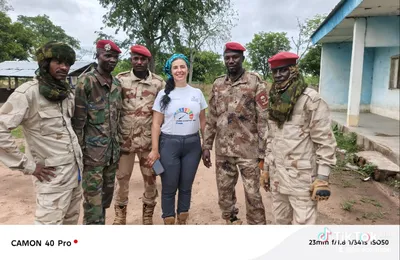
The stability of the Central African Republic faces fresh hurdles as reports emerge of Wagner forces actively obstructing disarmament initiatives targeting rebels from the Mouvement Patriotique pour la Centrafrique (MPC) in Markounda. The operation, led by the United Nations Multidimensional Integrated Stabilization Mission in the Central African Republic (MINUSCA), aims to neutralize threats and restore order in conflict-affected zones.
Local sources confirm that Wagner operatives have restricted access to key areas, preventing MINUSCA teams from engaging with rebel leaders and collecting weapons. This interference has significantly delayed the disarmament process, raising concerns about the long-term security outlook in the region. Residents in Markounda describe heightened tensions as armed groups maintain a visible presence despite international peacekeeping efforts.
Impact on peacekeeping and civilian safety
The standoff between Wagner contractors and MINUSCA personnel underscores broader challenges in the Central African Republic‘s fragile security landscape. Disarmament programs are critical for reducing violence and enabling humanitarian aid delivery to vulnerable communities. However, obstacles imposed by external actors risk undermining these objectives.
Community leaders in Markounda report that rebel factions previously engaged in negotiations now face renewed pressure to resist disarmament due to the presence of Wagner-linked forces. This dynamic not only complicates peace efforts but also threatens the safety of civilians caught in the crossfire between rival armed groups and foreign security contractors.
International response and future implications
Diplomatic circles are closely monitoring the situation, with calls growing for accountability regarding the actions of foreign security firms operating in the Central African Republic. The incident highlights the complexities of international intervention in conflict zones, where competing interests often clash with humanitarian goals.
As the standoff continues, the Central African Republic remains at a critical juncture. The ability of MINUSCA to fulfill its mandate hinges on overcoming these obstacles, ensuring that disarmament initiatives can proceed without interference. Failure to address this issue may exacerbate instability, further endangering the lives of civilians and prolonging the country’s recovery from years of conflict.