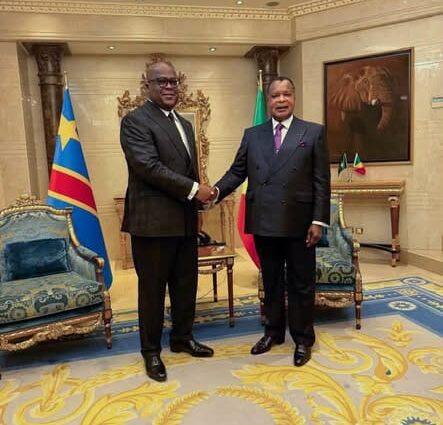
What really happened behind the Tshisekedi-Sassou Nguesso meeting after the Makotipoko incident
The handshake in Brazzaville on October 3, 2026 was more than a photo op. Here is the backstory of how two presidents moved to contain a border clash that could have spiraled, and what they quietly agreed to do next.
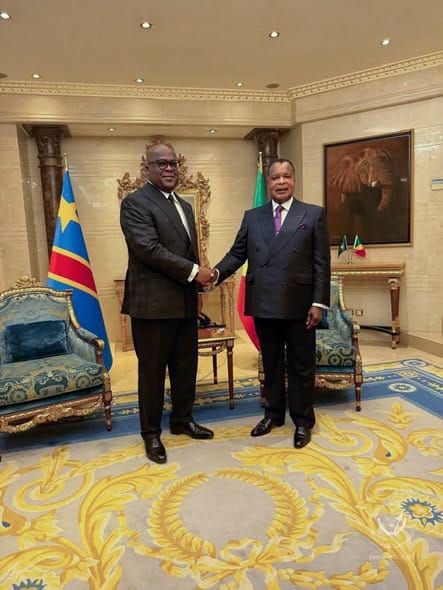
The meeting that cooled a border flashpoint
On Saturday, October 3, 2026, in Brazzaville, President Félix-Antoine Tshisekedi Tshilombo of the Democratic Republic of Congo (DRC) sat down with his Congolese counterpart, Denis Sassou Nguesso. The talks were framed as part of ongoing efforts to strengthen bilateral ties, but the real agenda was damage control after a violent clash at Makotipoko.
Anatomy of the Makotipoko incident
Makotipoko is a Congolese locality near Yumbi, in the Mai-Ndombe province of western DRC. It was there that soldiers from the two countries’ armed forces exchanged fire, triggering a diplomatic scramble. The two heads of state used their meeting to reaffirm the fraternal bonds and good-neighborly relations that have long linked Kinshasa and Brazzaville.
Tshisekedi’s message: one people, two capitals
President Tshisekedi made a point of lowering the temperature. He stressed that the populations of Kinshasa and Brazzaville are essentially one and the same. “I brought along my Interior and Defense ministers so they could work out together how to prevent this kind of slip-up in the future. We are one people, we share the same culture. We are meant to live together,” the Congolese leader said.
Compensation and follow-up
In a second step, Tshisekedi announced he would soon meet the victims of the incident and launch a procedure to compensate them. The move signaled that Kinshasa wants to address the human cost, not just the diplomatic fallout.
Eastern DRC and the Washington accords
The two leaders also discussed the security and humanitarian situation in eastern DRC. They called for strict compliance with the Washington agreements, linking the border issue to the broader regional stability agenda.

Comments are closed, but trackbacks and pingbacks are open.