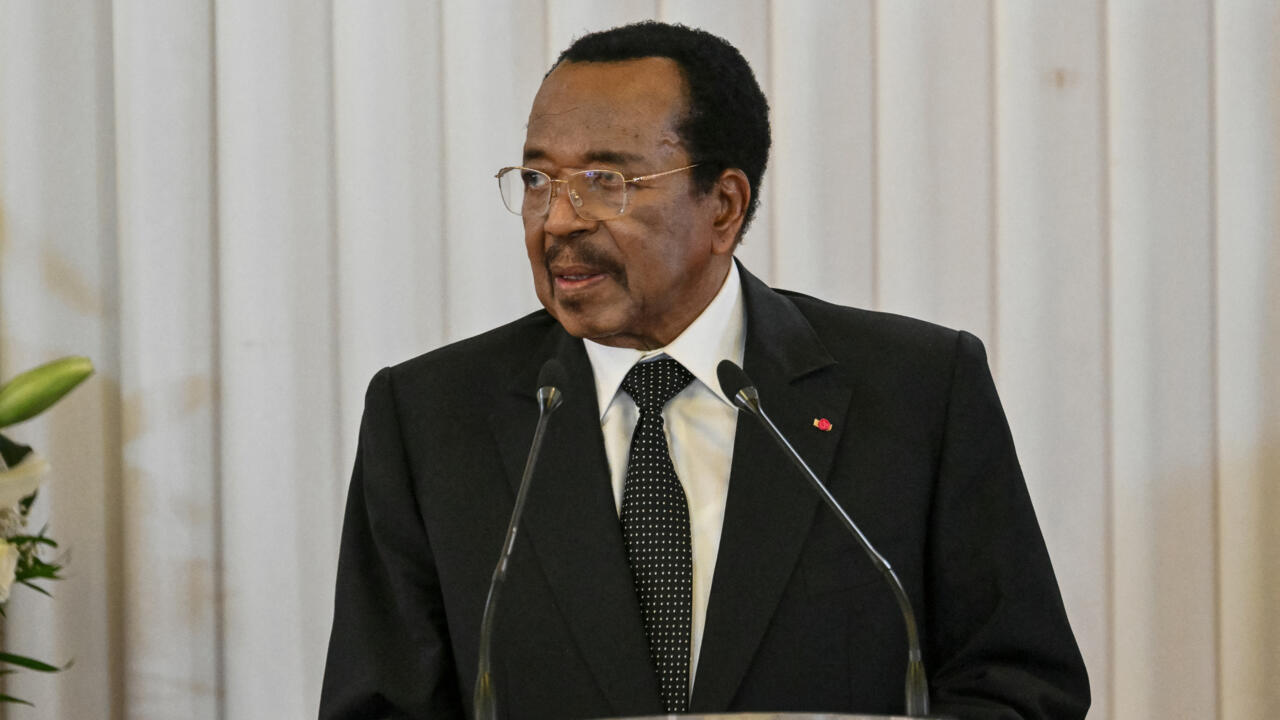
Cameroon’s Head of State, President Paul Biya, has not been seen in public since June 7, when Cameroon Tribune reported his departure for a “short private stay in Europe.” More than 50 days later, no further details have emerged regarding his exact whereabouts or return date, despite his advanced age of 93. The prolonged absence, coupled with the government’s lack of transparency, has fueled speculation and concerns about the continuity of state affairs.
Opposition parties have raised strong objections, describing the situation as a “power vacuum,” “autopilot governance,” or a cabinet operating in “remote work mode.” These characterizations underscore growing unease about the potential consequences of such an extended absence on national decision-making.
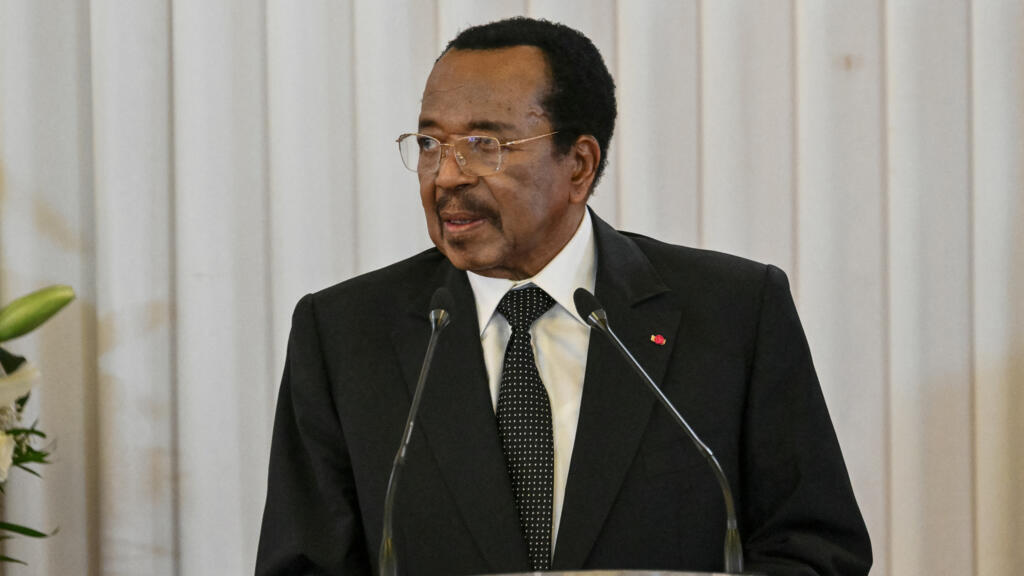
Constitutional provisions and political implications
Under Cameroon’s Constitution, prolonged presidential absence raises critical questions about the mechanisms for ensuring governance continuity. What safeguards does the legal framework provide when the Head of State is unavailable for an extended period? Could this absence lead to bottlenecks in managing vital national files, particularly at a time when the country faces pressing socio-economic and security challenges?
Analysts point out that the ambiguity surrounding the President’s whereabouts and the government’s silence have intensified public anxiety. While the Constitution outlines procedures for temporary presidential delegation, the lack of clarity only deepens the sense of uncertainty among citizens and political stakeholders alike.
Opposition voices and calls for accountability
Political opponents have been vocal in their criticism, framing the situation as a deliberate attempt to sidestep constitutional obligations. The absence of credible updates has only emboldened theories of a hidden power play or a deliberate strategy to maintain opacity in governance. As the days pass without answers, the pressure mounts for the government to address these concerns transparently and reassure the nation of its stability.