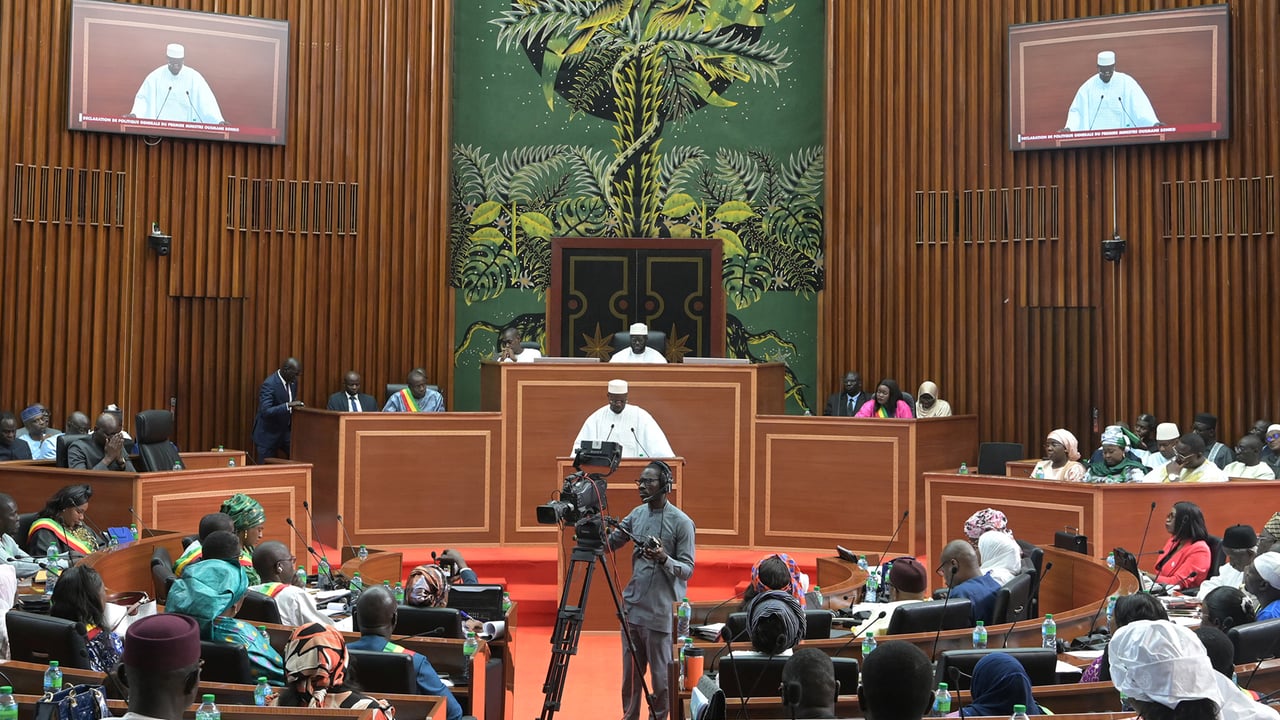

The debate over Senegal’s special funds has intensified after Prime Minister Ousmane Sonko declared his government’s intention to revoke a controversial amnesty law passed under former President Macky Sall. This law, which shielded individuals involved in political violence from prosecution, has sparked widespread discussions about transparency and accountability in governance.
At the heart of the controversy lies the question: should these discretionary funds remain shielded from public scrutiny? Advocates for secrecy argue that confidentiality is essential to protect sensitive security and diplomatic operations. However, critics contend that without oversight, such funds risk misuse, undermining public trust in institutions.
Balancing confidentiality and accountability
The Senegalese government’s decision to challenge the amnesty law reflects broader concerns about governance and justice. The funds in question, often allocated for crisis management or confidential missions, operate outside standard budgetary controls. While their secrecy may be justified in certain contexts, the lack of transparency fuels speculation and erodes confidence in leadership.
Prime Minister Sonko’s announcement signals a potential shift toward greater openness. By proposing to repeal the amnesty law, his administration aims to restore faith in the justice system and ensure that all citizens are held to the same legal standards. Yet, this move also raises practical questions: how can Senegal maintain operational security while increasing transparency?
Public opinion and political implications
The timing of this announcement coincides with heightened political tensions in Senegal. The amnesty law, enacted in the final days of Macky Sall’s presidency, granted protection to individuals implicated in deadly clashes during the 2023-2024 electoral crisis. Many view its repeal as a necessary step toward national reconciliation.
Public reaction to the proposed legislation has been mixed. Some citizens applaud the move as a commitment to justice, while others fear it could destabilize the country. The debate underscores the delicate balance between protecting national interests and upholding democratic principles.
Transparency in governance: a regional perspective
Senegal’s situation is not unique in West Africa. As nations across the region grapple with similar challenges, the demand for transparent governance grows louder. Countries like the Bénin and Côte d’Ivoire have also faced scrutiny over discretionary funds and amnesty laws, highlighting the need for standardized approaches to accountability.
For Senegal, the path forward requires careful negotiation between security concerns and democratic values. The outcome of this debate will shape not only the country’s political landscape but also its standing in the eyes of regional and international partners.
What’s next for Senegal’s special funds?
The government’s next steps remain uncertain. Will the repeal of the amnesty law proceed smoothly, or will political opposition derail the process? One thing is clear: the handling of these special funds will define Senegal’s commitment to transparency and the rule of law. As the nation moves forward, citizens and policymakers alike must weigh the risks and benefits of secrecy versus openness in governance.
Comments are closed, but trackbacks and pingbacks are open.