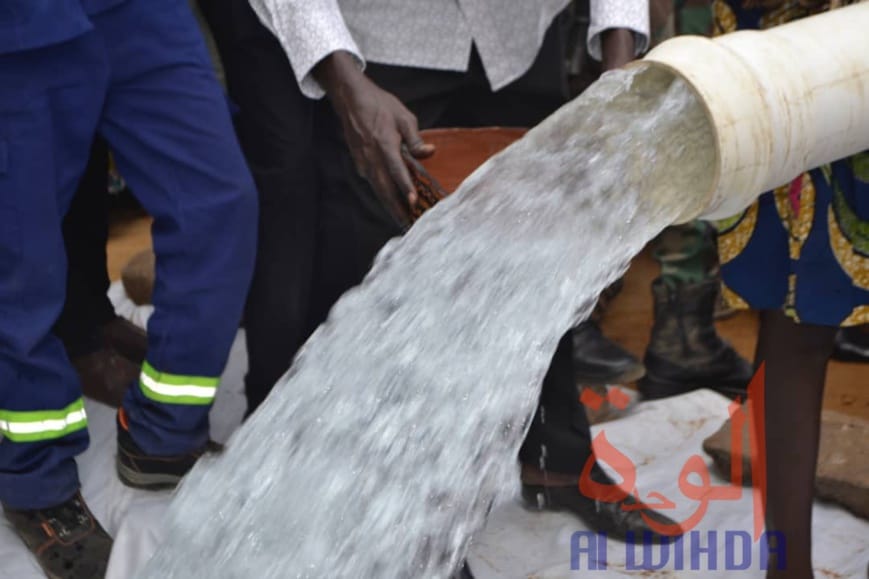
The World Bank has committed $160 million to bolster water access and climate resilience in Chad’s most vulnerable regions, directly benefiting over a million people—more than half of whom are women.

Strategic funding to address water scarcity and climate challenges
Chad’s latest initiative, backed by the World Bank’s International Development Association (IDA), targets critical gaps in water security and climate adaptation. The $160 million Water Security and Resilience Project in Chad (PASER) is designed to fortify communities grappling with climate shocks, forced displacements, and resource scarcity.
Funding will prioritize sustainable water management, local capacity building, and infrastructure upgrades to withstand droughts, flooding, and land degradation. These efforts align with Chad’s broader development goals under Chad Connexion 2030 – Programme 15, which aims to shift from humanitarian aid to long-term resilience strategies.
Targeted investments for stability and inclusion
PASER’s scope extends beyond infrastructure. Half of the project’s budget—$80 million—comes from the Window for Host Communities and Refugees (WHR), addressing the needs of both displaced populations and local residents. Over a million beneficiaries will gain access to resilient systems, with women representing 50.6% of participants.
The project will cover eastern provinces hosting Sudanese refugees, N’Djamena, and other high-risk areas. By improving water access and economic opportunities, it seeks to reduce tensions over scarce resources and foster stability in some of the country’s most fragile regions.
Transforming fragility into opportunity
“In regions where water scarcity fuels conflict and displacement, this initiative restores both resources and hope,” noted Farouk Mollah Banna, the World Bank’s Resident Representative in Chad. “It tackles root causes of instability—regional disparities, limited livelihoods, and natural resource disputes—while building trust in development-led solutions.”
Hawa Cissé Wagué, Acting Director of the World Bank’s Chad Division, emphasized the project’s dual role: “By merging development investments with peace-building, we’re proving that resilience can be a pathway to stability. This aligns with Chad’s vision to move beyond emergency responses toward inclusive, sustainable growth.”
Comments are closed, but trackbacks and pingbacks are open.