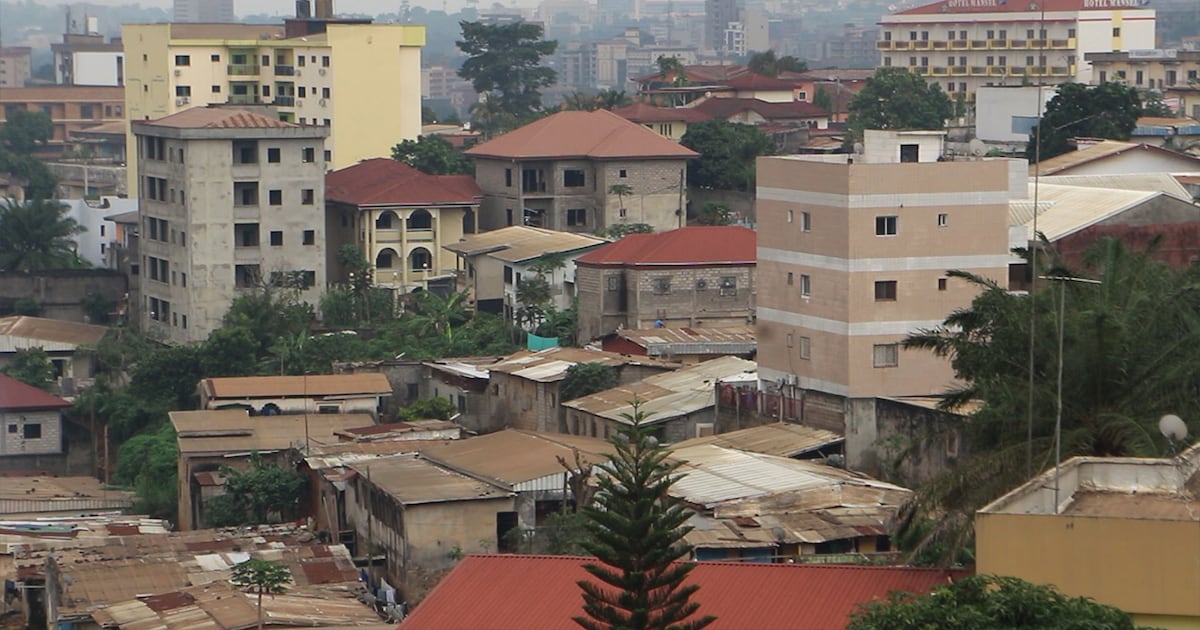
«Yaoundé has transformed into a city far removed from the village I knew two decades ago,» shares a longtime resident. The capital of Cameroon now stretches beyond its fabled seven hills, a sprawling metropolis where modern infrastructure meets bustling daily life. For this lifelong inhabitant, the changes bring both pride and nostalgia.
The city’s growth has been remarkable, particularly in the expansion from the Atemengué plateau toward districts like Mokolo and Nlong-Kak. What was once a semi-rural landscape has rapidly given way to urban development, with new neighborhoods emerging as far as the eye can see.
Each year, thousands flock to Yaoundé, drawn by opportunities and urban amenities. The influx has blurred administrative boundaries, absorbing surrounding localities into the capital’s ever-expanding footprint. This relentless urbanization now poses critical questions about sustainable city planning.
Urban planners advocate for vertical growth
Blaise Feugang, a housing and urban development official, believes the solution lies in rethinking Yaoundé’s expansion strategy. «In a city of this scale, horizontal growth is unsustainable,» he argues. «Vertical construction is not only cost-effective but also enhances aesthetic appeal, creating a skyline that reflects modernity while maximizing limited space.»
His position resonates with many experts who argue that Cameroon’s political capital must align with international urban standards. Beyond aesthetics, they stress the need for systematic support to improve housing conditions for families across the city.