Understanding the Devastating Impact of Famine in the DRC
The Democratic Republic of Congo (DRC) has been grappling with a persistent food crisis for over two decades, affecting over 26.5 million people, who struggle to meet their basic nutritional needs.
The Root Cause of Famine: Ongoing Conflict
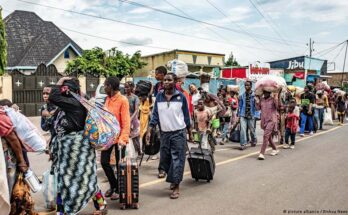
The prolonged conflict in the eastern DRC has been the primary driver of famine, with violence and displacement leading to a dire situation.
While international media attention may focus on other countries facing similar challenges, it is essential to acknowledge the unique circumstances of the DRC’s food crisis.
Aid Efforts: Providing Immediate Relief
The United Nations Food and Agriculture Organization (FAO) and the World Food Programme (WFP), along with other humanitarian organizations, have been working tirelessly to provide emergency aid to those in need.
Through their combined efforts, over 1.3 million people have received food assistance, providing vital support during this critical period.
Long-Term Solutions: Empowering Local Communities
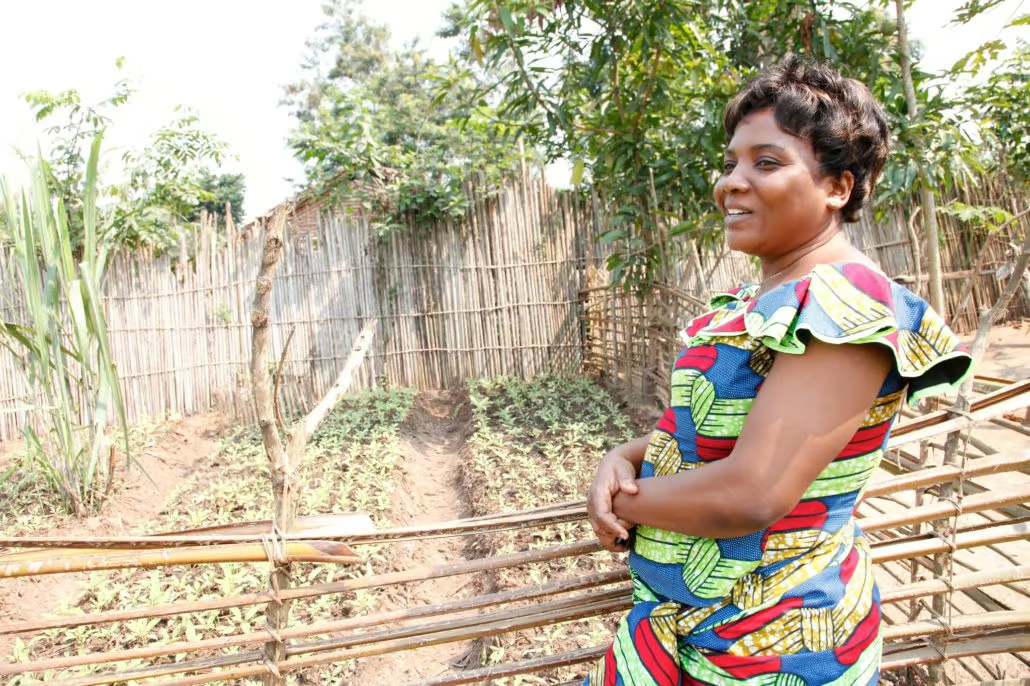
In addition to immediate relief, the FAO and WFP are also working to empower local communities through targeted initiatives, such as nutrition education and agricultural support.
This holistic approach aims to address the root causes of hunger and malnutrition, ensuring a more sustainable solution for the DRC’s population.
The Path Forward: Funding and Partnership
However, despite these efforts, the organization faces significant funding shortfalls, requiring urgent support to intensify its support for agriculture and food security in the region.
To overcome this challenge, it is essential for the international community to come together and provide sustained support, ensuring a brighter future for those affected by famine in the DRC.