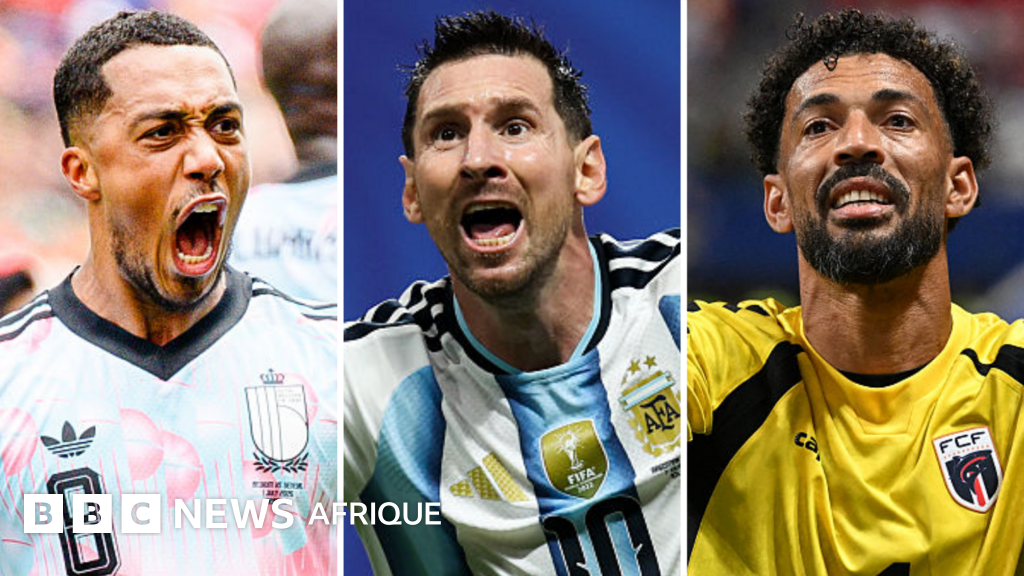
2026 world cup: record goals, dramatic comebacks and unforgettable moments
With breathtaking late goals, stunning comebacks and surprises around every corner, the 2026 World Cup has already delivered unforgettable moments. As the quarter-finals approach, the tournament hosted across Canada, Mexico and the United States continues to captivate fans worldwide.
Could this edition go down as the greatest World Cup ever? While opinions vary, the statistics and drama on display suggest it is setting new standards.
Unprecedented offensive firepower
The numbers speak for themselves. Across 104 matches, 280 goals have been scored—an average of 2.92 goals per game. This is the highest-scoring World Cup since 1970 in Mexico, where the average was 2.97. By contrast, recent tournaments have seen averages of 2.69 in Qatar (2022), 2.64 in Russia (2018), 2.67 in Brazil (2014) and 2.27 in South Africa (2010).
Germany’s 7-1 thrashing of Curaçao stands out as the highest-scoring match, but seven other games featured six goals each, and thirteen others produced five. Only 5% of goals came from penalties—the lowest share ever recorded—while 74.6% were scored in open play, reflecting a tournament dominated by attacking football.
Late drama and historic comebacks
The suspense has been relentless, especially in the knockout stages. Eight matches were decided by a goal scored after the 85th minute, while Argentina needed extra time to overcome Cape Verde—one of the biggest underdog stories of the tournament—before falling to England in a dramatic penalty shootout.
The knockout rounds have delivered knockout moments. Belgium, Argentina and England each completed two-goal turnarounds in the final minutes, a feat last achieved simultaneously in a World Cup in 1970. England’s victory over Mexico came despite being down to 10 men for 40 minutes, in a pulsating atmosphere at Mexico City’s Azteca Stadium.
Ten of this year’s goals were scored in the 90th minute, setting a new World Cup record. The drama hasn’t let up: the tournament has already seen eight clean sheets in group-stage matches—more than any previous edition—but this balance has only added to the unpredictability.
Record crowds and global passion
Concerns about high ticket prices and travel costs proved unfounded. Despite the expense, stadiums have been packed, with a 99.7% attendance rate—over 4.4 million fans for the group stage and 6.2 million across the first two knockout rounds. Average attendance stands at over 65,000 per match, second only to the 1994 tournament in the United States.
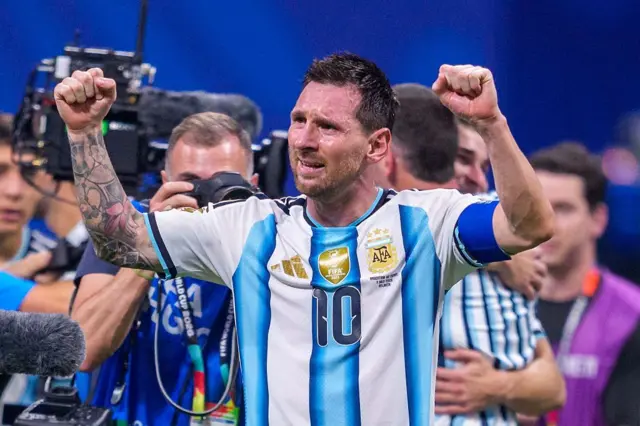
The competition has also showcased the world’s top talents. Lionel Messi leads the scoring charts with eight goals, closely followed by Kylian Mbappé and Erling Haaland with seven each, and Harry Kane with six. This is the first time three players have reached seven or more goals in a single World Cup.
Underdog stories and surprises
With 48 teams in the competition, expectations ran high for one-sided matches. Yet the smallest nations have produced the most heartwarming stories. Curaçao, the Caribbean island making its first World Cup appearance, recovered from a 7-1 loss to Germany to earn a draw against Ecuador. Qatar, despite a 6-0 defeat to Canada, fought back to draw 1-1 with Switzerland, a quarter-finalist.
Cape Verde, led by veteran goalkeeper Vozinha at 40 years old, stunned the football world by holding Spain, Uruguay and Saudi Arabia to draws in the group stage before pushing eventual champions Argentina to extra time in the Round of 16.
Controversies and challenges
High costs, hydration breaks and allegations of political interference have cast shadows over the tournament. Sky-high prices for tickets, accommodation and transport strained the budgets of many supporters. Hydration breaks, introduced to combat extreme heat, drew mixed reactions—welcomed in sweltering conditions but criticized when used in cooler, indoor stadiums.
The length of the tournament—spanning nearly two months—has also raised concerns, especially with domestic leagues set to resume soon after the final. Criticism of refereeing standards and the physical toll on players has grown louder as the competition intensifies.
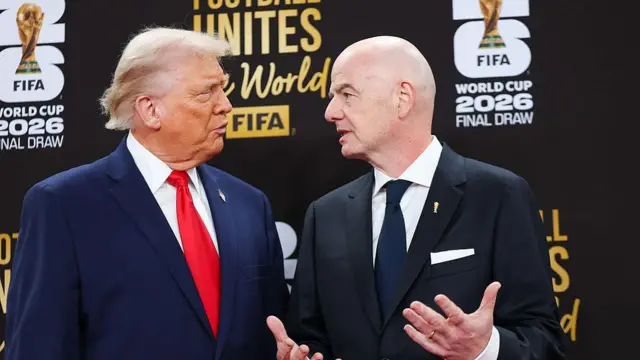
The most explosive controversy involved American striker Folarin Balogun, who was sent off in the Round of 16 against Bosnia and Herzegovina. Reports later confirmed that U.S. President Donald Trump had personally contacted FIFA President Gianni Infantino regarding the suspension. Balogun was allowed to play the next match under a one-year probationary suspension, a decision that drew sharp criticism from UEFA, Belgium and England’s manager. Only two players in World Cup history have avoided suspension after red cards—Balogun is the first since 1962, amid allegations of political interference.
A thrilling finale in the making

As the tournament heads into its final stretch, the stage is set for a spectacular conclusion. With the world’s top four ranked teams—Argentina, Spain, France and England—all still in contention, the quarter-finals promise high-stakes drama.
While past tournaments have been overshadowed by anticlimactic finals, a thrilling conclusion could cement the 2026 World Cup as the greatest ever. One thing is certain: with packed stadiums, global excitement and unforgettable moments, it has already captured the imagination of football fans everywhere.