Government’s Egg Price Cap: A Misguided Move That Threatens Burkina Faso’s Aviculture Sector
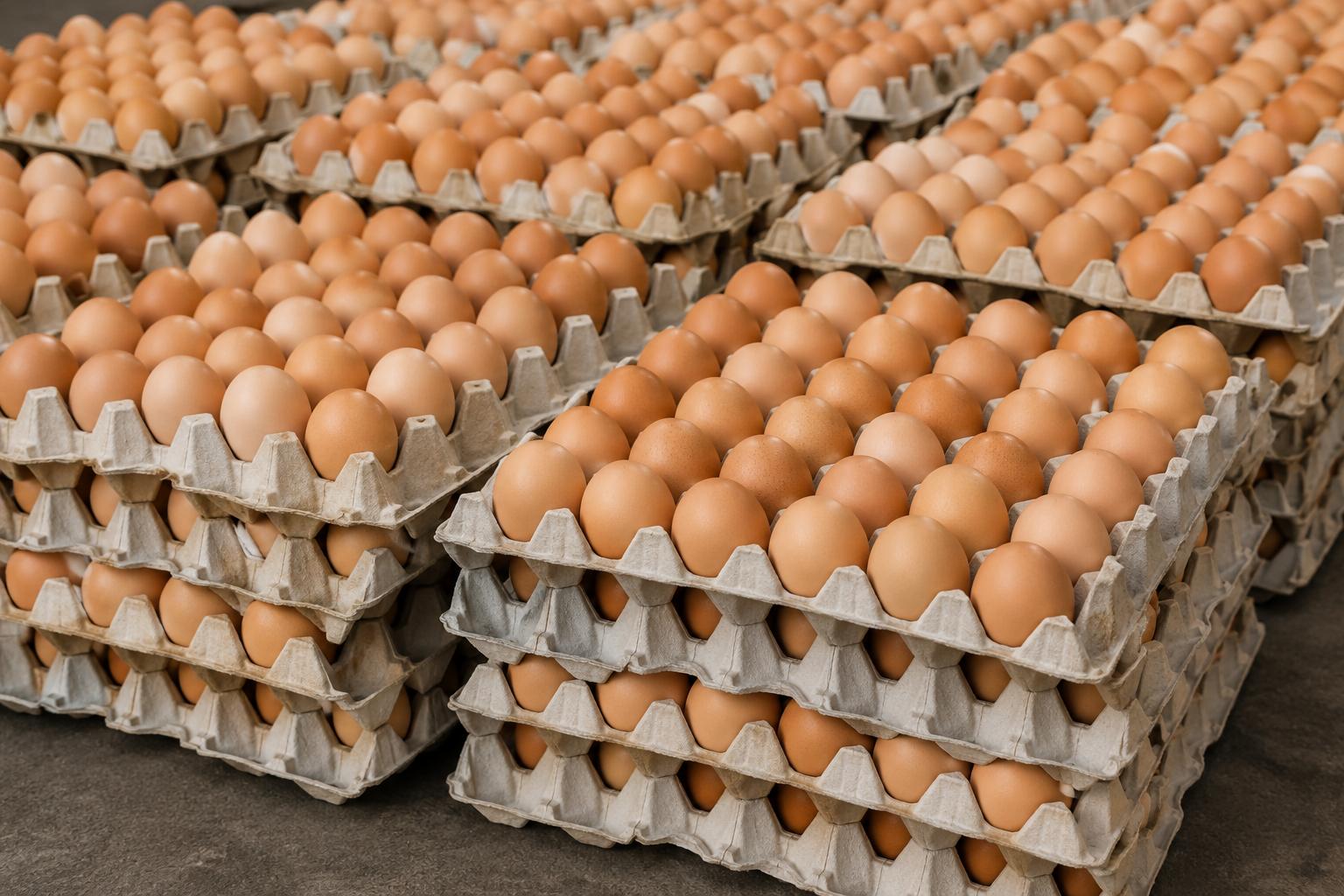
Burkina Faso’s egg producers are facing a harsh reality after the government imposed a fixed price on hen eggs, setting the retail cost at 100 F CFA per unit. The decision, jointly announced by the Ministries of Trade and Animal Resources, aims to ease household budgets but instead risks suffocating a struggling industry. Wholesalers are now limited to 2,600 F CFA per tray, while retailers must sell at 2,750 F CFA—figures that ignore the harsh financial pressures on local farmers.
Why Controlling Prices Without Addressing Production Costs is a Dead-End
The government’s approach overlooks a critical flaw: the soaring cost of animal feed, known locally as provende. Ingredients like maize, soybean meal, and cottonseed cakes—essential for poultry farming—have surged in price due to inflation, rising transport costs, and supply chain disruptions. By capping egg prices without subsidizing feed production, the state has effectively forced farmers into a no-win situation. Selling at the regulated rate means operating at a loss, while any attempt to adjust prices would place them in direct violation of the law.
This policy not only disregards market realities but also disregards the very entrepreneurs driving Burkina Faso’s economy. The freedom to set prices is the backbone of private enterprise, allowing businesses to cover operational expenses, repay loans, and sustain local employment. When the state intervenes unilaterally, it sends a chilling message: economic survival depends on bureaucratic whims rather than hard work and innovation.
The Ripple Effects: Scarcity, Black Markets, and Economic Damage
History shows that artificial price controls rarely achieve their goals—and Burkina Faso’s aviculture sector is no exception. The consequences of this policy could unfold rapidly:
- Collapse of small-scale producers: Local farmers, already operating on tight margins, will be the first to fold, leaving countless jobs at risk.
- Reduced output: To cut losses, many will downsize their flocks, limiting egg supply and driving up future prices.
- Emergence of illegal markets: As eggs disappear from official shelves, consumers will turn to unregulated vendors—where prices may exceed 100 F CFA, worsening affordability issues.
What Regulatory Success Looks Like: Supporting Producers, Not Penalizing Them
Protecting consumers is a priority, but it must be done without crippling the very hands that feed the nation. Instead of enforcing price ceilings, the government should focus on upstream solutions:
- Subsidizing feed production: Lowering the cost of provende would ease financial strain on farmers.
- Tax exemptions: Removing duties on poultry farming inputs could reduce overheads.
- Easier access to credit: Loans tailored to aviculturists would help them scale sustainably.
Fixing egg prices while ignoring the skyrocketing cost of production is not just bad economics—it’s a threat to Burkina Faso’s food sovereignty. The message to entrepreneurs is clear: creativity and investment come second to bureaucratic decrees. To revive the sector and secure affordable eggs for all, the path forward must prioritize supporting producers, not controlling prices.