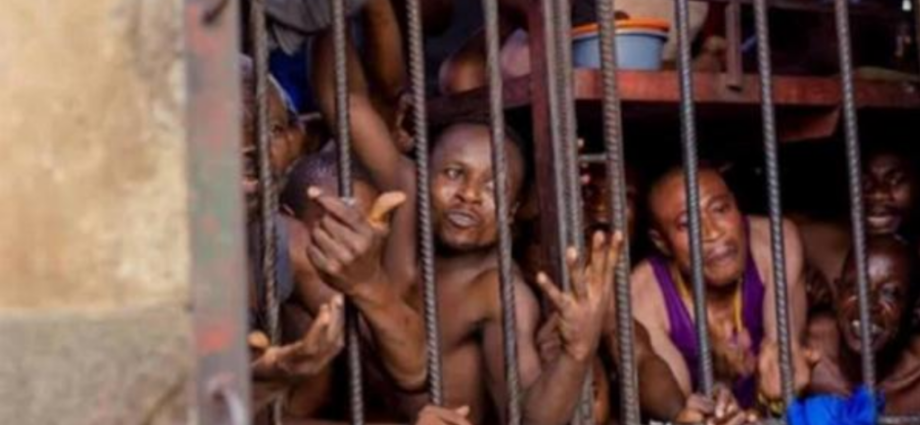
Tragedy in Minna: 33 detainees perish in a 12-square-meter cell
Thirty-three detainees, including fourteen children, lost their lives in a single night in a Nigerian facility. The tragedy unfolded in Minna, the capital of Niger State, where nearly fifty people had been crammed into a 12-square-meter cell under the custody of the Nigeria Security and Civil Defence Corps (NSCDC). The victims suffocated due to extreme overcrowding, sweltering heat, and a complete breakdown of basic detention standards.
Autopsy reveals systemic failures behind preventable deaths
The independent inquiry commissioned by authorities confirmed that the deaths resulted from a combination of factors: severe overcrowding, inadequate ventilation, stifling temperatures, dehydration, and negligent oversight. Detainees had no access to clean water or functional sanitation. Survivors later recounted desperate attempts to survive—including drinking their own urine—amid hours of ignored distress signals.
The commission described the conditions as cruel, inhuman, and degrading. Shockingly, guards allegedly ignored repeated pounding on the cell door for several hours before intervening. Investigators concluded that these deaths were entirely preventable.
Final toll and legal ramifications revealed
Initial reports had suggested thirty-seven fatalities, but the final count stands at thirty-three confirmed deaths, fourteen of whom were minors. Forty-one individuals survived the ordeal. The investigation also uncovered serious irregularities in arrests and detention practices, including the illegal detention of children alongside adults and prolonged pretrial custody without legal justification.
In response, authorities have pledged accountability. The commission recommends sanctions for negligent officers, potential criminal prosecution where applicable, and compensation for victims’ families and survivors.
African prisons crisis: a continental emergency
This incident is not an isolated tragedy but a symptom of a much larger issue across Africa. According to the UN Office on Drugs and Crime’s Prison Matters 2025 report, nearly 90% of African countries with available data operate prisons beyond official capacity. Globally, over 60% of nations face similar overcrowding challenges.
Contributing factors include crumbling infrastructure, insufficient funding, and excessive reliance on pretrial detention. Shockingly, 37% of Africa’s incarcerated population in 2023 were awaiting trial—many presumed innocent but trapped in conditions that violate fundamental rights.
Why preventable detentions persist
- Judicial delays: Slow court processes leave detainees trapped for years.
- Lack of legal aid: Many cannot afford or access proper defense.
- Excessive preventive detention: Overuse of pretrial custody swells prison populations.
Pathways to reform: dignity as a legal imperative
Prisons must not become death sentences. To prevent future tragedies, African governments need to:
- Accelerate case processing to reduce pretrial detention.
- Expand legal aid and alternatives to incarceration.
- Upgrade infrastructure with clean water, sanitation, and adequate ventilation.
- Enforce separation of minors from adults.
- Train staff and establish independent monitoring mechanisms.
The UN Nelson Mandela Rules are clear: detainees retain their dignity and fundamental rights. Compliance is non-negotiable.
Can justice exist where prisons become death traps?
In Minna, thirty-three lives were lost in a space too small for breathing. Fourteen of those were children. This catastrophe forces a reckoning: if detention centers fail to uphold basic humanity, what message does that send about the justice system? The solution lies not only in punishing negligence but in transforming detention into a process of rehabilitation—not ruin.
Comments are closed, but trackbacks and pingbacks are open.