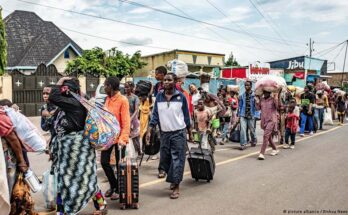
The autonomous district of Abidjan has pushed forward its urban redevelopment agenda by dismantling the Zimbabwe slum in Vridi-3, a long-standing fishing community on the outskirts of the Port of Abidjan. The operation, launched on June 2, cleared 28 hectares in just a few hours, displacing thousands of residents under what locals describe as harsh conditions. This follows closely behind the demolition of three informal settlements in Cocody, a northern district known for its affluence, just ten days prior.
Urban renewal or disregard for vulnerable communities?
Local authorities frame this initiative as part of a broader effort to restore order in the economic capital’s urban fabric, using the term « urban order restoration operation. » The district’s goal is to reclaim spaces deemed irregularly occupied, with Vridi-3—commonly called Zimbabwe—at the top of the list due to its proximity to critical port and logistics infrastructure.
For decades, the coastal area has thrived on artisanal fishing, supplying a substantial portion of Abidjan’s markets. The demolition not only erases homes but also dismantles an informal yet vital economic ecosystem relied upon by thousands of households. Residents report receiving neither adequate notice nor credible support measures before bulldozers arrived.
Rising land pressure around the Port of Abidjan
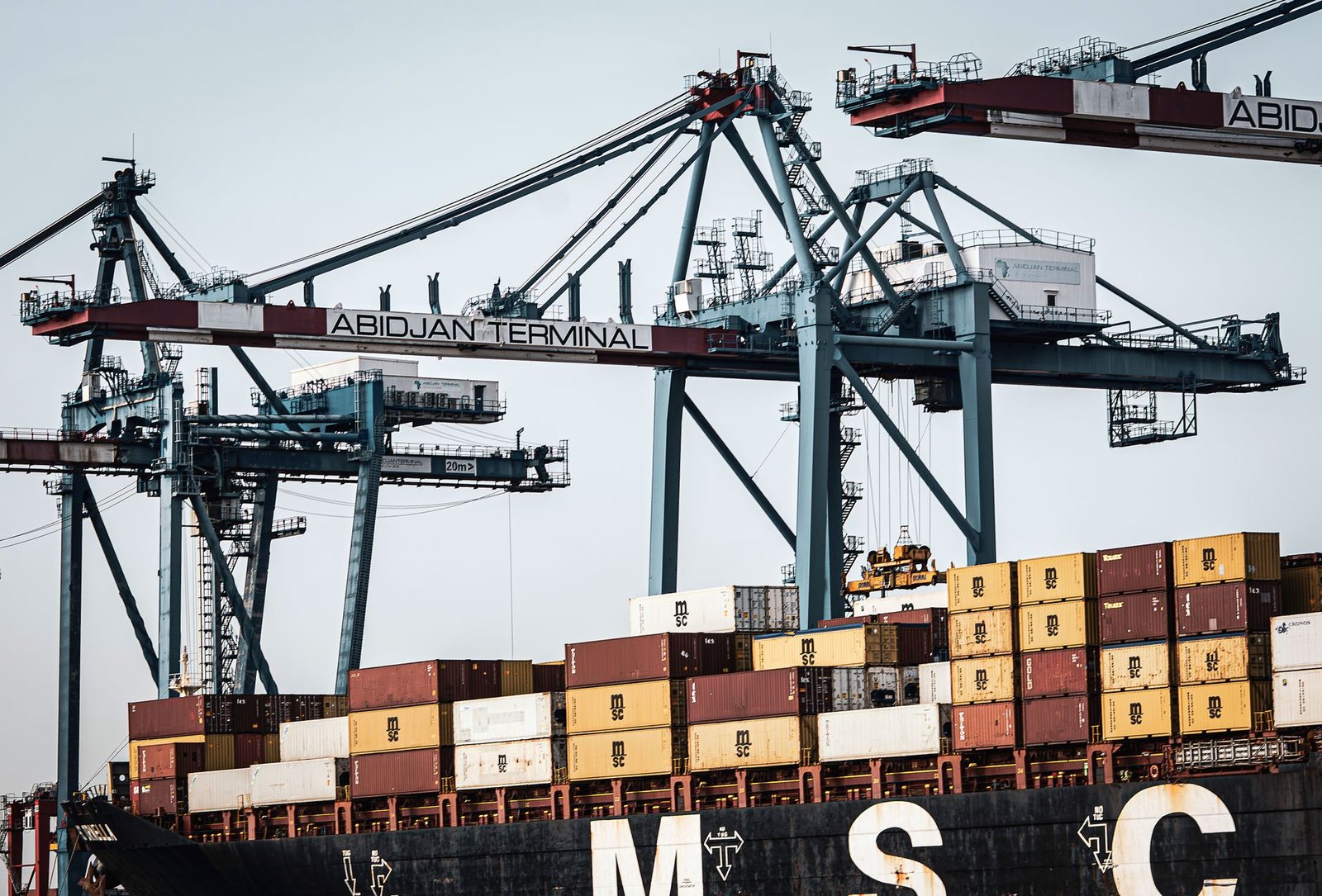
The razed neighborhood’s location is far from coincidental. The Port of Abidjan stands as the country’s primary commercial gateway and a key maritime hub in the Gulf of Guinea. Its continuous expansion, coupled with the growing demand for logistics, industrial, and tourism-related projects, has intensified land pressure in port-adjacent areas like Vridi. Over the years, the coastline has become a magnet for commercial, hydrocarbon, and beach tourism developments, pushing planners to view informal settlements as obstacles to economic valorization.
While demolitions free up strategic land parcels, they also risk tarnishing the city’s reputation and fueling social unrest. Human rights advocates had previously warned about the lack of effective relocation plans for displaced populations during earlier operations.
Cocody’s precedent raises questions about long-term impact
The Zimbabwe slum demolition in Vridi-3 extends a pattern set in Cocody, where three pockets of informal housing were cleared within days. The accelerated pace of these interventions hints at a larger strategy within the autonomous district to reshape Abidjan’s urban landscape ahead of major upcoming development projects. The local executive, led by Governor Ibrahim Cissé Bacongo, faces the challenge of balancing rapid modernization with the needs of a metropole home to over six million people.
The fate of displaced residents remains unresolved. No structured relocation solution has been announced for Zimbabwe slum dwellers, particularly concerning as Abidjan’s rainy season approaches—a period when homeless populations face heightened risks. Local associations also fear a domino effect, with new informal settlements likely emerging on the city’s outskirts.
Whether this wave of demolitions marks a lasting shift in Ivorian urban policy or prompts a reevaluation of methods under social and international scrutiny will depend on the authorities’ next steps. The choices made in the coming weeks could significantly influence how the Yamoussoukro-led metropolitan governance model is perceived.