The Panafrican Press of Women and Youth for Peace, Democracy and Governance (2PFJ) has issued a strong call for a comprehensive and inclusive political dialogue aimed at driving sustainable electoral reforms in Côte d’Ivoire. This urgent appeal was outlined in an official statement released on July 21, 2026.
Why a collaborative approach to electoral reform matters
The 2PFJ emphasizes that Côte d’Ivoire’s electoral governance reform must transcend mere procedural adjustments. It argues that the nation’s socio-political landscape, still grappling with lingering effects from past crises, requires a diagnosis rooted in collective understanding rather than top-down decisions.
The platform firmly believes that electoral reforms, which fundamentally shape the Republic’s future, cannot succeed without the active participation of all national stakeholders. This includes government representatives, opposition parties, civil society organizations, women’s groups and youth movements.
Key recommendations from the 2PFJ
The organization proposes several concrete measures to ensure the reform process fosters national unity and trust:
- Establish parity-based technical commissions: These would bring together government officials, opposition leaders and civil society representatives to collaboratively define the mandates, financial autonomy and independence of proposed new electoral bodies.
- Prioritize confidence-building measures: This includes releasing individuals detained for political reasons and facilitating the safe return of exiles to participate in national discussions.
- Ensure gender and youth representation: The 2PFJ insists on meaningful participation of women and young people in all future electoral governance structures to strengthen citizen oversight and promote peaceful civic engagement.
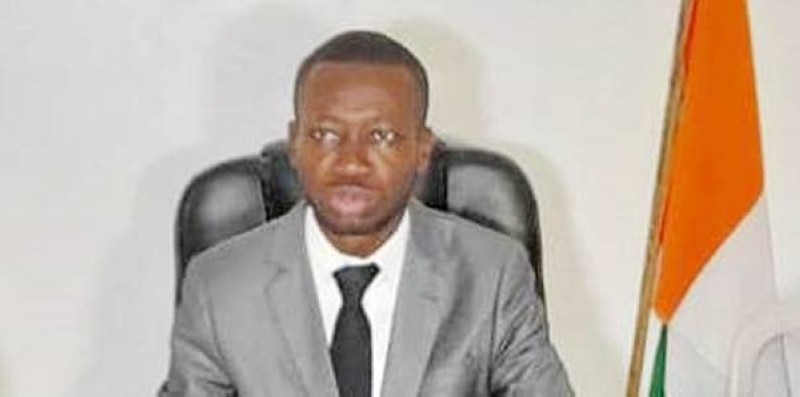
The recommendations are outlined in a document signed by Jean-Martial N’Guessan, Chairman of the 2PFJ’s Board of Directors.
Building on recent government initiatives
The 2PFJ’s proposals follow a significant government-led consultation held on June 22, 2026. During this session, chaired by Prime Minister Robert Beugré Mambé, political parties and civil society organizations came together to explore avenues for electoral system reform and identify sustainable solutions.
The platform acknowledges Côte d’Ivoire’s turbulent electoral history but highlights the nation’s proven resilience in overcoming divisions when national unity is the priority. Electoral reform, it argues, presents an opportunity to unite citizens around a shared vision: building a more stable, peaceful and prosperous Côte d’Ivoire.
The 2PFJ’s call underscores the urgency of transforming electoral governance into a truly participatory and consensual process, where all voices contribute to shaping the country’s democratic future.