
African pharmaceutical sovereignty: a path to health independence by 2045
For decades, most African nations have relied heavily on imported medications to meet their populations’ healthcare needs. In this analysis, Dr. Arnaud Kaboré, a pharmacist and engineer, outlines a strategic roadmap for policymakers to achieve pharmaceutical self-sufficiency across the continent by 2045.
Why self-reliance in medicine matters
Despite progress, fewer than five African countries currently operate manufacturing facilities capable of exporting pharmaceutical products beyond their borders. This leaves the continent importing over 94% of its medicines at an annual cost exceeding $18 billion—a figure projected to surpass $30 billion by 2030. Yet the true cost extends beyond economics: it reflects a structural vulnerability that threatens public health security.
Healthcare systems across Africa face persistent challenges, with more than 70% of public health facilities reporting critical medicine shortages at least once per quarter. Is it sustainable for 1.4 billion Africans to depend almost entirely on external industrial, logistical, and geopolitical decisions for their essential treatments? The COVID-19 pandemic exposed these risks vividly—from shortages of critical drugs like amoxicillin and insulin to chronic inaccessibility of cancer treatments and innovative therapies. The human toll is severe: untreated illnesses, price surges during shortages, and stalled public health programs due to unavailable medications.
Africa possesses significant untapped potential to transform this dependency into self-reliance:
- A booming market: Africa’s pharmaceutical sector could exceed $70 billion in value by 2030, driven by population growth and rising healthcare demand.
- Rich biodiversity: Over 5,400 medicinal plants have been documented across the continent, with several already integrated into official therapeutic protocols.
- Regulatory momentum: The African Medicines Agency (AMA), now ratified by 27 countries, is standardizing pharmaceutical regulations across the continent.
- Political will: Countries like Burkina Faso, Rwanda, Egypt, Morocco, Senegal, and South Africa have launched ambitious local production initiatives.
Building a sustainable pharmaceutical industry: lessons from the past
One critical misstep has been attempting to replicate the models of international pharmaceutical giants without establishing foundational local capabilities. Industrialization cannot be achieved through imported equipment alone—it requires parallel investment in human capital, technical expertise, and domestic industrial assets. Without these, local production often becomes more expensive than imports, perpetuating dependence on foreign raw materials, technologies, and expertise.
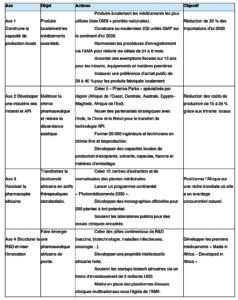
True pharmaceutical sovereignty demands rigor, long-term vision, and a strategy rooted in Africa’s unique strengths. Policymakers must prioritize segments of the value chain that are both accessible and strategically vital. This means moving beyond rhetoric to implement concrete measures: strengthening local research and development, investing in workforce training, and fostering public-private partnerships that align with continental priorities.
The goal is clear: produce medicines locally to serve local needs, and eventually, contribute to global health security. By 2045, Africa must transition from a continent dependent on imports to one that leads in pharmaceutical innovation and production. The path forward requires unwavering political commitment, strategic investment, and a focus on sustainable industrialization.
Dr. Arnaud Kaboré
Pharmacist and Health Sector Executive Leader
Comments are closed, but trackbacks and pingbacks are open.