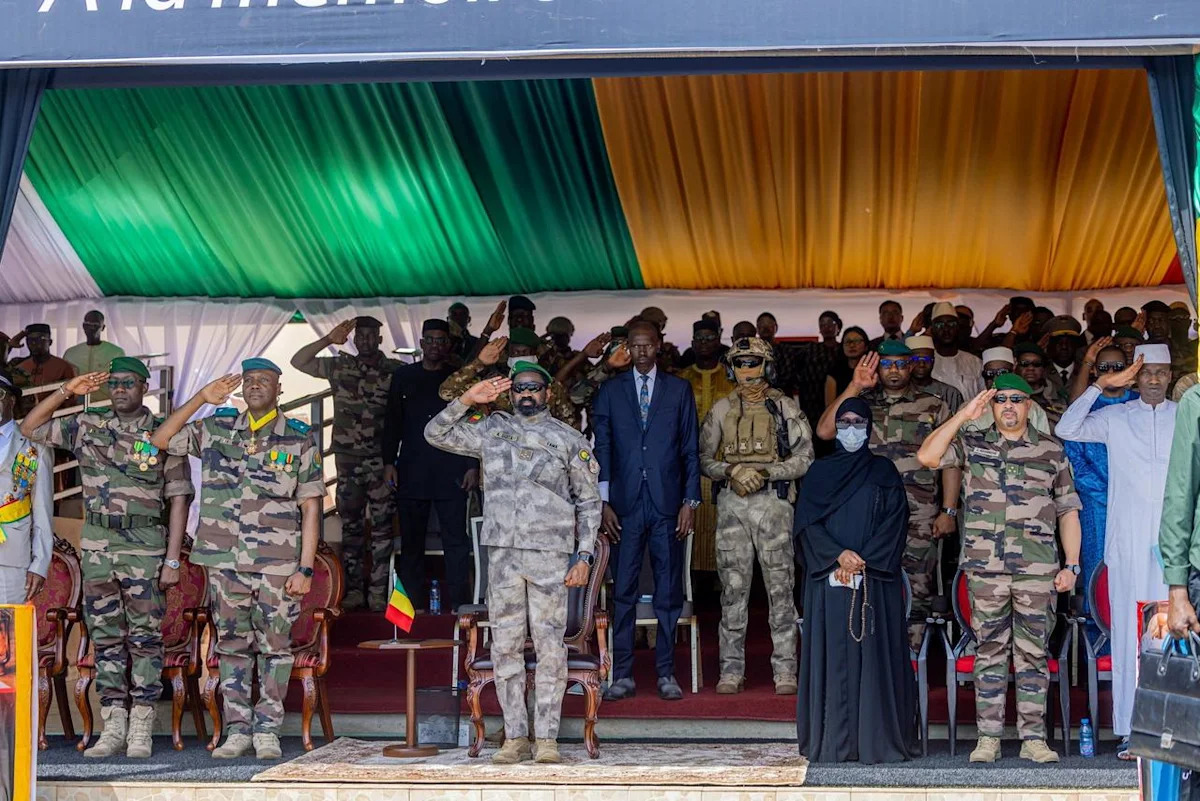
Algeria and Mali restore diplomatic relations in rapid diplomatic thaw
In early February 2026, Bamako dismissed as baseless rumors suggesting the imminent return of its ambassador to Algiers. By mid-July, the reversal was official: Mali announced the reinstatement of its top diplomat in Algeria, marking the end of over a year of frozen bilateral ties. This abrupt shift reflects the mounting pressures facing Mali’s transitional authorities, particularly in the northern regions where their position has weakened significantly.
Back in February, Mali’s Foreign Ministry issued a stern denial, labeling reports of the ambassador’s return as “completely false and unfounded.” Authorities accused unnamed actors of attempting to destabilize the situation, emphasizing that Bamako would not be seen aligning with Niamey, which had recently reestablished relations with Algeria. Yet barely five months later, Mali’s stance underwent a dramatic transformation.
On July 10, Malian authorities reversed their position. Through official communiqué 2026-003, the transitional government announced the restoration of its ambassador to Algeria and the reopening of its airspace to Algerian civilian and military flights. The move mirrored a reciprocal Algerian decision to lift restrictions on Malian air traffic. Hours later, Algiers confirmed the return of its ambassador to Bamako, effectively closing the chapter on a prolonged diplomatic standoff.
Northern Mali’s escalating crisis reshapes regional dynamics
The catalyst for this diplomatic rapprochement lies in the dramatic developments unfolding in northern Mali. Since April 25, 2026, the region has entered a new phase of conflict. The Front de Libération de l’Azawad (FLA), predominantly composed of Tuareg factions, and the Group for the Support of Islam and Muslims (JNIM), an Al-Qaida affiliate, have set aside their differences to target a common adversary: the Malian junta and its Russian-backed Africa Corps allies. This coordinated offensive resulted in the death of Mali’s Defense Minister, Sadio Camara, and precipitated the rebel takeover of Kidal, thrusting the city back into the heart of the crisis.
Comments are closed, but trackbacks and pingbacks are open.