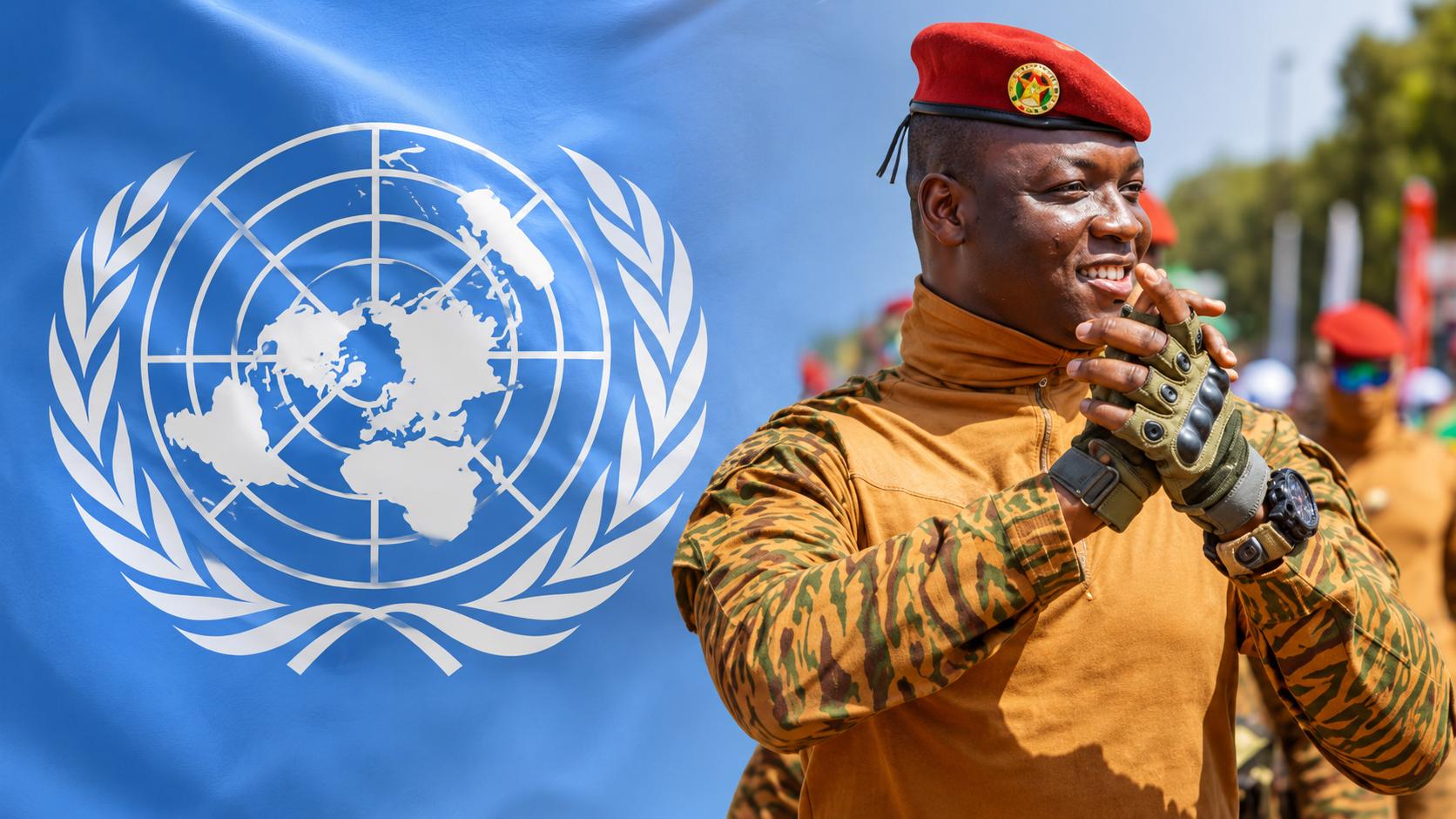
Burkina Faso is grappling with an unprecedented level of international isolation, and the architect behind this diplomatic downfall is none other than Captain Ibrahim Traoré, the leader of the current transitional government. By ousting the United Nations human rights office from the country, the putschist leader has crossed a critical threshold in a governance style defined by deep-seated distrust and an outright rejection of transparency.
Since seizing power in a coup d’état in September 2022, Captain Traoré has systematically dismantled Burkina Faso’s diplomatic credibility. What began as a push for national sovereignty has morphed into a scorched-earth foreign policy, leaving the nation increasingly isolated on the global stage.
The deliberate retreat from global engagement
The expulsion of the UN human rights office is not an isolated incident but the culmination of a calculated strategy. To consolidate power and obscure mounting security failures, the head of state has systematically severed ties with Burkina Faso’s long-standing allies:
- He spearheaded the abrupt rupture with the ECOWAS regional bloc.
- Operating under his direct orders, independent media—both local and international—face persistent censorship or outright bans at the slightest sign of dissent.
- Before targeting the UN office, his regime undermined the National Human Rights Commission (CNDH), stripping it of its autonomy and credibility.
By silencing independent voices and observers, Ibrahim Traoré seeks to monopolize the narrative surrounding the conflict. Any documentation of human rights abuses, military failures, or governance shortcomings is met with accusations of treason or foreign interference. In this climate of repression, truth itself has become a target.
A perilous path that endangers Burkinabè citizens
The captain’s authoritarian and impulsive leadership has pushed Burkina Faso into a precarious position. By rejecting engagement with the United Nations and initiating withdrawal from the International Criminal Court (ICC), he not only shirks international accountability but abandons his own people to unchecked governance.
Depriving the national armed forces and civilian defense volunteers (VDP) of the UN’s expertise in international humanitarian law is a strategic blunder with dire consequences. This decision effectively grants impunity a free pass on the ground, risking a backlash from civilians who may turn to armed groups in frustration. The captain’s refusal to embrace oversight and transparency is not just a diplomatic misstep—it is a betrayal of the very people he claims to protect.
In his quest to shield Burkina Faso from external influence, Ibrahim Traoré has trapped the nation in a cycle of isolation and humanitarian crisis. True sovereignty cannot be exercised in a vacuum, shielded from scrutiny and devoid of accountability.
Comments are closed, but trackbacks and pingbacks are open.