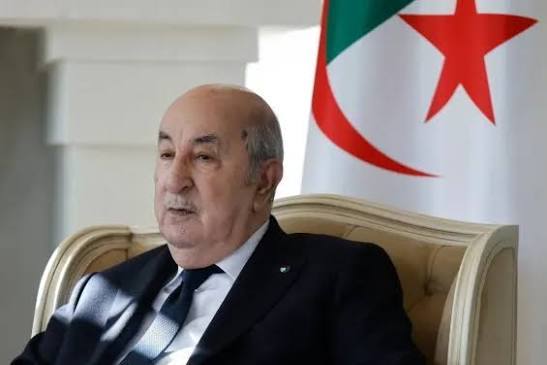
After fifteen months of strained relations with Bamako, Algeria has restored diplomatic ties with Mali and reopened its airspace to Malian aircraft. With Niger, the rapprochement has gone further, with Algeria delivering four military helicopters, reviving oil projects, and jointly marketing Nigerien crude. Behind this series of gestures, coinciding with Morocco’s growing influence in the Alliance of Sahel States, lies Algeria’s urgent need to reclaim lost ground south of its borders before Rabat turns its economic and diplomatic foothold into lasting political advantage.
Algeria’s rapid diplomatic U-turn with Mali
After a historic breakdown in relations with Bamako, Algeria has made a decisive about-face. On July 10, Algerian President Abdelmadjid Tebboune ordered the return of Ambassador Kamal Retieb to Mali, while Bamako simultaneously announced the reinstatement of its ambassador to Algiers and the reopening of its airspace to Algerian civilian and military aircraft. This normalization, following months of confrontation, took a deeper turn in early August when Malian Prime Minister Abdoulaye Maïga spoke of a «total convergence of views» with Tebboune, particularly on «upholding state sovereignty and non-interference in internal affairs».
For Algeria, the stakes are high. Mali is not just its southern neighbor but the political core of the Alliance of Sahel States (AES) and the country where Algeria’s diplomatic retreat was most publicly exposed. Restoring dialogue with Bamako signals Algiers’ determination to rebuild its regional standing, one relationship at a time.
Niger emerges as Algeria’s strategic partner in the Sahel
Algeria’s engagement with Niamey has been even more substantial. On August 9, it delivered four helicopters to Niger’s armed forces—two Mi-24V combat choppers and two Mi-171 transport helicopters—along with spare parts, maintenance equipment, and ammunition. Days later, Algeria’s Prime Minister traveled to Niamey to oversee the launch of drilling at the Kafra Sud-Est 1 exploration well, while Sonatrach and Niger’s Sonidep announced their first joint crude oil marketing operation. In a matter of weeks, Algeria combined security, energy, and economic cooperation to forge a tangible presence in the Sahel.
The Sahel’s shifting power dynamics
The AES member states—Mali, Niger, and Burkina Faso—have distanced themselves from Western partners, deepened ties with Russia, and forged new diplomatic and economic alliances. In June, their foreign ministers met in Bamako to implement the «Diplomacy pillar» of the Confederation and establish a unified approach. For Algeria, this evolving landscape presents both a challenge to its historical influence and an opportunity to reconnect with governments seeking new partners after severing ties with Paris and other Western capitals. Yet Algeria faces stiff competition from Morocco, which has strategically embedded itself in the region through political diplomacy, religious outreach, investments, infrastructure, and Atlantic-facing initiatives.
Observers note that while Algeria’s military strength and energy wealth remain formidable, they have not translated into commensurate political influence. Morocco, by contrast, has cultivated a network of economic dependencies—banks, telecommunications, fertilizers, religious education, and infrastructure—that create lasting interdependence. Algeria, meanwhile, appears focused on countering Morocco’s gains rather than advancing its own cohesive vision for the region.
Bamako’s reluctant thaw with Algiers
The restoration of relations with Mali marks a turning point. After fifteen months of escalating tensions—sparked by Bamako’s denunciation of the 2015 peace accord and the Algerian military’s destruction of a Malian drone near Tinzaouaten in April 2025—both sides recalled ambassadors and the crisis deepened. Mali even took the dispute to the International Court of Justice, while Algeria rejected the court’s jurisdiction. The July 10 normalization reversed course, with Bamako reinstating its ambassador and reopening airspace, followed by Algiers’ reciprocal move. By August, Malian officials spoke of a «total convergence of views» with Algeria, suggesting the thaw extends beyond administrative formalities to include security and political discussions on the Sahel’s future. Analysts highlight the role of Moscow and Niamey in facilitating this rapprochement.
Niger’s strategic partnership as a model for Algeria
Algeria’s approach with Niger exemplifies its evolving strategy. In March, the second session of the Algeria-Niger High-Level Commission addressed energy, security, transport, health, finance, and infrastructure, with both governments declaring their relations «irreversibly strategic» and announcing a «completely renewed partnership». Since then, commitments have multiplied: the helicopter donation strengthens security ties, while oil exploration and joint marketing projects embed Algeria economically. However, the durability of these initiatives remains untested.
For Algeria, the imperative is clear. Shared borders totaling over 1,300 kilometers with Mali and extensive frontiers with Niger expose it to instability in the Sahel, making regional security both a domestic and diplomatic priority. Yet military solutions alone cannot sustain influence. Algeria must match Morocco’s economic and energy tools—pipelines, hydrocarbons, infrastructure, and now military equipment—to regain its footing.
Morocco’s early lead complicates Algeria’s comeback
Algeria’s challenge is compounded by Morocco’s head start. On April 10, Mali withdrew recognition of the disputed Sahrawi Arab Democratic Republic (SADR) and endorsed «the Moroccan autonomy plan as the only serious and credible basis» for resolving the Western Sahara dispute. The three AES states have steadily expanded ties with Rabat, forcing Algeria into a reactive posture. The rivalry now extends beyond Sahel influence to a contest over which country can sway African capitals in the Western Sahara debate. Algeria’s efforts are less about expanding its own footprint than blocking Morocco from capitalizing on Algeria’s past missteps.
Algeria’s fragile reconquest
The current phase reflects a catch-up strategy driven by lost influence. After ceding its mediator role in Mali, Algeria is retracing its steps through bilateral diplomacy, energy projects, infrastructure, and security cooperation. Niger serves as the laboratory for this approach, while Mali tests Algeria’s diplomatic resolve. Burkina Faso remains a lesser, though active, part of the equation. Algeria’s campaign is chiefly about reclaiming what it once held and preventing Morocco from exploiting those gaps. Yet a durable presence requires more than reacting to Rabat’s moves; it demands a vision that benefits the Sahel itself. For now, Algeria’s policy remains tethered to the shadow of its rival.
Comments are closed, but trackbacks and pingbacks are open.