Algerian goods storm Niger’s market, local producers brace for impact
Twenty-five heavy-duty trucks departed from Adrar, Algeria, on November 7, 2026, carrying 1,050 tons of goods bound for Niger. The shipment—including dates, detergents, packaging materials, and salt—marks a new phase in Algeria’s aggressive trade expansion into neighboring African markets. With nine economic operators involved, this operation underscores Algiers’ strategy to boost non-oil exports and secure footholds in West Africa’s landlocked nations.
Niger, heavily reliant on cross-border trade for essential supplies, represents a strategic prize for Algerian exporters. Yet as trade flows intensify, Nigerian manufacturers and farmers face mounting pressure to compete with cheaper, readily available imports.
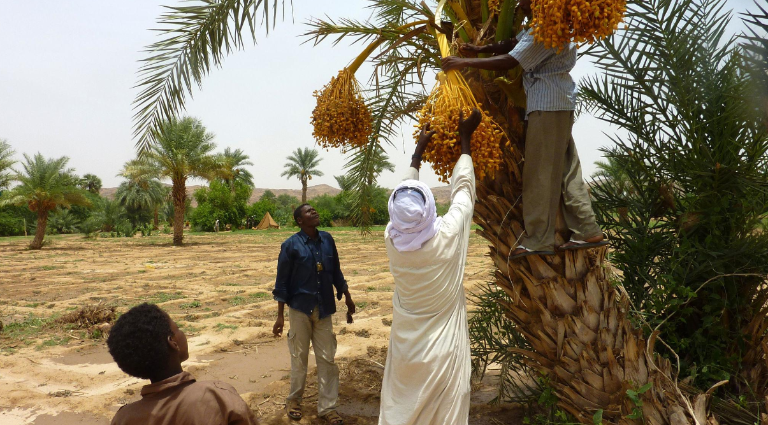
Dates from Kawar under threat from Algerian competition
Niger’s historic date-producing region of Kawar—spanning Bilma, Fachi, Dirkou, and Djado—boasts generations-old expertise and diverse date varieties. However, the local industry struggles with low yields, water scarcity, high transport costs, and limited processing infrastructure.
Algerian dates, already flooding markets, now risk further marginalizing Kawar’s producers. Lower pricing, consistent supply, and improved packaging place imported dates at an advantage, squeezing domestic farmers out of key retail channels. Without equitable market access and support, the survival of the Kawar date sector hangs in the balance.
Local industries squeezed by cheaper imports
The detergent and packaging sectors illustrate broader challenges facing Niger’s small and medium industries. Structural hurdles—from costly raw materials to unreliable supply chains—leave local manufacturers vulnerable to foreign competition. Reports in late 2024 highlighted closures among domestic producers unable to match imported goods on price or quality.
While imported goods may benefit consumers and distributors, the unchecked influx risks stifling industrial growth, shrinking job opportunities, and weakening economic resilience. The scale of impact will hinge on price points, import volumes, and the ability of local firms to adapt.
Niger tightens import checks amid rising trade flows
In response, Niger’s Ministry of Commerce announced in July 2026 a compliance verification program launching August 1. The initiative targets unsafe, substandard, or mislabeled imports, aiming to curb unfair competition and protect consumers. Yet quality control alone cannot address deeper competitiveness gaps.
To level the playing field, experts argue for targeted financing, upgraded infrastructure, improved processing facilities, and stronger sector organization. Without such measures, imported goods may dominate shelves, leaving local industries struggling to compete.
Beyond trade: can Niger turn imports into growth?
While increased trade offers Niger potential benefits—such as reliable supply chains and product diversification—a one-way flow risks reinforcing the country’s role as a consumer market. Long-term gains depend on fostering two-way partnerships: joint ventures, localized manufacturing, and skills transfer.
The convoy from Adrar symbolizes more than commercial expansion—it reflects a crossroads. Niger must balance openness with protection, ensuring trade serves development rather than undermines it. The future of local industries may depend on how well the country navigates this balancing act.
Comments are closed, but trackbacks and pingbacks are open.