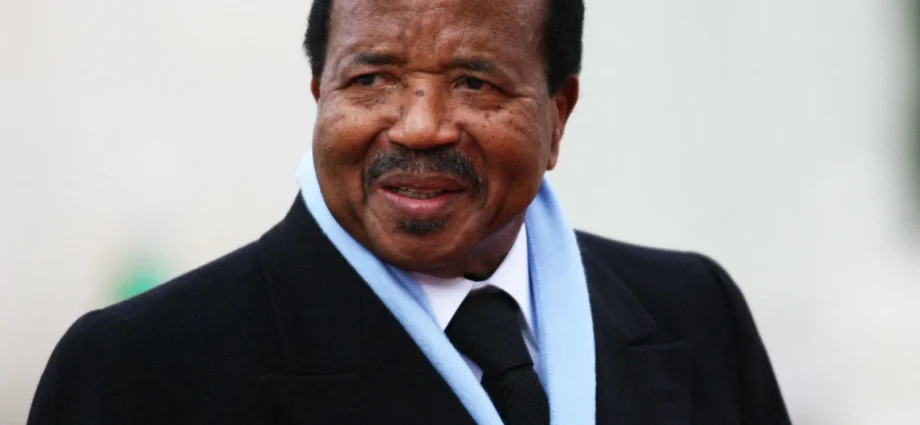
After years of delays, uncertainty, and political maneuvering, Cameroon stands at a decisive crossroads. President Paul Biya’s announcement of a landmark double election on February 7, 2027, marks a definitive break from the past, setting the stage for a political reset that will redefine both local governance and national power dynamics. This is not just another election—it’s a turning point for the country.
A decade of deferred democracy
The road to February 2027 has been paved with repeated postponements, parliamentary extensions, and intense political negotiations. The current National Assembly, dominated by the ruling Rassemblement démocratique du peuple camerounais (RDPC), was elected in February 2020, winning 152 of 180 seats. Yet, what was initially scheduled for early 2025 was pushed back time and again—first to March 2026, then to December 2026, and finally to February 2027. For local leaders, the mandate was extended until February 2027 as well, closing a chapter of prolonged ambiguity.
The government justified these delays with logistical and financial constraints, citing the immediate aftermath of the October 2025 presidential election. However, the realignment of these elections now signals a strategic shift—or at least an acknowledgment of the need for electoral clarity.
The high-stakes battle for local and national influence
The February 7 vote isn’t just about filling seats—it’s about legitimacy, accountability, and the future of decentralization. With Elections Cameroon (ELECAM) now under pressure to deliver a transparent and efficient process, the stakes couldn’t be higher.
For the opposition, this is a rare opportunity to challenge the RDPC’s dominance. Parties like the Mouvement pour la Renaissance du Cameroun (MRC), Social Democratic Front (SDF), and Parti Camerounais pour la Réconciliation Nationale (PCRN) are gearing up for what could be their most significant electoral push in years. Meanwhile, the ruling party faces growing public frustration over municipal performance, from road maintenance to basic service delivery.
The outcome will serve as a litmus test for political realignment in a post-presidential landscape, determining whether the RDPC can maintain its grip on power or if a new political equilibrium will emerge.
What’s at stake for Cameroon’s future
The elections will decide two critical fronts:
Parliamentary power play
- RDPC’s stranglehold vs. opposition resurgence: After years of parliamentary supermajority, can opposition parties secure enough seats to influence legislation? Or will the RDPC reinforce its dominance?
- Public trust in governance: With local councils under scrutiny for mismanagement, will voters demand change at the ballot box?
Municipal reforms and local accountability
- Decentralization in action: Will elected officials finally deliver on promises of improved infrastructure, sanitation, and economic opportunities?
- Youth and urban voter mobilization: Cities like Douala and Yaoundé, where discontent is palpable, could become battlegrounds for political renewal.
ELECAM’s moment of truth
The electoral commission faces an unprecedented challenge: ensuring a smooth, credible vote across Cameroon’s ten regions. With tight deadlines looming, ELECAM must:
- Update and verify voter rolls to eliminate discrepancies and fraud risks.
- Deploy logistics nationwide, from ballot printing to polling station setup, without delays.
- Train thousands of poll workers to administer the election fairly and efficiently.
Any misstep could erode public confidence and fuel post-election disputes—a risk Cameroon cannot afford in this pivotal moment.
A defining moment for Cameroon’s democracy
The February 2027 elections are more than a procedural reset—they are a referendum on Cameroon’s political trajectory. Will the country embrace a new era of competition and reform? Or will the status quo prevail? One thing is certain: the outcome will shape governance, decentralization, and national unity for years to come.
As Cameroon prepares to vote, the world will be watching—not just to see who wins, but to gauge whether this election can truly reset a democracy long stalled by delay and uncertainty.
Comments are closed, but trackbacks and pingbacks are open.